Resources
Blog
Insights, updates, and expertise from the Einstein Millworks team.
AWI Standards for Architectural Millwork: Architect Cheat Sheet
July 8, 2026
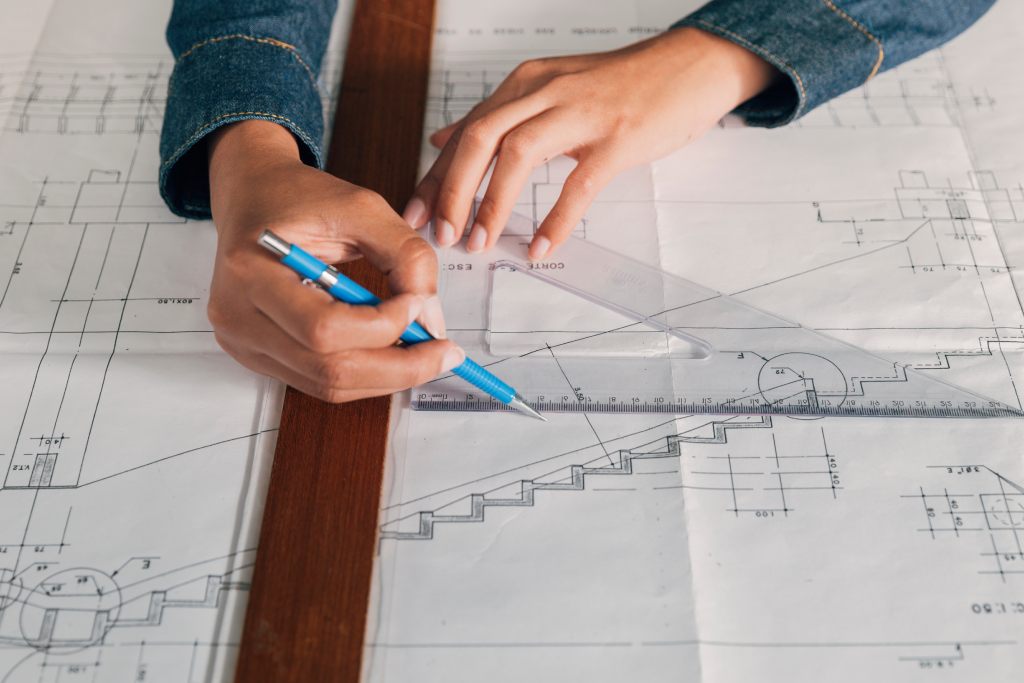
AWI standards for architectural millwork give architects, procurement teams, and manufacturers a shared quality framework. They clarify expectations for submittals, materials, fabrication, finishing, and installation, which reduces ambiguity and supports more reliable project outcomes.
Architects and procurement teams deal with millwork risk every day. One vague specification can trigger shop confusion, installation disputes, and expensive corrections.
That is why AWI standards for architectural millwork matter so much. They create a common language for quality, tolerances, performance, and documentation.
For global importers and procurement managers, that shared language becomes even more valuable. It helps align design intent with manufacturing output across different vendors and delivery chains.
This cheat sheet simplifies the essentials. It is built for decision-makers who need fast clarity without losing technical credibility.
What AWI Standards for Architectural Millwork Actually Cover
At the highest level, AWI standards for architectural millwork define best practices for specification, materials, fabrication, finishing, and installation. They exist to support consistency, workmanship quality, and performance.
The AWI guidance also supports multiple stakeholders. Architects, contractors, woodworkers, suppliers, installers, and drafters all benefit from one reference point.
That matters because millwork quality is rarely judged on looks alone. Fit, structural integrity, finish performance, moisture control, and documentation all affect the final result.
The referral resource explains this clearly. The current standards focus on structural integrity and aesthetic performance, rather than only prescribing rigid methods.
In practical terms, the standards help teams answer questions such as:
- What should be submitted before fabrication begins?
- Which material rules apply to this assembly?
- What finish quality is acceptable?
- How should components be stored and installed?
- Which tolerances define acceptable workmanship?
Why Architects and Procurement Teams Use AWI Standards
The value of AWI standards for architectural millwork is not academic. They reduce uncertainty in real procurement and construction workflows.
Architects use them to write clearer specifications. Procurement teams use them to compare vendors against a recognized quality benchmark. This improves communication across the supply chain. It also lowers the chance that one party will interpret "custom quality" very differently from another.
For global sourcing teams, this structure is essential. Without a shared standard, visual expectations and construction methods can drift between factories and field teams.
Here are the most practical benefits:
- Clearer specifications and submittals.
- Better alignment between design and fabrication.
- More consistent finish and fit expectations.
- Fewer disputes about tolerances and defects.
- Stronger accountability during inspection and installation.
The Core AWI Standards Architects Should Know
A full technical review can get dense fast. For day-to-day project work, this short list makes AWI standards for architectural millwork easier to navigate.
| Standard | Main Focus | Why It Matters |
|---|---|---|
| AWI 100 | Submittals | Sets expectations for drawings, product data, samples, approvals, and scheduling |
| AWI 200 | Care and storage | Defines environmental controls, handling, and acclimation requirements |
| AWI 300 | Materials | Guides wood species, cores, veneers, laminates, and related materials |
| ANSI/AWI 0400 | Factory finishing | Covers finish prep, finishing systems, and acceptable defects |
| ANSI/AWI 0620 | Installation | Provides installation guidance and tolerances across applications |
| ANSI/AWI 0641 | Architectural wood casework | Covers custom wood casework dimensions, tolerances, and performance |
| ANSI/AWI 0642 | Wall surfacing | Addresses wall and ceiling paneling systems and matching expectations |
| ANSI/AWI 0622.0646 | Interior and exterior millwork | Defines performance and visual benchmarks for trim and related assemblies |
| ANSI/AWI 1232 | Manufactured wood casework | Relevant when catalog-based casework is specified |
| ANSI/AWI 1235 | Specialty casework | Useful for commercial, institutional, and healthcare casework |
| ANSI/AWI 1236 | Countertops | Covers dimensions, materials, and acceptable performance |
This is not every possible document, but it is enough to improve most specifications. Teams that know which standard governs which assembly make fewer costly assumptions.
AWI 100: Start With Better Submittals
If one section deserves more attention, it is AWI 100. Good submittals are the backbone of predictable millwork delivery.
AWI standards for architectural millwork begin with documentation because poor inputs create poor outcomes. Shop drawings, samples, approval workflows, and schedules must be coordinated before fabrication starts.
Architects should look for submittals that show:
- Dimensions and critical relationships.
- Material callouts and panel construction.
- Finish intent and sheen assumptions.
- Hardware locations and clearances.
- Interface points with walls, floors, equipment, or lighting.
This section matters for procurement, too. If bids are based on vague submittal expectations, comparisons become unreliable.
AWI 200 and AWI 300: Moisture and Materials Matter
Many failures blamed on workmanship actually start with the environment or materials. That is why AWI standards for architectural millwork devote serious attention to both topics.
AWI 200 addresses care, storage, delivery, and handling. It also explains humidity control, acclimation, protection, and stakeholder responsibility.
This is critical for imported and cross-climate projects. Components can leave one environment stable and arrive at another site under very different moisture conditions.
AWI 300 focuses on material selection. It covers lumber, veneers, panel cores, sheet goods, laminates, and related materials that shape both appearance and structural performance.
Architects should avoid vague notes such as "wood veneer as selected." Procurement teams need enough detail to source the right core, surface, backer, and finish system without guesswork.
Finishes, Tolerances, and Visible Quality
One reason teams rely on AWI standards for architectural millwork is that finish quality is easy to debate after installation. What looks acceptable to one party may read as defective to another.
ANSI/AWI 0400 gives a more disciplined framework. It addresses sanding, preparation, staining, priming, sealing, and finish technologies, along with acceptable defect criteria by grade.
That reduces ambiguity during review. Instead of arguing in general terms, teams can refer back to recognized finish expectations.
Tolerances matter just as much. Standards such as ANSI/AWI 0622.0646, ANSI/AWI 0641, ANSI/AWI 0642, and ANSI/AWI 1236 help define fit, alignment, and performance for specific assemblies.
For architects, the lesson is simple: do not separate beauty from buildability. The finish schedule and tolerance expectations should be coordinated at the specification stage.
Installation Is Part of Quality, Not an Afterthought
Even the best fabrication can fail in the field. That is why AWI standards for architectural millwork include installation guidance as a core quality issue.
ANSI/AWI 0620 consolidates installation requirements across multiple applications. It covers casework, wall and ceiling surfaces, trim, doors, countertops, and related finish carpentry.
This matters because many defects are really installation conflicts. Poor anchoring, uneven substrates, moisture exposure, or rushed sequencing can undermine otherwise sound fabrication.
Procurement managers should review installation assumptions before awarding. If the vendor, GC, and site team are not aligned, the standards alone cannot rescue the outcome.
How to Write Better Specs Using AWI Standards
To get the most value from AWI standards for architectural millwork, teams must translate them into clear project documents. A standard is only useful when the specification tells bidders exactly how to apply it.
Use this simple checklist when drafting or reviewing millwork specs:
- Identify the governing AWI standard for each assembly type.
- Define grade, finish expectations, and exposed surface categories.
- Clarify approved materials, cores, veneers, and laminate types.
- State submittal requirements and approval milestones.
- Note environmental and site readiness conditions.
- Coordinate installation responsibilities and sequencing.
- Flag mockups, samples, or quality checkpoints where needed.
This checklist is especially helpful for procurement teams handling multiple vendors. It makes comparisons more consistent and reduces the risk of scope gaps.
Common Mistakes in AWI-Based Specifications
Many teams reference AWI standards for architectural millwork, but still leave dangerous gaps. The issue is usually not the standard itself. It is an incomplete project language.
Common mistakes include:
- Referencing AWI without naming the relevant section.
- Omitting grade or finish requirements.
- Failing to distinguish exposed, semi-exposed, and concealed surfaces.
- Leaving material substitutions too open.
- Ignoring storage and acclimation requirements.
- Treating installation as someone else's problem.
These gaps create friction during submittals and inspections. They also make it harder to hold vendors accountable fairly.
Why Einstein Millworks Supports Standards-Driven Projects
Einstein Millworks is well aligned with standards-driven commercial work because the company's service profile includes architectural millwork, commercial millwork, custom cabinetry, fixtures, and installation awareness. That blend supports the coordination that architects and procurement teams need.
Standards become useful when they are matched by practical execution. A capable millwork partner can help interpret specifications, flag constructability issues, and keep quality expectations grounded in real fabrication logic.
That is especially important on commercial interiors where finish quality, schedule pressure, and installation sequencing must work together. Better coordination usually means fewer surprises in the field.
Einstein Millworks: Turn AWI Clarity Into Better Results
The real power of AWI standards for architectural millwork is clarity. They help architects specify better, procurement teams compare better, and fabricators deliver with less ambiguity.
Einstein Millworks supports that kind of disciplined project environment. When standards, documentation, fabrication, and installation all align, the finished work performs better and protects the client's investment.
Need help applying AWI standards for architectural millwork to your next project? Connect with Einstein Millworks.
FAQs
1. What are AWI standards for architectural millwork in simple terms?
They are industry standards that help define expectations for millwork materials, submittals, fabrication, finishing, installation, and quality, so project teams can work from one benchmark.
2. Why do architects reference AWI standards in specifications?
Architects use them to reduce ambiguity, improve vendor alignment, support better submittals, and define measurable quality expectations for casework, trim, paneling, finishes, and installation.
3. Do AWI standards apply only to custom wood casework?
No, they cover a wider range of interior architectural woodwork, including submittals, materials, finishing, installation, trim, wall surfacing, countertops, specialty casework, and more.
4. How do AWI standards help procurement managers?
They create a recognized framework for comparing bids, reviewing quality expectations, checking submittals, and reducing disputes between design intent, manufacturing output, and field installation.
5. What is the most important AWI section to review first?
Many teams start with AWI 100 because strong submittals, approvals, and project documentation create the foundation for better fabrication, coordination, and installation outcomes.