Resources
Blog
Insights, updates, and expertise from the Einstein Millworks team.
Custom Cabinets in San Antonio: Styles and Trends
July 6, 2026
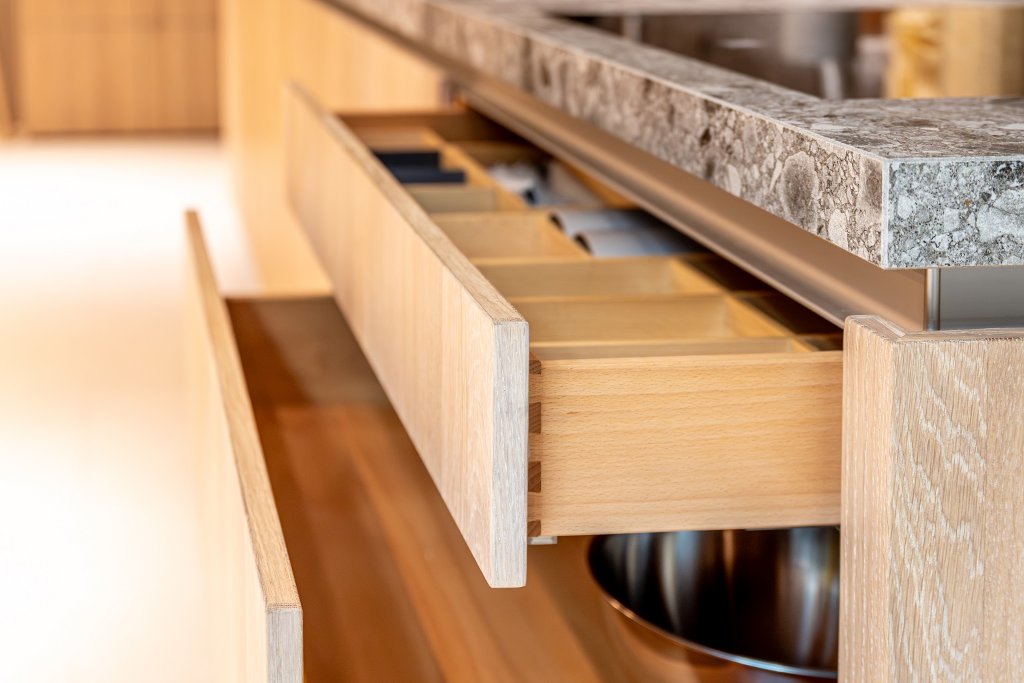
For hotels, restaurants, multifamily properties, and upscale homes, custom cabinets in San Antonio offer a better fit, longer service life, and stronger brand alignment than stock options. The right project depends on cabinet style, wood species, finish durability, workflow needs, and a millwork partner that understands local design preferences and installation realities.
San Antonio buyers are leaning toward warm natural finishes, cleaner door profiles, hidden storage, durable painted surfaces, and cabinetry that balances visual appeal with heavy daily use. For hospitality and commercial decision-makers, the best results are achieved by pairing design intent with fabrication quality, field coordination, and long-term performance planning.
Why Custom Cabinets Matter in San Antonio
Choosing custom cabinets in San Antonio is about more than aesthetics. Buyers in hospitality, food service, and residential renovation need cabinetry that fits the space, supports the brand, and performs under real conditions.
Stock cabinets can work in simple layouts. They become limiting when a property needs unusual dimensions, integrated appliances, branded interiors, premium finishes, or higher durability.
That is why many owners and project teams invest in custom cabinets in San Antonio for boutique hotels, restaurant bars, luxury rentals, club lounges, and custom homes. Tailored cabinets help maximize every inch while maintaining a polished and intentional look.
What Buyers Expect From Custom Cabinets in San Antonio
The strongest cabinet projects usually solve functional problems first. Design comes next, but it should never fight the workflow.
For hospitality buyers, custom cabinets in San Antonio often need to support:
- Back bar storage and display.
- Reception and concierge millwork.
- Built-in banquettes and service stations.
- Guest suite kitchenettes and wardrobes.
- Durable vanities for luxury bathrooms.
- High-traffic common area storage.
For homeowners and developers, the priorities are slightly different. They often focus on storage efficiency, material quality, finish consistency, hardware upgrades, and resale appeal.
Popular Styles for Custom Cabinets in San Antonio
San Antonio blends traditional Texas character with newer urban design influences. That creates a broad market for several cabinet styles.
Shaker Cabinets
Shaker remains one of the most requested options for custom cabinets in San Antonio. The lines are simple, versatile, and easy to adapt across classic, transitional, and modern interiors.
Shaker doors work well in hotels, rental properties, and homes because they feel current without looking trendy. They also pair smoothly with wood tones, painted finishes, metal pulls, and stone countertops.
Slim Shaker and Transitional Profiles
Slim shaker profiles are growing in appeal. They offer a cleaner, more refined frame and suit clients who want warmth without the ornament of more traditional cabinetry.
This option fits many custom cabinets in San Antonio projects because it bridges old and new. Designers can use it in upscale residences, boutique hospitality spaces, and modern restaurant interiors.
Flat Panel Cabinets
Flat-panel cabinets are popular for contemporary spaces. They create a clean surface and support a minimalist look.
In a commercial setting, flat panels can help a space feel crisp and architectural. In homes, they are often selected for sleek kitchens, media walls, and secondary spaces like laundry rooms or office built-ins.
Raised Panel and Traditional Styles
Traditional cabinet profiles still have a place in San Antonio. Higher-end homes, clubs, and heritage-inspired spaces often prefer deeper detailing and richer wood character.
When specified well, traditional custom cabinets in San Antonio can feel elegant rather than heavy. The key is balancing detail with updated finishes, lighting, and hardware.
Wood Species That Work Well in San Antonio
Wood choice affects appearance, cost, durability, and finishing flexibility. It should match both the project design and the expected wear level.
| Wood Species | Best For | Main Advantage | Consideration |
|---|---|---|---|
| Maple | Painted cabinets, modern projects | Smooth grain, durable surface | Less visible grain character |
| White Oak | Luxury homes, boutique hospitality | Warm texture, premium look | Higher cost than entry options |
| Walnut | Feature areas, bars, statement spaces | Rich tone and high-end appeal | Premium pricing |
| Cherry | Traditional interiors | Classic depth and aging character | Darkens over time |
| Alder | Rustic and transitional spaces | Softer, warm appearance | Dents more easily than harder woods |
| Birch | Budget-conscious custom work | Good value and paint performance | Less premium visual identity |
Maple
Maple is a strong choice for painted custom cabinets in San Antonio. It has a smooth face, holds finishes well, and performs reliably in high-use environments.
This makes it a common option for hospitality vanities, service cabinetry, and kitchens where durability matters as much as appearance.
White Oak
White oak is one of the strongest design-forward choices in the market right now. It brings visible grain, warmth, and a premium natural finish.
For custom cabinets in San Antonio, white oak works especially well in upscale residential kitchens, hotel suites, lounges, and modern retail interiors. It feels sophisticated without becoming cold.
Walnut
Walnut brings depth and prestige. It is often used more selectively because of cost, but it can transform a bar, feature wall, or executive space.
Buyers choosing custom cabinets in San Antonio often use walnut in focal areas rather than throughout the entire property. That keeps the budget controlled while preserving a luxury feel.
Alder and Cherry
Alder and cherry appeal to buyers who prefer traditional warmth. They are a fit for classic interiors, club environments, and projects seeking a more established Texas character.
These woods can be excellent choices when the design intent is rich, inviting, and layered. The finish schedule matters greatly because stain color changes the final tone significantly.
Local Design Trends Shaping San Antonio Cabinet Projects
Local preference matters because cabinetry does not live in isolation. It has to match the architecture, climate, and the way people use the space.
Warm Natural Finishes
One major trend in custom cabinets in San Antonio is the shift toward warmer wood tones. White kitchens still exist, but many buyers want natural texture and a more grounded palette.
White oak, mid-tone stains, and matte finishes are helping spaces feel timeless. This direction suits both hospitality environments and homes that want warmth without visual clutter.
Two-Tone Cabinetry
Two-tone compositions remain popular. Designers often combine painted perimeter cabinets with a wood island or feature cabinet wall.
This approach helps large spaces feel layered. It also lets buyers introduce warmth and contrast without committing every cabinet surface to the same finish.
Hidden Storage and Better Function
Many clients now want cabinetry that hides clutter. Appliance garages, pull-out organizers, tray dividers, waste pull-outs, and integrated charging are becoming standard requests.
That shift is especially relevant for custom cabinets in San Antonio because buyers expect premium function from premium fabrication. Good storage planning improves daily use more than any decorative detail.
Hardware That Feels Refined
Hardware trends are moving toward fewer but stronger decisions. Matte black, aged brass, and brushed nickel remain safe options, while oversized pulls and minimal profiles continue to gain traction.
In high-end hospitality projects, hardware also needs to withstand repeated contact. Style matters, but durability matters more.
How Hospitality Buyers Should Evaluate Cabinet Projects
Hospitality buyers need a more disciplined review process than residential buyers. The cabinet package has to support operations, housekeeping, maintenance, guest perception, and long-term property value.
When reviewing custom cabinets in San Antonio, decision-makers should assess:
- Finish resistance in humid or high-cleaning environments.
- Edge detailing and wear points.
- Hardware cycle durability.
- Ease of maintenance and touch-up.
- Integration with lighting, stone, plumbing, and appliances.
- Installation sequencing with other trades.
A beautiful rendering is not enough. The real question is how the cabinet package performs after thousands of uses.
Questions to Ask Before Choosing a Cabinet Partner
The right vendor can prevent delays, change orders, and performance issues. The wrong one can create expensive rework.
Before approving custom cabinets in San Antonio, ask these questions:
- What materials and hardware are standard, and what is optional?
- Can the company build for hospitality-grade use and not just homes?
- How are measurements, shop drawings, and approvals managed?
- What is the production lead time?
- Who handles installation and punch corrections?
- Can finished samples be reviewed in actual site lighting?
These questions help buyers compare more than price. They reveal process quality, accountability, and project readiness.
Budget Drivers for Custom Cabinets in San Antonio
Cabinet pricing is rarely based on square footage alone. Buyers should understand what actually moves cost:
- Wood species and grade.
- Door style and profile complexity.
- Painted versus stained finish systems.
- Drawer box quality and hardware brand.
- Interior accessories and pull-outs.
- Site conditions and installation complexity.
- Custom sizing, integrated appliances, and specialty components.
Value engineering can help, but it should not damage the design intent. Often, selective upgrades in focal areas create a better result than cutting quality across the whole project.
Why Coordination Matters as Much as Craftsmanship
Even excellent cabinets can fail in a poorly coordinated project. Field dimensions, wall conditions, appliance specifications, lighting, and plumbing rough-ins all influence fit and finish.
That is why successful custom cabinets in San Antonio projects depend on communication between designers, fabricators, site teams, and installers. The smoother the coordination, the cleaner the final result.
Einstein Millworks: Built for Precision and Performance
Einstein Millworks brings a practical advantage to cabinet and millwork projects: custom fabrication, commercial capability, and installation-minded execution. For buyers who need quality without guesswork, that combination matters.
From upscale hospitality spaces to detailed residential interiors, Einstein Millworks supports projects with thoughtful fabrication, durable materials, and a process built around real-world fit. For teams evaluating custom cabinets in San Antonio, that means stronger alignment between design intent and finished delivery.
FAQs
1. What are custom cabinets, and how are they different from stock cabinets?
Custom cabinets are built to project-specific dimensions, finishes, and functions. Stock cabinets come in preset sizes and offer less flexibility for design, fit, and workflow.
2. Which wood species is best for painted cabinets?
Maple is often preferred for painted cabinets because its surface is smooth and durable. It produces a cleaner painted look than many open-grain wood species.
3. Are custom cabinets worth it for hospitality spaces?
Yes, when the project needs durability, brand alignment, and efficient space planning. Custom cabinetry can improve guest perception while supporting daily operations and maintenance.
4. What cabinet style is most popular in San Antonio right now?
Shaker and slim shaker styles are very popular because they balance timeless appeal with modern simplicity. They fit both upscale homes and hospitality interiors.
5. How long does a custom cabinet project usually take?
Timelines vary by scope, approvals, materials, and installation complexity. Many projects require several weeks for design, production, finishing, and final field installation.