Resources
Blog
Insights, updates, and expertise from the Einstein Millworks team.
San Antonio Custom Woodworking: Beating Texas Heat
August 27, 2026
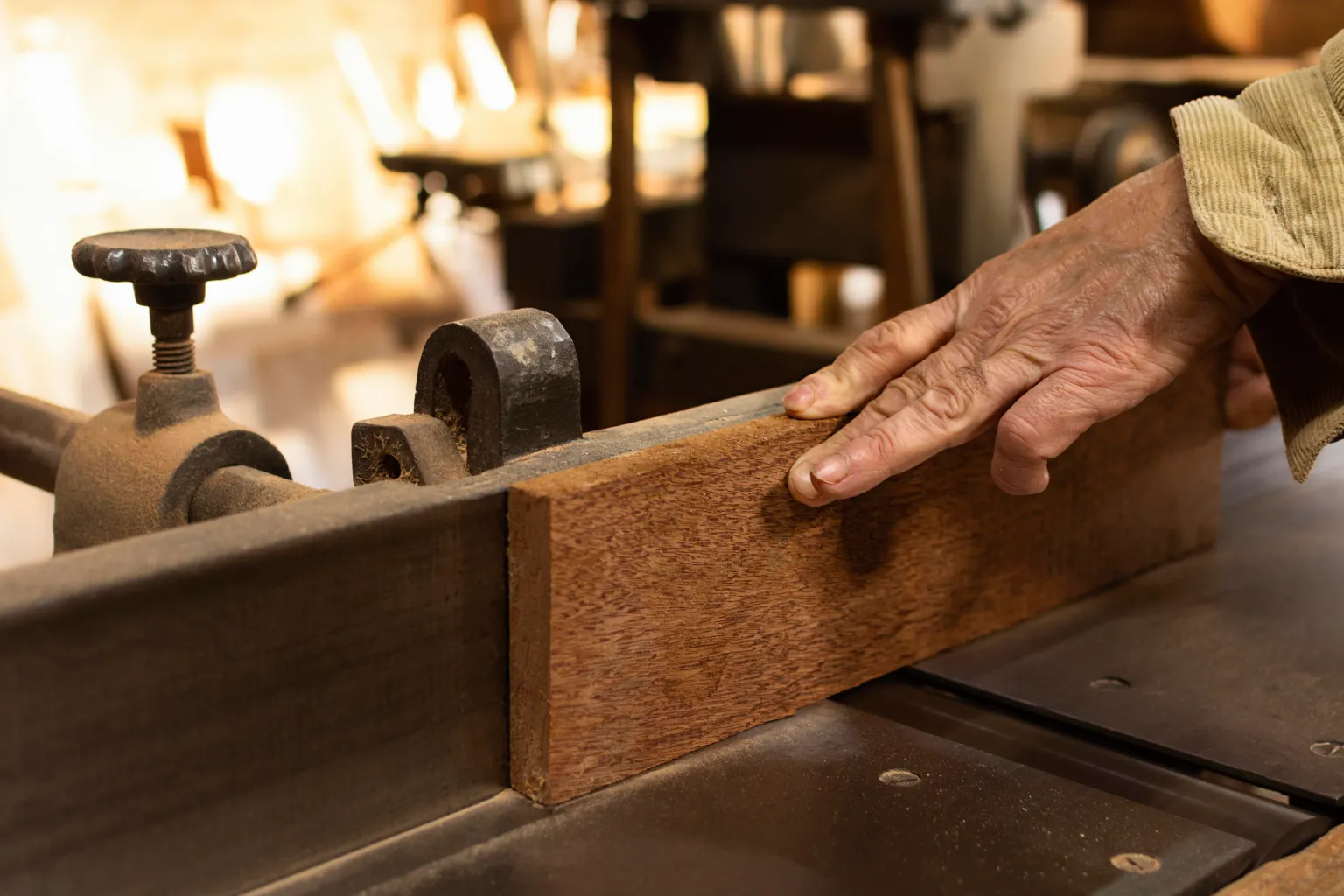
San Antonio's heat, humidity, and swinging HVAC cycles put constant stress on commercial wood surfaces. Custom woodworking San Antonio projects need moisture-resistant hardwoods, engineered substrates, and finishes rated for UV and humidity swings.
South Texas weather does not go easy on wood. One week brings triple-digit heat, the next brings a rainstorm that spikes indoor humidity within hours. For hotel owners, restaurant groups, and property managers investing in built-in cabinetry, reception desks, or paneling, this climate volatility is not a minor detail. It is the single biggest factor separating millwork that lasts a decade from millwork that warps, cracks, or delaminates within two years.
Custom woodworking San Antonio projects have to be engineered for this reality from day one. Generic, mass-produced cabinetry rarely accounts for the specific combination of heat, humidity, and HVAC cycling found in Central Texas commercial buildings.
This blog walks through the science of wood movement, the materials that actually perform here, and what hospitality buyers should ask before signing off on a millwork package.
Why the South Texas Climate Is Tough On Commercial Wood
San Antonio sits in a humid subtropical zone. Summers regularly bring high humidity alongside intense heat, while winters bring drier, cooler air. That seasonal swing means wood inside a building is constantly absorbing and releasing moisture.
Wood is hygroscopic. It takes in moisture from the air and releases it as conditions change. When humidity rises, wood fibers expand. When the air dries out, those same fibers contract. This natural cycle is called wood movement, and it happens whether or not a building has a good HVAC system.
Commercial spaces add another layer of stress. Hotel lobbies, restaurant dining rooms, and retail showrooms often cycle HVAC settings throughout the day, cooling aggressively during business hours and easing off overnight. That rapid swing between cool, dry air and warm, humid air accelerates expansion and contraction far more than a stable residential environment would.
For custom woodworking San Antonio teams, this means every material decision has to account for movement, not just appearance. A beautiful reception desk that cracks along its seams within eighteen months is not a design win. It is a costly callback, and it damages a hospitality brand's first impression with guests.
Understanding Wood Movement In Commercial Builds
Wood movement is not random. It follows predictable patterns based on grain direction, species, and moisture content at the time of installation.
- Tangential movement, across the grain, is the most significant and causes the widest boards to shift the most.
- Radial movement, through the growth rings, is roughly half of tangential movement.
- Longitudinal movement, along the length of a board, is minimal and rarely a concern.
Boards that are not properly kiln-dried before fabrication carry excess moisture into a job site. Once installed in a conditioned commercial space, that moisture leaves the wood and the piece shrinks, sometimes unevenly. This is why acclimation matters just as much as species selection when planning custom woodworking San Antonio installations.
A skilled shop dries lumber to a moisture content that matches the expected indoor environment, typically between six and eight percent for interior commercial applications. Skipping this step is one of the most common causes of warped panels and gapped seams in hospitality builds across Central Texas.
Materials That Perform In Humid, Hot Environments
Not every hardwood handles Texas conditions equally well. Some species are naturally more dimensionally stable, while others need engineered backing to hold their shape through seasonal swings.
| Material | Role | Why It Performs In South Texas |
|---|---|---|
| White Oak | Hardwood species | Naturally dimensionally stable and outperforms softer woods in humid, high-traffic commercial environments |
| Engineered Plywood Cores | Substrate | Cross-laminated veneers cancel out much of the movement across the grain, making them more reliable than solid wood for large cabinet runs and long spans |
| Conversion Varnish / Catalyzed Lacquer | Finish | Creates a moisture barrier that slows how quickly humidity reaches the wood fibers |
| UV-Stable Topcoats | Topcoat | Prevent the yellowing and brittleness that come from sun exposure through large hospitality windows and skylights |
Engineered substrates deserve special attention in any custom woodworking San Antonio scope. Plywood cores built from cross-laminated veneers resist the expansion and contraction that solid lumber experiences because the alternating grain direction in each layer cancels out much of the movement. For large cabinet runs or long countertop spans, engineered cores are often the more reliable choice over solid wood.
Finish selection matters just as much as the substrate underneath it. A commercial-grade conversion varnish or catalyzed lacquer creates a moisture barrier that slows how quickly humidity reaches the wood fibers. UV-stable topcoats also prevent the yellowing and brittleness that come from sun exposure through large hospitality windows and skylights.
HVAC Fluctuations And What They Mean For Millwork
Commercial HVAC systems rarely hold a single, steady humidity level around the clock. Setback schedules, occupancy sensors, and energy-saving modes all cause humidity to drift during off-hours, especially in restaurants and hotels with irregular operating windows.
This drift matters more in spaces with large expanses of millwork, like hotel lobbies, restaurant bar backs, or open-plan office reception areas. The more surface area exposed to fluctuating air, the more opportunity for movement-related issues to show up down the line.
A few practical steps reduce this risk during a custom woodworking San Antonio project:
- Specify relative humidity targets with the HVAC contractor before fabrication begins.
- Allow wood components to acclimate on-site for several days before installation.
- Use breathable, high-quality finishes rather than thick plastic-like coatings that trap moisture.
- Build in slight expansion gaps at panel seams and behind fixed trim.
None of these steps is complicated, but skipping them is exactly how expensive millwork ends up needing repairs within the first year of use. Experienced fabricators build these considerations into every quote from the start.
Choosing The Right Partner For Climate-Ready Millwork
Hospitality buyers evaluating a millwork partner should ask pointed questions about material sourcing, drying processes, and finish specifications. A shop that cannot explain its moisture content targets or substrate choices is a shop that has not thought through South Texas conditions.
Look for a partner who can show completed commercial projects in similar climates, not just showroom photos. Ask how they handle acclimation timelines and whether they coordinate directly with HVAC and general contractor schedules. These details separate a decorative vendor from a genuine custom woodworking San Antonio fabrication partner who understands regional demands.
Coterie, a respected regional name, has written about how San Antonio's heat, humidity, and UV exposure demand moisture-resistant finishes and dimensionally stable materials for lasting commercial millwork. That perspective lines up closely with how Einstein Millworks approaches every project bid in this market, and it reflects an industry-wide consensus on what South Texas builds require.
Historic Buildings And Mixed-Use Projects
San Antonio's downtown core includes a significant number of historic buildings and adaptive reuse projects, many of which come with preservation guidelines that affect material choices. Hospitality operators renovating a heritage property often need millwork that honors original architectural character while still meeting modern performance standards.
This adds another layer of planning to custom woodworking San Antonio projects, since fabricators must balance visual authenticity with the practical need for moisture resistance. A shop experienced in mixed-use and historic renovation work will know how to source period-appropriate wood species while still specifying modern, climate-rated finishes underneath.
Cost Considerations For Climate-Rated Millwork
Climate-smart materials often carry a modest upfront premium compared to generic alternatives, but the long-term math favors quality. Replacing warped panels or refinishing cracked surfaces within a few years typically costs more than specifying the right materials the first time.
Hospitality buyers should think of custom woodworking San Antonio investments in terms of lifecycle cost, not just line-item price. A reception desk built with engineered substrates and commercial-grade finishes may cost slightly more at installation, but it avoids the disruption and expense of mid-lease repairs. For properties operating on tight renovation budgets, that difference matters over a ten-year hold.
Einstein Millworks: Built For South Texas Conditions
Einstein Millworks has spent years fabricating commercial cabinetry, architectural millwork, and store fixtures for clients across San Antonio, Austin, Houston, and Dallas. The shop's CNC manufacturing capability allows for precise, repeatable cuts that reduce the fitting issues common with hand-built alternatives.
Every project starts with a materials conversation, not a catalog page. The team specifies engineered substrates where spans are long, selects hardwood species based on the intended finish and traffic level, and coordinates acclimation schedules with general contractors to avoid the callbacks that come from rushed installs.
From grocery store remodels to hotel lobby fit-outs, Einstein Millworks brings the same climate-aware approach to every scope. Clients get custom woodworking San Antonio results that look sharp on opening day and still look sharp three summers later, backed by a team that understands what South Texas weather does to wood over time.
Why Einstein Millworks Is San Antonio's Climate-Smart Millwork Choice
Choosing the right materials for South Texas commercial builds is not about picking the prettiest wood grain. It is about understanding humidity cycles, HVAC behavior, and the science of wood movement before a single board gets cut.
Custom woodworking San Antonio projects that skip this step end up with warped panels, gapped seams, and unhappy clients. Projects built with climate-aware material choices, proper drying, and the right finishes hold their shape and their value for years.
Hospitality buyers who partner with a shop that treats South Texas conditions as a design input, not an afterthought, get millwork that performs as well as it looks. That is the standard Einstein Millworks builds to on every job, from concept through final installation.
Ready for custom woodworking, San Antonio? Contact Einstein Millworks today.
Frequently Asked Questions
1. What makes San Antonio's climate hard on commercial millwork?
High humidity, intense heat, and fluctuating HVAC cycles cause wood to expand and contract repeatedly, leading to warping, gaps, or cracked finishes over time.
2. Which wood species handle humidity best in Texas commercial builds?
White oak and properly sealed engineered substrates generally outperform softer woods, offering better dimensional stability in humid, high-traffic commercial environments.
3. How long should wood acclimate before installation?
Most commercial millwork benefits from several days of on-site acclimation, allowing panels to adjust to the building's actual humidity before final fitting.
4. Does the finish choice really affect wood movement?
Yes. Commercial-grade conversion varnish or catalyzed lacquer slows moisture absorption, reducing how much the wood expands and contracts with seasonal changes.
5. Why choose engineered substrates over solid wood for large panels?
Engineered plywood cores resist expansion better than solid lumber because their cross-laminated layers cancel out much of the natural movement across the grain.