Resources
Blog
Insights, updates, and expertise from the Einstein Millworks team.
Millwork Company in Austin: What Designers Should Know
July 6, 2026
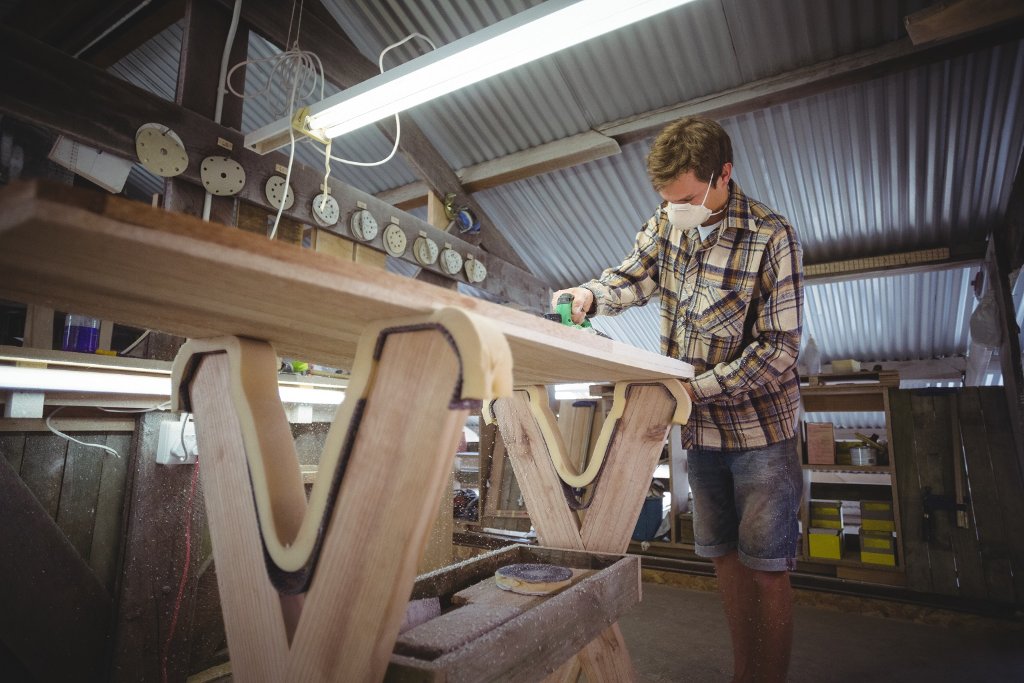
Choosing the right millwork company in Austin affects design quality, installation success, and long-term performance. Architects, interior designers, retail brands, and commercial buyers should evaluate fabrication quality, shop drawing discipline, finish consistency, field coordination, and the company's ability to translate design intent into buildable work.
Austin projects often demand a blend of clean modern detailing, warm materials, brand expression, and fast-moving execution. The best millwork partner is not just a fabricator; it is a technical collaborator that helps the project stay beautiful, functional, and buildable.
Why the Right Millwork Partner Matters
Millwork shapes how a space feels and functions. It influences first impressions, circulation, storage, acoustics, and even how people interact with a brand.
That is why selecting a millwork company in Austin deserves more than a pricing review. In commercial and design-led projects, millwork is often one of the most visible custom elements in the built environment.
For retail consumers, the concern may be cabinetry, built-ins, or statement details. For B2B buyers, the stakes are broader: schedule control, quality assurance, tenant requirements, and design fidelity.
What a Millwork Company in Austin Should Actually Do
Many buyers use the word millwork broadly. In practice, the scope can include far more than cabinets.
A strong millwork company in Austin may provide:
- Custom casework and cabinetry.
- Architectural wall panels and trim packages.
- Reception desks and concierge stations.
- Retail fixtures and branded display systems.
- Banquettes, shelving, and built-in seating.
- Bar fronts, host stands, and service stations.
- Fabrication support, delivery, and installation.
The most valuable partners also support shop drawings, engineering adjustments, finish samples, and coordination with field conditions.
Why Austin Design Teams Need More Than a Fabricator
Austin has a distinct design language. Many spaces combine warm woods, contemporary detailing, flexible layouts, and brand-driven visual identity.
Because of that, a millwork company in Austin must be able to read design intent clearly and execute it without flattening the concept. A shop that only builds from basic dimensions may struggle when the project demands detailing, rhythm, proportion, and finish sensitivity.
Architects and designers benefit most from partners who can review drawings critically, flag conflicts early, and offer practical alternatives without diluting the design.
Key Traits to Look For in a Millwork Company in Austin
Strong Shop Drawing Capabilities
Shop drawings are where design becomes buildable. If the drawing package is weak, the project is vulnerable.
A reliable millwork company in Austin should produce organized, accurate shop drawings with dimensions, sections, materials, finish references, and hardware details. Review quality here tells you a great deal about how the entire project will be managed.
Material and Finish Expertise
Material selection affects cost, durability, lead time, and visual quality. Designers need a partner who understands hardwoods, veneers, laminates, paint systems, edge details, and commercial wear expectations.
The best millwork company in Austin will explain where each material works best. That guidance helps teams avoid mismatches between aesthetic ambition and real-world use.
Commercial Awareness
Not every fabricator is ready for commercial work. Retail stores, hospitality projects, offices, and mixed-use environments come with tighter schedules and more coordination demands.
A capable millwork company in Austin should understand submittals, approvals, sequencing, punch processes, and site coordination. That experience reduces surprises during installation.
Installation Readiness
Beautiful fabrication can still fail in the field. Uneven walls, shifting site conditions, missing rough-ins, and sequencing conflicts can damage good work.
That is why every millwork company in Austin should be judged on installation planning as well as shop quality. Field success depends on measurements, communication, and accountability.
Questions Architects and Designers Should Ask
Before awarding a package, design teams should test both technical depth and project temperament. A good partner needs to be skilled, responsive, and realistic.
Ask a potential millwork company in Austin these questions:
- What project types are handled most often?
- Can examples be shown of retail, hospitality, or design-led work?
- How are shop drawing revisions managed?
- Which finishes and hardware systems are recommended for heavy use?
- Who performs site measurement and installation?
- How are damaged items, touch-ups, and punch corrections handled?
The answers will reveal whether the company is process-driven or simply trying to win the order.
Red Flags That Should Not Be Ignored
Some issues appear early if buyers know what to watch. These warning signs can save weeks of frustration later.
Be cautious if a millwork company in Austin:
- Provides vague proposals with limited scope detail.
- Cannot explain tolerances or finish systems.
- Avoids detailed drawing discussions.
- Has no clear installation plan.
- Promises unrealistic lead times.
- Shows inconsistent quality across samples or photos.
Price alone should not outweigh these concerns. Rework, delays, and poor fit can erase any upfront savings very quickly.
How Austin Trends Influence Millwork Decisions
Austin design preferences continue to favor modern forms with warmth. Projects often combine clean geometry with natural material texture.
For that reason, a millwork company in Austin should be comfortable delivering:
- White oak and warm wood tones.
- Matte and low-sheen finishes.
- Minimal hardware visibility.
- Integrated lighting details.
- Branded retail fixture systems.
- Flexible built-ins for mixed-use spaces.
These trends matter because execution quality is highly visible. When joints, reveals, and finish transitions are poorly handled, the entire design can feel cheaper.
Retail and Commercial Buyers: Performance Comes First
Retail brands and commercial owners often evaluate spaces through a consumer lens. They want a great look. They also need durability, consistency, and speed.
That means the right millwork company in Austin should support more than design vision. It should support repeatability, maintenance, and installation across active job sites.
This is especially important for chains, hospitality groups, and multi-unit operators. Standardization with room for localized identity can make a major difference to cost and brand experience.
Comparing Millwork Partners the Smart Way
This kind of comparison gives buyers a more reliable basis than a simple bid review. It also helps align the final choice with design risk, not just price.
The Value of Local Understanding
A local or regionally focused partner can often respond faster and coordinate more smoothly. They may also understand design expectations, labor logistics, and delivery realities better than distant vendors.
When evaluating a millwork company in Austin, local awareness can support better site coordination and quicker issue resolution. In fast-moving projects, that practical advantage matters a great deal.
Why Collaboration Wins Better Results
The best millwork outcomes come from early collaboration. When fabricators are involved before problems harden into field conflicts, details become smarter and easier to execute.
A proven millwork company in Austin should be able to work with architects, interior designers, general contractors, and ownership teams in a constructive way. Collaboration protects the design while improving buildability.
Einstein Millworks: A Practical Partner for Design-Led Projects
Einstein Millworks is positioned to support custom cabinetry, commercial millwork, store fixtures, and installation with a fabrication-first mindset. That makes the company relevant for architects, designers, and buyers who need more than a basic cabinet supplier.
For teams comparing a millwork company in Austin, Einstein Millworks brings value through custom capability, commercial awareness, and a strong connection between fabrication and field execution. The result is a smoother path from concept to installed product.
Design Better With Einstein Millworks
A millwork partner should strengthen the project, not complicate it. The right choice supports design clarity, schedule control, and lasting quality.
If you are searching for a millwork company in Austin, talk to Einstein Millworks and move forward with a team built for precision, coordination, and commercial-grade results.
FAQs
1. What does a millwork company usually handle on a project?
A millwork company may handle cabinetry, wall panels, counters, trim, retail fixtures, and built-ins. Some also manage shop drawings, delivery, installation, and punch corrections.
2. Why do architects care so much about shop drawings?
Shop drawings convert design intent into exact build instructions. They help prevent dimensional errors, finish confusion, and installation conflicts before fabrication begins.
3. Is local experience important when choosing a millwork company?
Yes, local knowledge can improve coordination, scheduling, and site response times. It also helps a partner understand regional design expectations and project logistics.
4. How can buyers compare millwork proposals fairly?
Compare scope clarity, material specifications, finish systems, lead times, installation coverage, and drawing support. A low number alone does not show true project value.
5. What industries benefit most from custom millwork?
Hospitality, retail, office, healthcare, and upscale residential projects all benefit. Custom millwork helps these spaces align function, durability, and visual identity.