Resources
Blog
Insights, updates, and expertise from the Einstein Millworks team.
Office Millwork Trends: Warmth, Tech & Fluted Accents
August 27, 2026
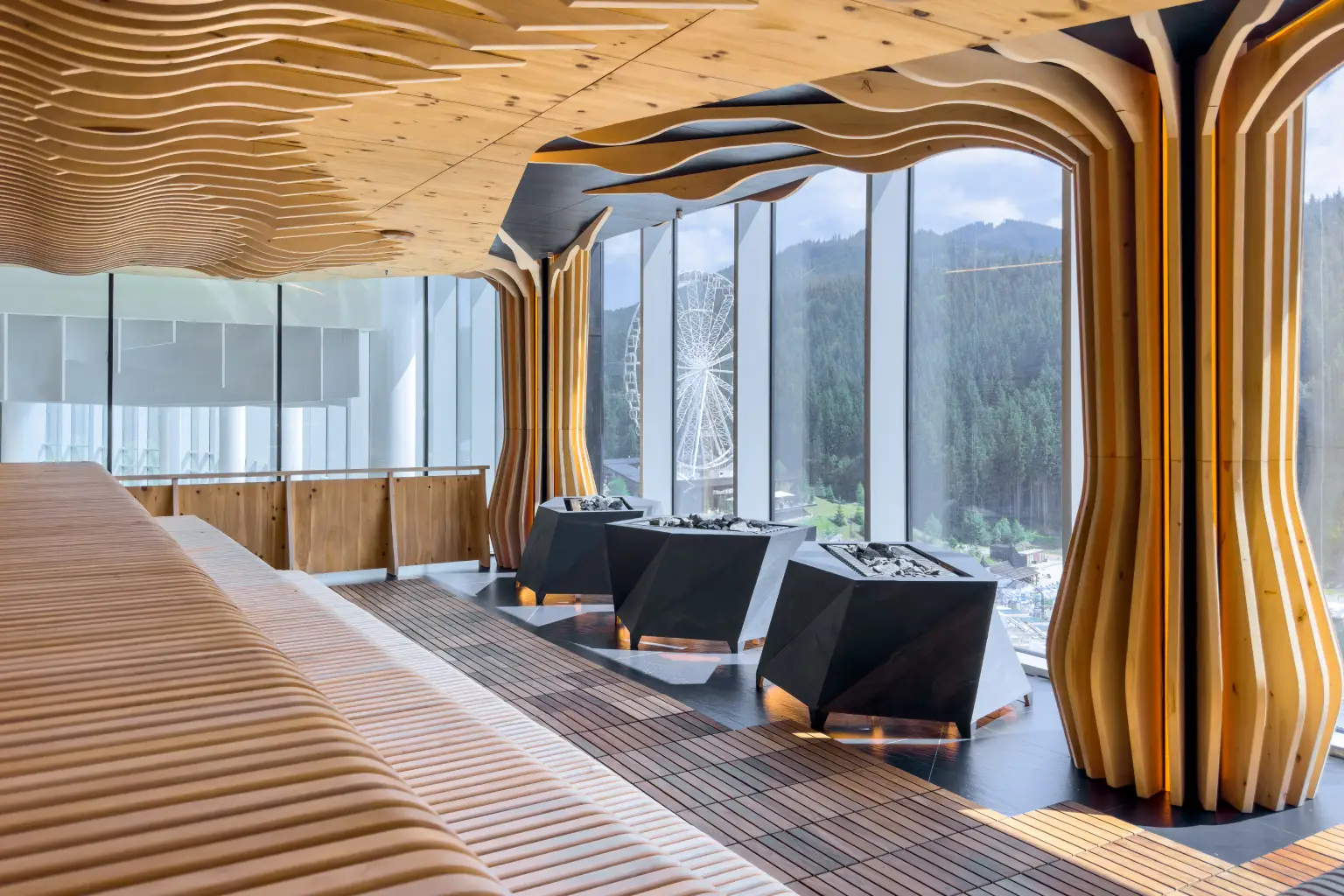
Modern offices are trading cold, corporate finishes for warm wood tones, seamless tech integration, and textured acoustic details. Office millwork trends for 2026 lean into walnut and white oak, hidden wire management, and fluted panel accents that soften open floor plans.
Walk into most newly renovated offices today, and the shift is obvious. Gray laminate and stark white surfaces are giving way to rich wood tones, softened edges, and details that feel more residential than institutional. This is not a cosmetic fad. It reflects a broader push to make workplaces feel more comfortable, more acoustically calm, and more capable of hiding the tangle of cables that modern technology requires.
Office millwork sits at the center of this shift. Reception desks, conference room paneling, and built-in storage are no longer just functional elements. They are design statements that shape how employees and visitors experience a company's space.
This blog breaks down the three trends driving office interiors this year: warm wood species, integrated technology, and fluted acoustic accents. We shall also see how Einstein Millworks brings these trends to life for San Antonio businesses.
| Trend | Key Elements | Why It Matters |
|---|---|---|
| Warm Wood Tones | Walnut accents, white oak paneling, linear grain patterns | Replaces sterile gray finishes with an inviting, residential-feel warmth |
| Integrated Technology | Routed cable channels, recessed power and USB, charging drawers, flip-up ports | Hides cable clutter while keeping devices accessible for maintenance and upgrades |
| Fluted Acoustic Accents | Fluted wood panels, acoustic panelling, ceiling baffles | Adds texture while absorbing sound in open floor plans and conference rooms |
Why Warm Tones Are Replacing Cold Corporate Finishes
For over a decade, office design leaned heavily on cool grays, glass, and brushed metal. That aesthetic photographed well, but often felt sterile in person. Companies are now prioritizing spaces that feel inviting to both employees and clients walking through the door.
Walnut has become a standout choice for office millwork projects. Its deep, chocolate-brown grain adds a sense of warmth and quiet luxury without feeling overly formal. Designers often use walnut sparingly, as an accent on a reception desk or conference table, letting its rich tone anchor a room without overwhelming it.
White oak follows closely behind in popularity. It's lighter, with a more neutral grain that pairs well with a wider range of color palettes, making it a flexible choice for offices that update their branding or furniture over time.
Linear wood grain patterns, inspired by natural textures, are also showing up on wall paneling and reception backdrops, adding depth without visual clutter.
Neutrals, greens, and the occasional bold black accent round out the current palette, but wood tones remain the anchor for most office millwork projects seeking a warm, grounded feel.
Integrated Technology Without The Visual Clutter
Modern offices run on cables. Monitors, docking stations, conference room displays, and charging stations all need power and data connections, and none of it looks good sitting exposed on a desk or credenza.
Hidden wire management has become a standard expectation rather than a premium upgrade. Well-designed office millwork now includes routed channels, false backs, and grommeted openings that keep cables out of sight while still allowing easy access for maintenance or upgrades.
Common integrated tech features in current builds include:
- Recessed power and USB outlets built directly into desk surfaces
- Cable channels routed through cabinet backs and legs
- Charging drawers with concealed wireless pads
- Flip-up or pop-up connectivity ports in conference tables
- Ventilated compartments for AV equipment and routers
These details matter because visible cables undercut the polished look that warm wood finishes are meant to create. A beautifully grained walnut conference table loses its impact if cables are draped across the surface during every meeting.
Thoughtful office millwork design solves this at the fabrication stage, not with an afterthought cable box.
Fluted Accents And Acoustic Panelling
Open floor plans solved one problem and created another. They improved sightlines and collaboration but often made offices noisier, with sound bouncing off hard surfaces and traveling across large open areas.
Fluted wood panels have emerged as a popular fix that also happens to look striking. The grooved, vertical-line texture of fluted millwork adds visual interest to walls, reception desks, and room dividers while offering a subtle acoustic benefit when paired with sound-dampening backing material.
Acoustic panelling takes this further. Fabric-wrapped or perforated wood panels absorb sound rather than reflecting it, reducing the echo and noise fatigue common in large, open offices. When integrated into office millwork, these panels can double as design features rather than looking like an obvious retrofit.
Popular applications for fluted and acoustic millwork include:
- Reception area feature walls that double as sound buffers
- Conference room paneling that reduces echo during video calls
- Phone booth and focus room interiors
- Room dividers that separate zones without full walls
- Ceiling baffles finished to match surrounding wood tones
The combination of texture, warmth, and function is what makes fluted accents such a strong fit for current office millwork trends. They solve a real acoustic problem while reinforcing the warm, natural aesthetic driving the rest of the space.
How These Trends Work Together
None of these three trends exists in isolation. A well-designed office pairs warm wood tones with hidden tech integration and acoustic detailing so the space feels cohesive rather than assembled from separate decisions.
A conference room might use white oak paneling with fluted acoustic backing, a table with recessed power built into a walnut top, and cable channels routed invisibly through the base. The result is a room that looks calm and considered while quietly solving the practical problems of modern meetings.
This is where a strong fabrication partner matters. Stevenswood, a respected voice in interior finishes, has highlighted how linear wood grains, walnut tones, and neutral palettes are shaping current office color trends, a perspective that aligns closely with what we see driving demand in commercial office millwork today.
Common Mistakes To Avoid
Even well-intentioned office renovations run into avoidable pitfalls. Rushing material selection without testing samples under actual office lighting often leads to disappointing results once furniture arrives.
Skipping coordination between the millwork fabricator and IT or AV teams is another frequent misstep. When cable routing gets finalized after office millwork is already built, the fix usually involves visible surface-mounted raceways that undercut the clean look the project was meant to achieve. Planning tech requirements alongside design from the start avoids this entirely.
Overloading a single space with too many competing wood tones can also work against the calm, cohesive feel most companies want. A disciplined palette, typically one primary wood species paired with a neutral or accent color, tends to age better than mixing several finishes across one open floor plan.
Planning Your Office Millwork Project
Businesses considering an office renovation should start by identifying which spaces get the most visibility and use. Reception areas and conference rooms typically deserve the highest material investment, since they shape first impressions for clients and candidates.
From there, it helps to map out technology needs before finalizing design details. Knowing how many devices need charging, where AV equipment will live, and how many people typically use a space informs smarter office millwork decisions than picking finishes first and retrofitting function later.
Budget also plays a role in sequencing a project. Phasing renovations, starting with reception and one key conference room before expanding to open work areas, lets companies test material choices before committing to a full buildout.
Sustainability And Sourcing Considerations
Many businesses now factor sustainability into their office millwork decisions, favoring FSC-certified hardwoods and low-VOC finishes that support healthier indoor air quality. This shift matters for companies pursuing LEED certification or simply aiming to reduce their environmental footprint through renovation choices.
Sourcing locally grown or regionally milled wood also reduces transportation emissions and often shortens lead times for office millwork fabrication. Buyers should ask potential fabricators about their supply chain and finish chemistry before finalizing a design package.
Einstein Millworks: Bringing Office Trends To Life
Einstein Millworks fabricates commercial millwork across San Antonio, Austin, Houston, and Dallas, working directly with businesses and design teams to translate these trends into functional, durable builds. The shop's CNC manufacturing capability allows for the precise, repeatable cuts that fluted panelling and integrated tech features require.
From reception desks with hidden charging drawers to acoustic wall paneling finished in warm walnut tones, the team approaches every office millwork project with both form and function in mind. Coordination with electricians and AV installers happens early, so wire management is built in rather than bolted on after the fact.
Whether a client needs a full office buildout or a single statement conference table, Einstein Millworks brings the same craftsmanship and attention to detail found across its architectural millwork and custom cabinetry work.
Warm, Connected, And Quiet: Einstein Millworks Leads Office Design
The office interiors gaining attention this year share a common thread: they feel warm, they hide their technology, and they manage sound thoughtfully. Walnut and white oak tones, seamless wire management, and fluted acoustic panels are not separate trends. They are pieces of a single, more comfortable approach to workplace design.
Office millwork built around these principles does more than look current. It solves real problems around noise, clutter, and first impressions that matter to both employees and clients. Companies that invest in these details now are building spaces that will still feel relevant several years from now, not spaces that need another overhaul in eighteen months.
Ready to upgrade your space with modern office millwork? Contact Einstein Millworks today.
Frequently Asked Questions
1. What wood species are trending in office millwork right now?
Walnut and white oak lead current trends, offering warm, natural tones that soften modern office interiors while pairing well with varied color palettes.
2. How does hidden wire management work in custom millwork?
Cabinets and desks include routed cable channels, grommeted openings, and recessed outlets, keeping cords out of sight while remaining accessible for maintenance.
3. Do fluted panels actually help with office noise?
Yes, when paired with sound-dampening backing material, fluted panels help absorb and diffuse sound, reducing echo in open office layouts.
4. Is walnut or white oak better for a small office?
White oak's lighter tone often works better in smaller spaces, while walnut suits larger areas where its deeper color has room to stand out.
5. How long does a typical office millwork project take?
Timelines vary by scope, but most commercial office millwork projects run several weeks from final design approval through fabrication and installation.