Resources
Blog
Insights, updates, and expertise from the Einstein Millworks team.
What Is CNC Millwork? Precision Meets Custom Woodworking
August 28, 2026
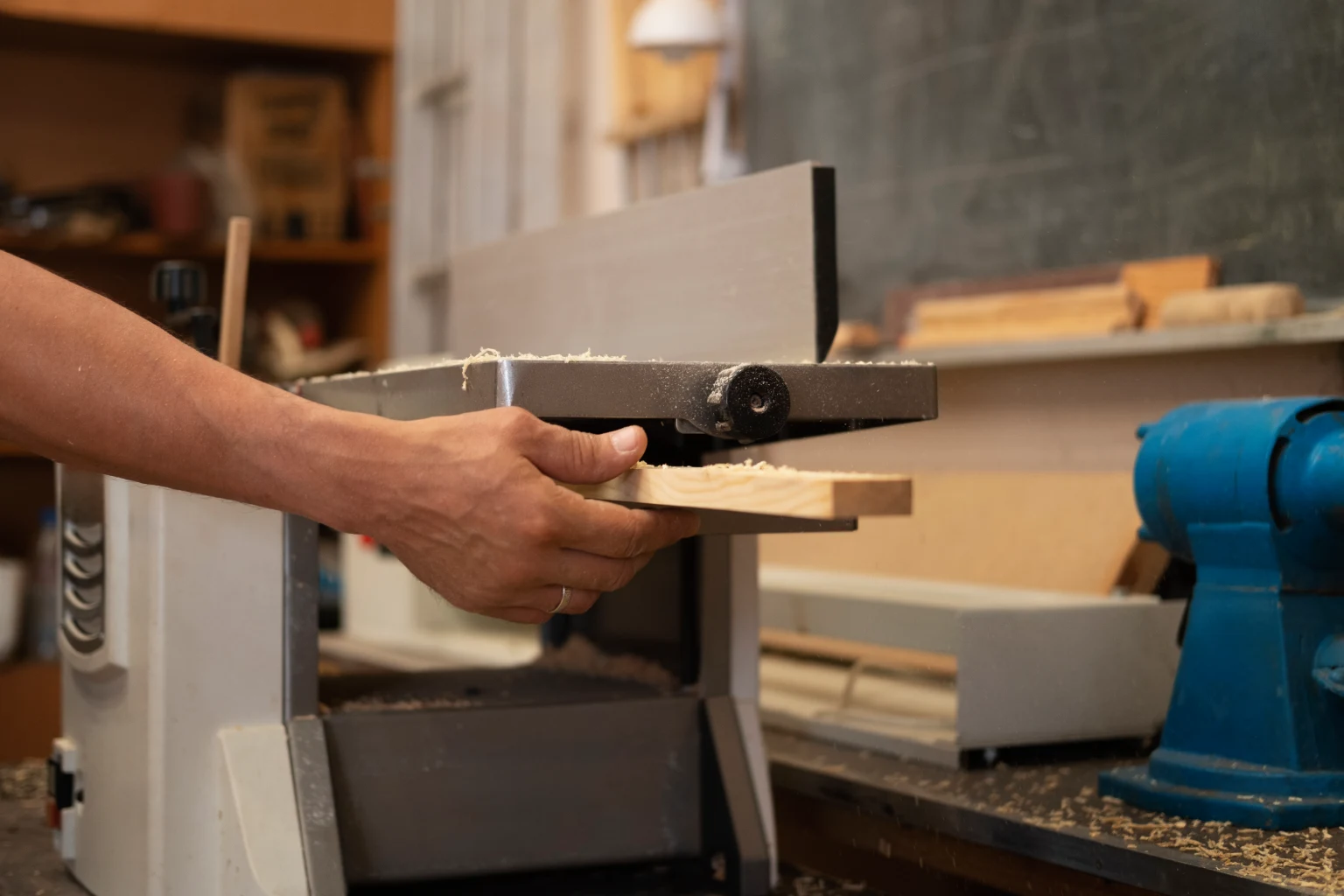
CNC millwork uses computer-controlled routing machines guided by CAD/CAM software to cut, shape, and finish wood with extreme precision. This guide breaks down what CNC millwork is, how the technology works, and why hospitality buyers rely on it for consistent, high-quality builds across every property.
Hospitality projects demand cabinetry, paneling, and fixtures that look flawless across dozens or hundreds of rooms. Hand-cut woodworking cannot always guarantee that level of consistency at scale. That is where computer-aided machinery changes the entire equation for buyers.
If you are sourcing custom woodwork for a hotel, restaurant, or resort, understanding what CNC millwork is helps you evaluate vendors with confidence. This guide walks through the technology, the process, and why it matters for your next renovation or new build.
By the end, you will know exactly what questions to ask a millwork partner and why automated production has become the industry standard for commercial and hospitality projects.
What Is CNC Millwork?
CNC stands for Computer Numerical Control. In simple terms, what is CNC millwork comes down to using digital design files to guide automated cutting machines through wood, laminate, and composite materials.
Instead of a craftsman manually measuring and cutting each panel by hand, a CNC router follows programmed instructions from start to finish. The result is tighter tolerances, faster turnaround, and far fewer errors across large production batches.
For hospitality buyers, this matters because a single property might need hundreds of identical cabinet doors, moldings, or reception desk panels. Consistency at scale is the entire point behind what CNC millwork is as a production method.
Why Hospitality Buyers Should Care About CNC Millwork
Hotels and restaurants operate on tight renovation windows, often with only a few weeks between guest bookings. Guest rooms cannot stay out of service for long, and brand standards require every unit to match exactly.
CNC millwork solves both problems at once. Machines can run overnight, replicate designs precisely, and hit production deadlines that hand-fabrication simply cannot match on a large scale.
This is precisely why understanding what CNC millwork is has become essential knowledge for procurement teams in hospitality construction.
How CAD and CAM Software Power the Process
Every CNC project starts long before the machine even turns on. Designers use Computer-Aided Design, or CAD, software to build a detailed digital model of the finished piece.
That model then passes through Computer-Aided Manufacturing, or CAM, software. CAM translates the design into machine-readable code, often called G-code, which tells the router exactly where and how to cut.
This two-step digital process is the backbone of what CNC millwork is in practice. Nothing is left to guesswork once the design file is finalized and approved.
From Digital File to Physical Panel
Once the CAM software generates the toolpath, the CNC machine receives instructions for every single movement. It knows the speed, depth, and angle required for each pass across the material surface.
Operators load the raw wood or panel stock onto the machine bed before starting the run. From there, the router moves along the X, Y, and Z axes, removing material with each pass until the final shape emerges cleanly.
This is a subtractive process, meaning material is cut away rather than added layer by layer. It differs from additive methods like 3D printing, though both rely heavily on digital files to guide production.
Automated Routing and Precision Cutting Explained
Automated routing is the mechanical heart of CNC millwork operations. A rotating cutting bit moves across the workpiece, following the exact path defined by the CAM program.
Because the machine controls every variable, tolerances can reach within thousandths of an inch on each cut. That level of precision is nearly impossible to replicate by hand, especially across large production runs.
Many manufacturers offer dedicated CNC routing services for clients who need intricate profiles, decorative panels, or repeatable joinery details. These services bridge the gap between design intent and the finished physical product.
Common Materials Used in CNC Routing
CNC routers work with a wide range of substrates, which makes the technology flexible across hospitality applications and budgets. Common materials include:
- Solid hardwoods like oak, walnut, and maple for premium finishes
- Plywood and MDF substrates for painted or veneered surfaces
- Laminates and high-pressure decorative panels for durability
- Acrylic and composite materials for signage or accent work
- Metal inlays for accent detailing in high-end lobby builds
This versatility means a single CNC setup can produce cabinet doors, decorative screens, and custom millwork trim without switching production lines entirely.
Quality Control Throughout the Machining Process
Automation does not remove the human element entirely from the workflow. Skilled operators monitor the cut in real time, checking for chatter, tool wear, or material defects as the run progresses.
Once the piece comes off the machine, a woodworker inspects the finished cut closely. Sanding, edge finishing, and any hand-applied detailing happen at this stage to prepare the piece for staining or painting.
This blend of machine precision and craftsman oversight is why CNC millwork consistently outperforms manual methods for large hospitality orders and tight deadlines.
Benefits of CNC Millwork for Commercial and Hospitality Projects
| Benefit | Why It Matters for Hospitality Buyers |
|---|---|
| Precision | Every panel matches the spec, room after room |
| Speed | Faster production keeps renovations on schedule |
| Consistency | Brand standards stay uniform across properties |
| Material flexibility | Works with wood, laminate, and composites |
| Cost efficiency | Less labor and waste per unit produced |
Understanding this shift helps buyers ask sharper questions when vetting a millwork partner for their next project.
Scaling Production Without Sacrificing Detail
One common misconception is that automation sacrifices craftsmanship somewhere along the way. In practice, CNC millwork allows shops to reproduce intricate carvings, decorative reveals, and custom profiles at scale without losing detail.
Hospitality brands with signature design elements, like a specific edge profile or inlay pattern, can replicate that detail across every property without variation. That level of brand consistency was genuinely difficult to guarantee before automated routing became a standard practice.
Buyers who understand what CNC millwork is can better evaluate whether a vendor's equipment and workflow will actually support their design vision at scale.
The Role of CNC Millwork in Modern Hospitality Design
Design trends in hospitality move quickly, and buyers increasingly favor intricate, custom details over generic finishes. What CNC millwork enables here is the ability to chase those trends without blowing budgets or timelines.
A CNC router can cut a complex lattice screen, a curved reception counter, or a decorative wall panel just as easily as a straight cabinet door. Designers gain far more creative freedom because the machine, not a hand tool, executes the geometry.
This shift has pushed many architects and interior designers to specify CNC-produced millwork directly in their construction documents. Understanding what CNC millwork is capable of producing helps designers push creative boundaries with confidence that the shop can deliver.
CNC Millwork and Sustainability
Sustainability has become a priority for many hospitality brands, and CNC production supports that goal in a few practical ways. Automated cutting reduces material waste because toolpaths are optimized digitally before any wood is touched.
Nested cutting layouts squeeze more parts out of each sheet of plywood or MDF, lowering overall material costs and waste sent to landfills. For buyers focused on sustainability reporting, this is a meaningful benefit worth mentioning to stakeholders.
Shops offering CNC routing services can often provide waste reduction data as part of their sustainability documentation for larger hospitality clients.
How CNC Millwork Fits Into a Larger Project Timeline
CNC production rarely happens in isolation from the rest of a build. It is one stage within a broader millwork workflow that includes design consultation, material sourcing, machining, finishing, and installation.
Hospitality buyers should ask vendors how their CNC capacity fits into the overall production schedule. A shop with strong CAD/CAM capabilities but limited finishing or installation resources may still create bottlenecks down the line.
Understanding what CNC millwork is within this full pipeline helps buyers set realistic expectations for lead times and delivery dates before signing a contract.
Questions to Ask Before Committing to a Vendor
Before selecting a CNC millwork provider, hospitality buyers should confirm a few key details. Ask about machine capacity, typical turnaround times, and how design revisions are handled mid-project.
It also helps to ask whether the shop offers CNC routing services in-house or outsources that step to another vendor. In-house capability usually means faster communication and fewer coordination issues.
Why Choose Einstein Millworks for Your Next Project
Einstein Millworks combines advanced CNC routing services with hands-on craftsmanship to deliver commercial millwork that meets exact specifications every time. Our San Antonio facility serves hospitality, retail, and commercial clients across Texas with reliable turnaround and consistent quality.
From custom cabinetry to architectural panels and store fixtures, our team manages the entire process in-house: design support, CNC machining, finishing, and installation. That means fewer vendors to coordinate and a single point of accountability for your project timeline.
Whether you are renovating a single property or rolling out a design standard across multiple locations, Einstein Millworks has the equipment and experience to deliver on time and on spec, every single time.
Precision Woodworking Starts with Einstein Millworks
Now that you understand what CNC millwork is, the next step is choosing a partner who can execute it well. Precision, consistency, and speed all depend heavily on the shop behind the machine.
Einstein Millworks brings that expertise to every hospitality and commercial project, backed by modern CNC equipment and a team that understands brand-standard consistency across multiple properties.
Ready to start your build? Contact Einstein Millworks today and see what CNC millwork is done right.
Frequently Asked Questions
1. What is CNC millwork used for?
CNC millwork produces cabinetry, paneling, molding, and fixtures for hospitality, retail, and commercial projects requiring precise, repeatable cuts at scale.
2. How is CNC millwork different from hand-crafted woodworking?
CNC millwork uses digital files and automated routers for precision, while hand-crafted woodworking relies on manual measuring and cutting techniques.
3. What materials work with CNC routing services?
CNC routers handle hardwoods, plywood, MDF, laminates, acrylics, and composite materials commonly used in hospitality and commercial millwork projects.
4. Does CNC millwork reduce project costs?
Yes, CNC millwork reduces labor hours and material waste, which often lowers overall production costs for large-scale hospitality orders.
5. Can CNC millwork replicate custom designs across multiple properties?
Yes, CNC millwork excels at reproducing identical designs across multiple units, making it ideal for hospitality brands with strict design standards.