


A cabinet door that looks sharp at turnover can fail fast under real traffic. In retail, hospitality, healthcare, and workplace interiors, material selection is what separates cabinetry that photographs well from cabinetry that performs for years. The best materials for commercial cabinetry are rarely defined by appearance alone. They are defined by how well they hold up to impact, moisture, cleaning protocols, installation conditions, and the design standards of the space.
For architects, designers, contractors, and owners, that decision is less about finding one universal winner and more about matching the material stack to the application. A reception desk has different demands than a breakroom base cabinet. A grocery remodel has different risk factors than a luxury boutique. Commercial cabinetry works best when substrate, face material, edge treatment, and finish are specified as a system.
What makes a material right for commercial cabinetry
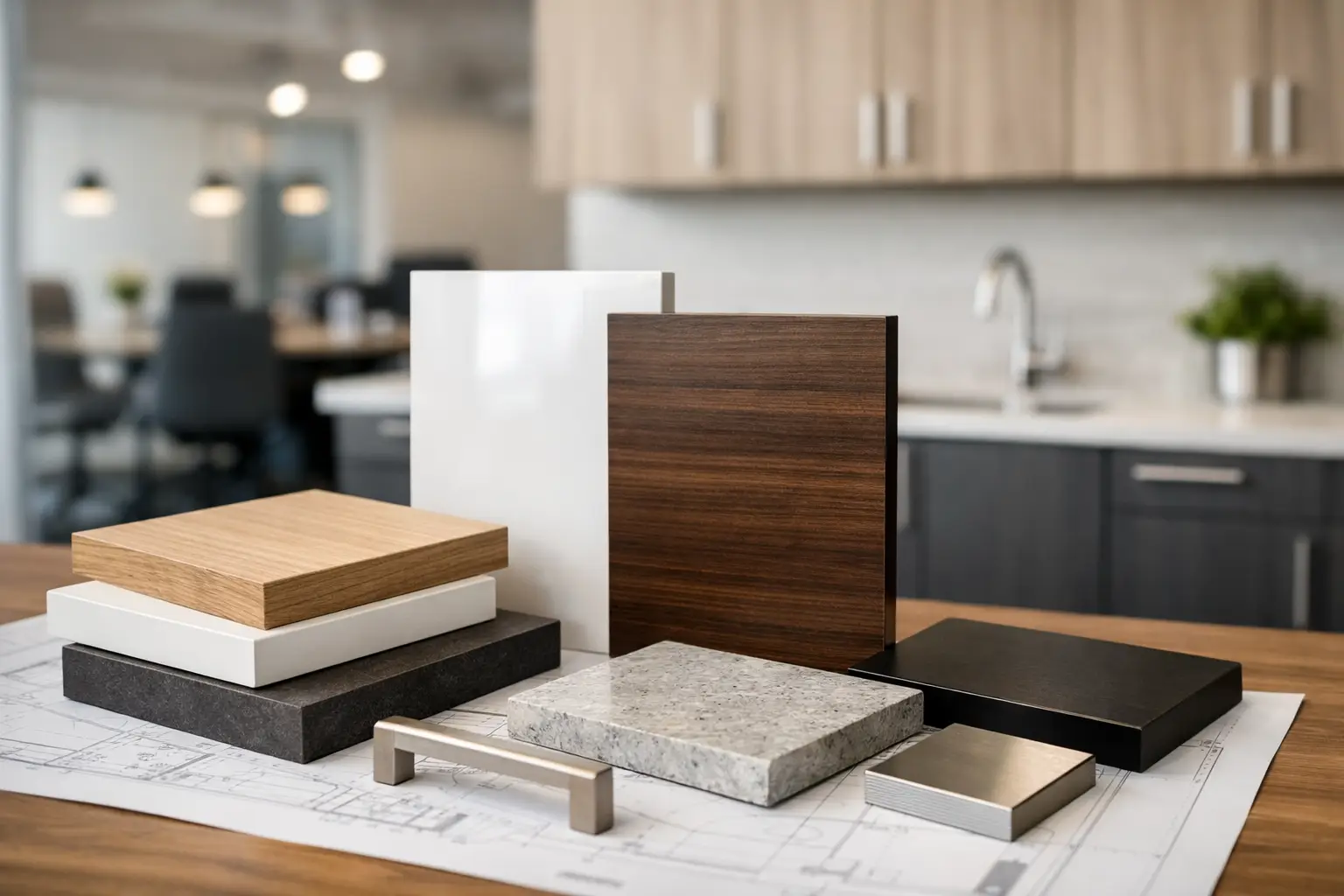
In commercial work, durability is only one part of the equation. The right material also needs to support the design intent, stay consistent across production runs, and fit the realities of schedule and budget. That means evaluating density, screw-holding strength, moisture resistance, finish compatibility, repairability, and lead time - not just the sample in the box.
There is also a practical distinction between structural material and finish material. The core may be plywood or particleboard, while the visible face may be laminate, veneer, or painted MDF. Treating those as separate decisions leads to better outcomes. It also allows teams to spend where the project benefits most rather than overbuilding every cabinet equally.
Best materials for commercial cabinetry by core substrate
Plywood
Plywood remains one of the strongest and most versatile cabinet substrates in commercial millwork. Its layered construction gives it good structural stability, solid fastener holding, and reliable performance in many interior environments. For premium custom cabinetry, plywood is often the preferred choice when strength and long-term durability matter.
It is especially well suited for casework that will see repeated use, wall-mounted cabinetry, and installations where panels need to stay flat and stable. In higher-end interiors, plywood also supports a broad range of finish applications, including wood veneer and laminate.
The trade-off is cost. Plywood typically carries a higher material price than particleboard or MDF, and not every commercial project needs that level of performance at every elevation. Specifying plywood strategically often makes more sense than applying it across the board.
Particleboard
Particleboard is widely used in commercial cabinetry for a reason. It is cost-efficient, dimensionally consistent, and performs well in dry interior applications when paired with the right surface material. For laminate casework in offices, retail back-of-house spaces, and many fixture programs, particleboard can be a practical and dependable choice.
Its smooth surface makes it well suited to laminate application, and it supports clean fabrication in production settings. On budget-sensitive projects or large rollout programs, it often helps maintain design consistency without pushing costs unnecessarily high.
Its limitations are equally clear. Standard particleboard is less tolerant of moisture, less forgiving under impact, and weaker in screw-holding than plywood. In demanding environments, those weaknesses can show up quickly if the specification is too light for the use case.
MDF
Medium-density fiberboard is typically chosen for its surface quality rather than its structural strength. It machines cleanly, finishes smoothly, and performs particularly well in painted applications where a refined, consistent face is required. If the design calls for crisp profiles, integrated detailing, or a premium painted finish, MDF is often the best substrate for those visible elements.
In commercial interiors, MDF is commonly used for doors, decorative panels, feature elements, and select cabinetry components rather than full case construction. It brings strong visual control, especially where grain telegraphing or surface inconsistency would be unacceptable.
The caution with MDF is weight and moisture sensitivity. Standard MDF is heavy, and when exposed to water it can swell and fail. Moisture-resistant grades improve that profile, but they still need to be used thoughtfully.
The most effective face materials and finishes
High-pressure laminate
For many commercial projects, high-pressure laminate is the workhorse finish. It is durable, consistent, easy to clean, and available in a wide range of colors, wood looks, and specialty textures. In spaces with high touch frequency - such as healthcare support areas, educational environments, corporate pantries, and retail fixture programs - laminate often delivers the best balance of performance and design flexibility.
It resists scratches and staining better than many painted surfaces, and it is easier to maintain over time. For large projects, it also supports repeatability, which matters when matching future phases or replacement components.
That said, laminate quality depends heavily on fabrication details. Poor edge treatments, low-grade substrates, or weak adhesion can undermine an otherwise solid specification. The finish itself is durable, but the assembly must be equally disciplined.
Wood veneer
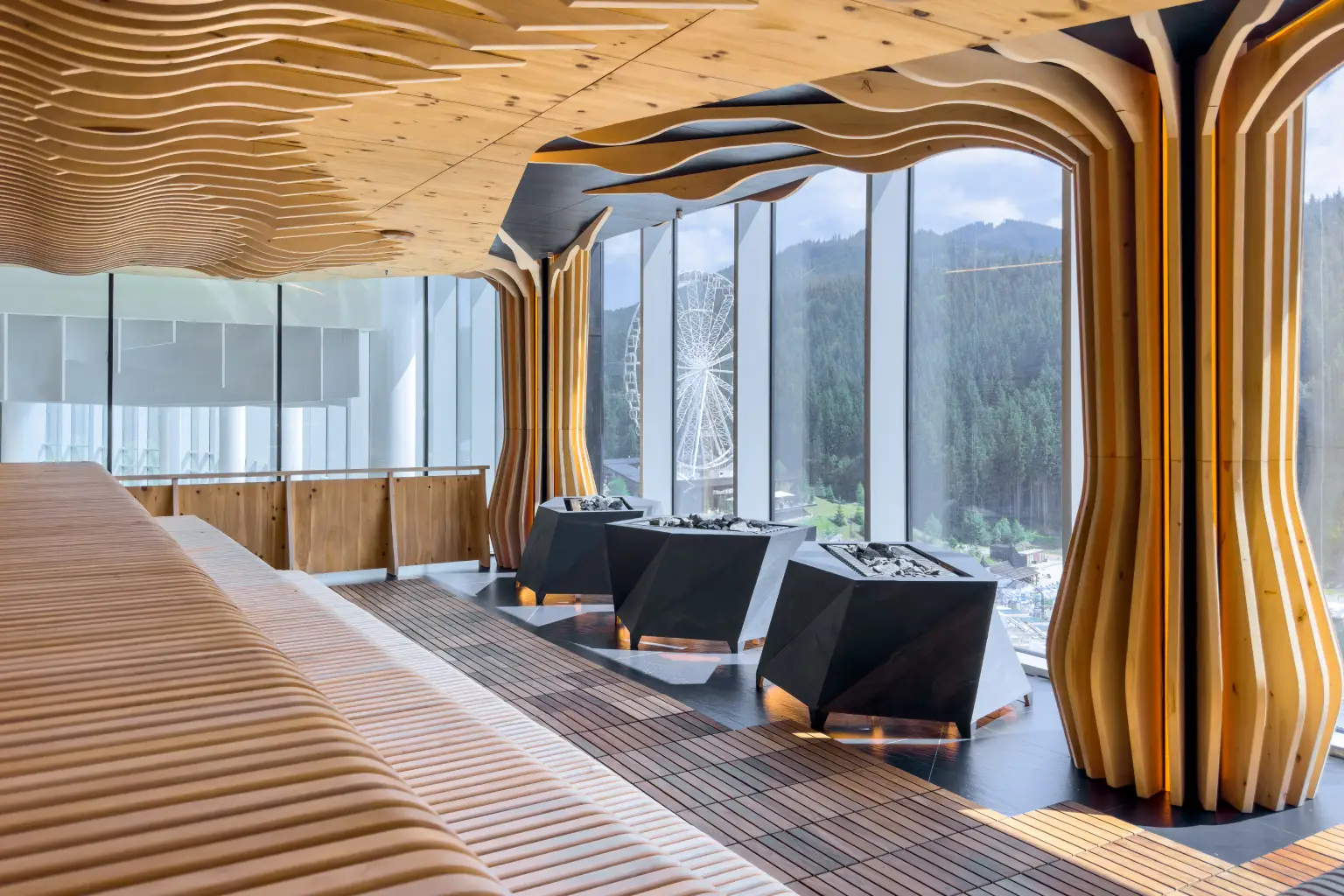
When the project calls for warmth, depth, and a more architectural finish, wood veneer remains a leading choice. It offers the appearance of real wood with better dimensional control than solid lumber and can elevate commercial interiors well beyond standard casework aesthetics. Veneer is especially effective in executive spaces, hospitality environments, branded retail, and statement millwork.
Its value is visual, but it requires careful coordination. Species selection, cut, grain matching, stain control, and sheen level all affect the final result. Done well, veneer reads as intentional and premium. Done poorly, it exposes every inconsistency.
Veneer also tends to demand more discipline in use and maintenance than laminate. It is not the right answer for every abuse-prone environment, but in the right setting it brings a level of sophistication that synthetic finishes rarely match.
Painted finishes
Painted cabinetry remains popular in design-driven commercial interiors, particularly where clean color fields or tailored brand palettes are central to the concept. Painted MDF doors and panels can achieve a sharp, contemporary look that works well in offices, hospitality spaces, wellness environments, and select retail applications.
The strength of a painted finish is precision. It allows for exact color direction and a polished visual language. The challenge is wear. Painted surfaces can chip, scuff, and show touchpoints more readily than laminate, especially in high-use zones.
That does not mean painted cabinetry should be avoided. It means painted components should be placed where they can succeed, or detailed with realistic maintenance expectations.
Where moisture resistance changes the specification
Not every commercial environment is equally dry. Breakrooms, healthcare support zones, grocery service areas, and hospitality back-of-house locations all introduce moisture exposure that can shorten the life of the wrong cabinet material. In those spaces, moisture-resistant cores, better edge sealing, and more durable face materials are often worth the added investment.
This is where plywood frequently gains ground, particularly when compared with standard particleboard or MDF. It is also where fabrication quality matters as much as material type. Open edges, poorly sealed joints, and low-grade hardware can create early failures even when the substrate itself is acceptable.
Commercial cabinetry is rarely damaged by a single dramatic event. More often, it fails through repeated small exposures - wet mops, spilled product, frequent wipe-downs, or humidity swings. Material selection should reflect that reality.
Best materials for commercial cabinetry in common applications
For general office casework, laminate-faced particleboard or plywood often offers the best value. It delivers durability, clean aesthetics, and cost control without overengineering the package.
For hospitality, branded retail, and executive interiors, plywood with wood veneer or select painted components usually supports the design standard more effectively. These projects tend to prioritize finish quality and visual distinction, so the material system needs to carry that expectation.
For healthcare, education, grocery, and other hard-use environments, laminate over a durable substrate is often the safest path. It handles cleaning and wear well, and it can be detailed for efficient long-term maintenance.
For feature millwork, reception desks, and focal installations, the answer is often mixed-material construction. Structural areas may call for plywood, visible statement surfaces may use veneer, and shaped painted elements may rely on MDF. That blended approach is common in premium commercial fabrication because it aligns each material with its actual job.
Why fabrication quality matters as much as the material itself
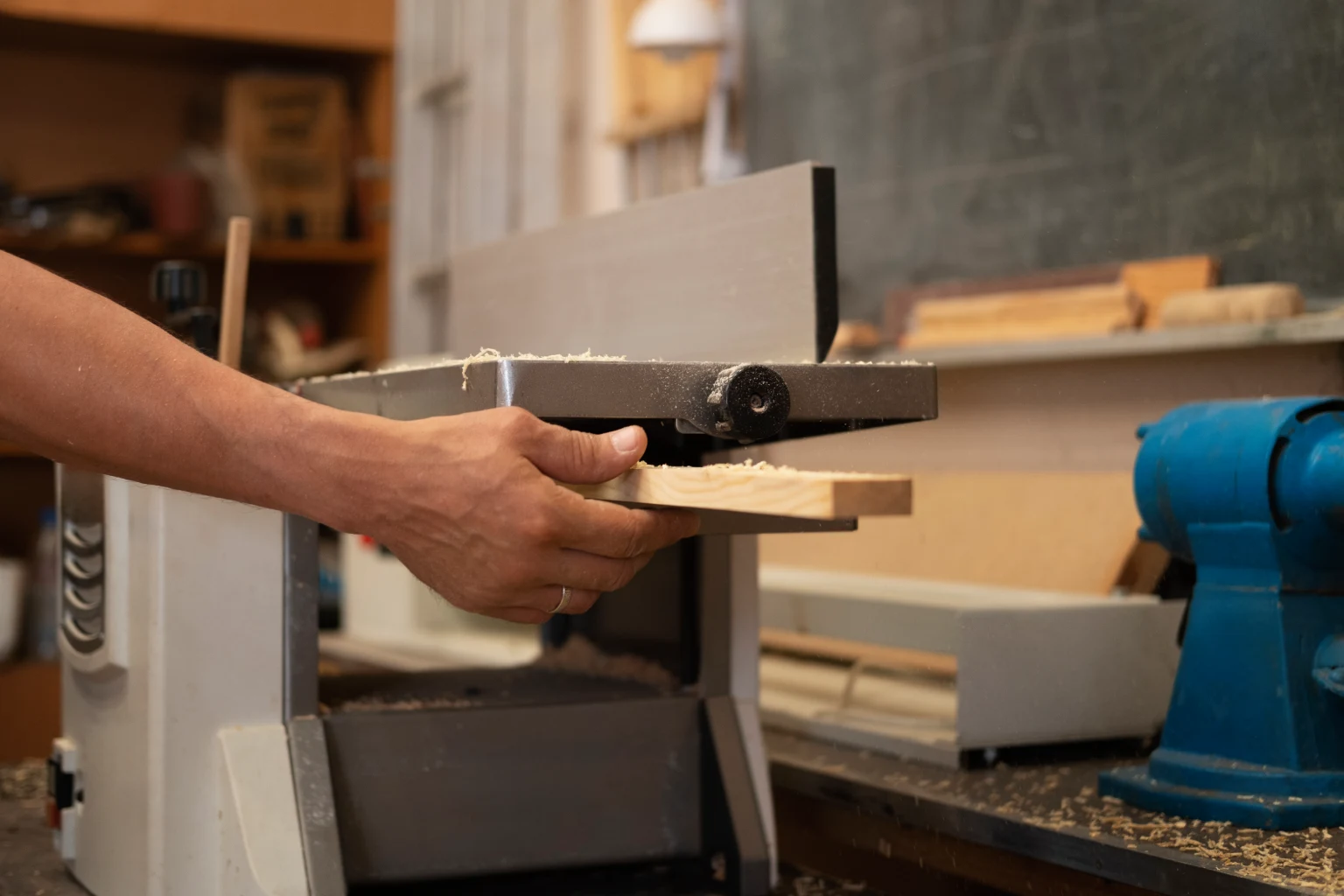
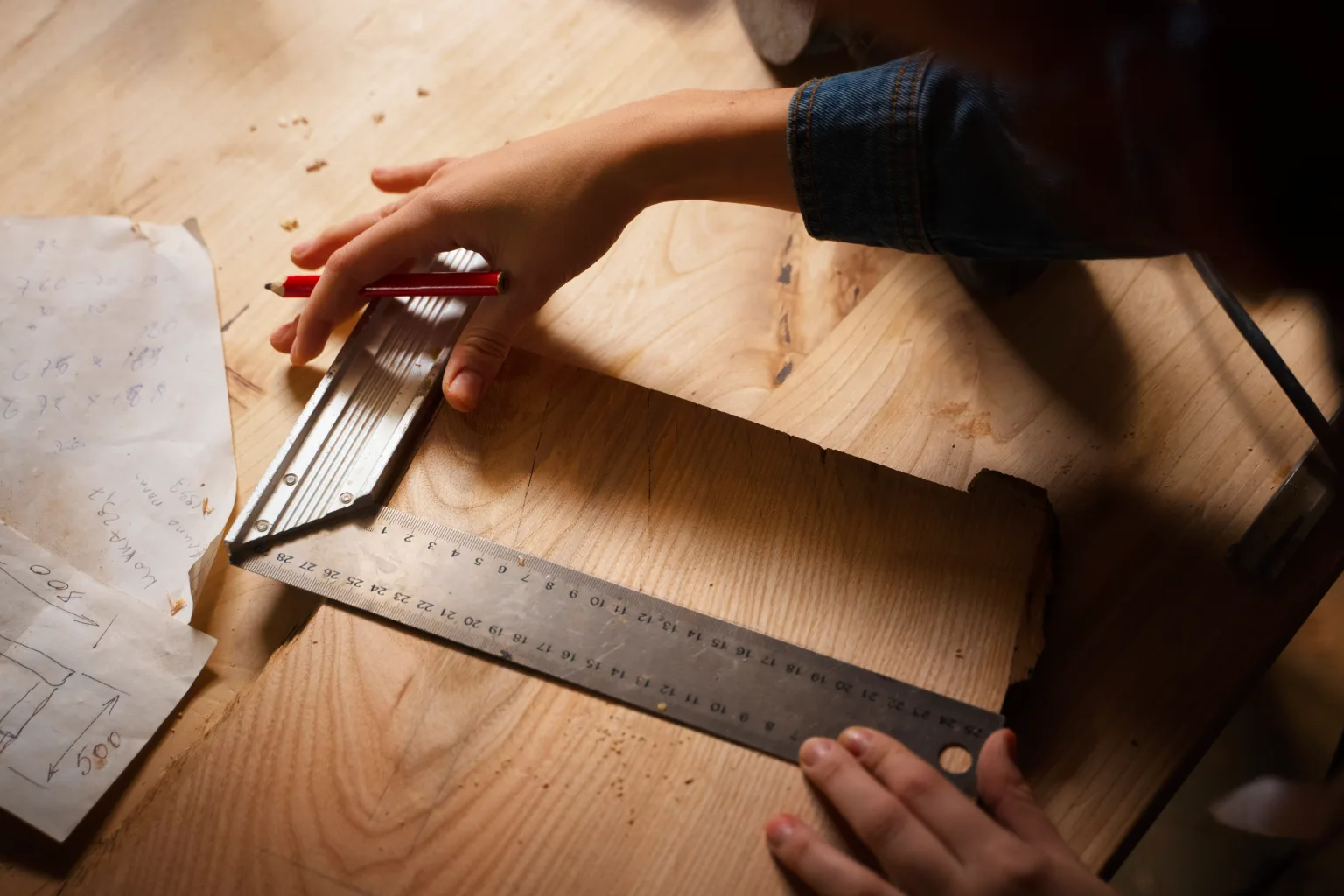
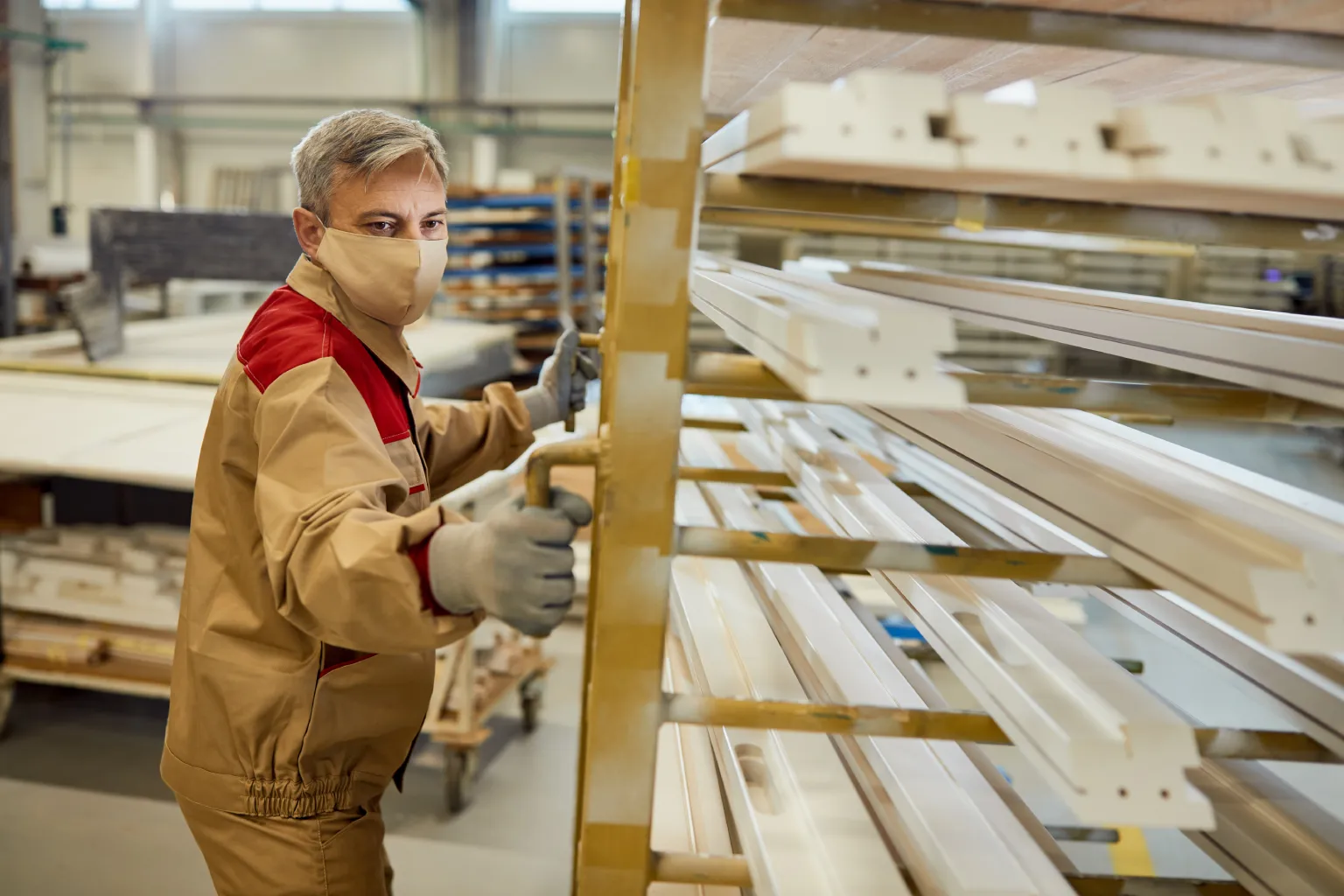
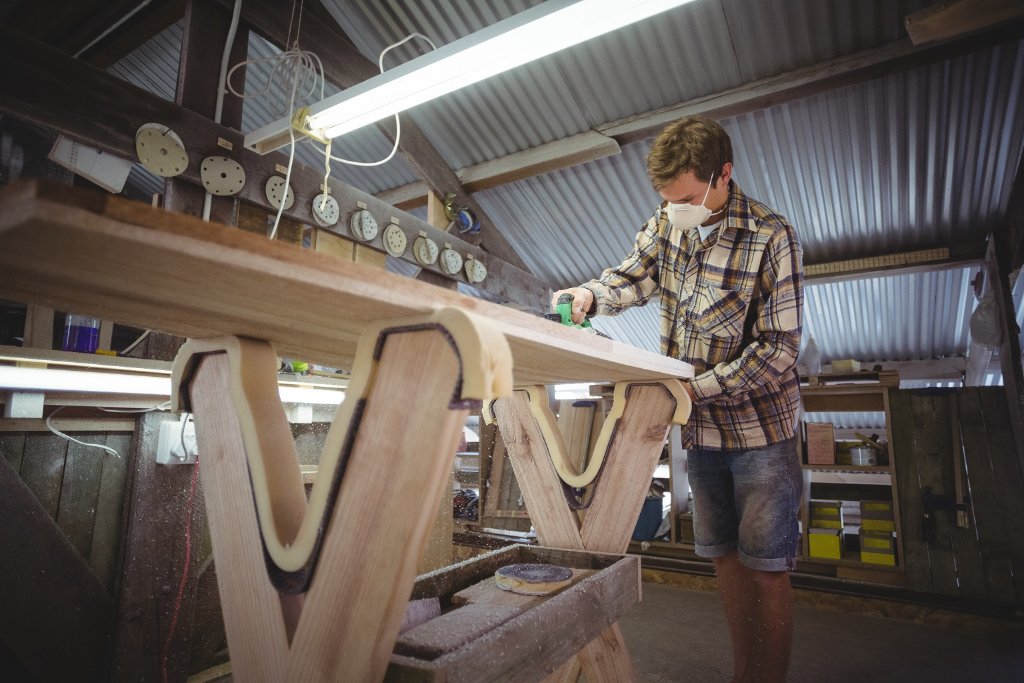
A strong material can still underperform if fabrication and installation are weak. Panel optimization, CNC accuracy, edge quality, joinery, finish application, and field coordination all influence how cabinetry performs once the space is occupied. Material choice sets the baseline, but execution determines whether the cabinetry meets the standard promised in design.
That is especially true in custom commercial work, where dimensions, sequencing, and fit conditions are rarely generic. A capable millwork partner does more than source panels. The role is to guide material selection around the realities of the project, from visual intent to lifecycle demands. At Einstein Millworks, that material logic is part of how premium cabinetry is built to serve both architecture and operations.
The best specification is usually not the most expensive one. It is the one that understands where durability matters most, where finish quality carries the brand, and where construction needs to support long-term use. If the material choices are made with those priorities in view, commercial cabinetry does more than fill a wall. It holds up, reads well, and keeps working long after the opening date.