


A lobby feature wall misses its reveal by a quarter inch, a retail fixture package arrives out of sequence, or a cabinet run is field-adjusted because site conditions were never fully coordinated. In commercial millwork manufacturing, those are not minor inconveniences. They affect schedules, design integrity, labor costs, and the client’s confidence in the entire build team.
That is why commercial projects demand more than a capable shop. They require a manufacturing partner that can translate design intent into production-ready details, control quality across every component, and support installation with the same discipline used on the shop floor. For architects, interior designers, general contractors, developers, and owner teams, the value is not just in the finished woodwork. It is in how predictably the entire package performs from submittal through closeout.
What commercial millwork manufacturing really includes
Commercial millwork manufacturing sits at the intersection of design, fabrication, logistics, and field execution. It covers far more than casework alone. Depending on the project, it can include reception desks, built-in cabinetry, architectural wall paneling, feature installations, retail displays, shelving systems, service counters, banquettes, fixture packages, and specialty components tailored to a specific brand or environment.
The common thread is customization. Unlike commodity products, commercial millwork is typically made for a particular space, code condition, user flow, and visual standard. Dimensions are rarely generic. Material selections need to align with both appearance and performance. Finish schedules must work across multiple surfaces. In many commercial interiors, the millwork package also has to coordinate with lighting, MEP access, graphics, security devices, and technology integration.
That complexity is exactly why manufacturing quality cannot be separated from pre-production thinking. A beautiful design concept can lose value quickly if it is not engineered for fabrication, transport, and installation.
Why the right manufacturing process matters
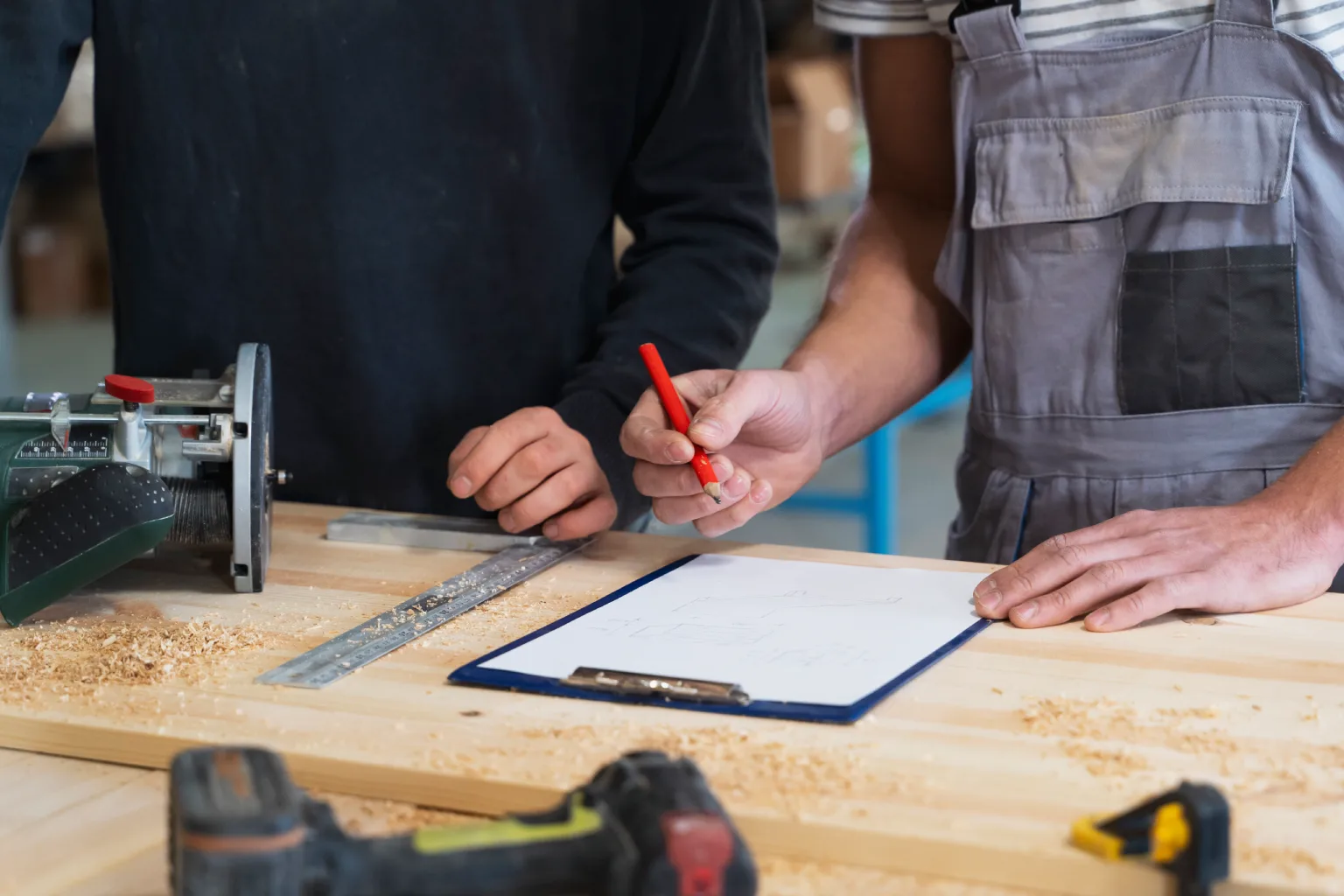
The strongest commercial millwork manufacturing programs are built around control. That starts with shop drawings and submittals that do more than check a box. Good documentation resolves dimensions, material transitions, hardware conditions, and installation sequencing before material is cut.
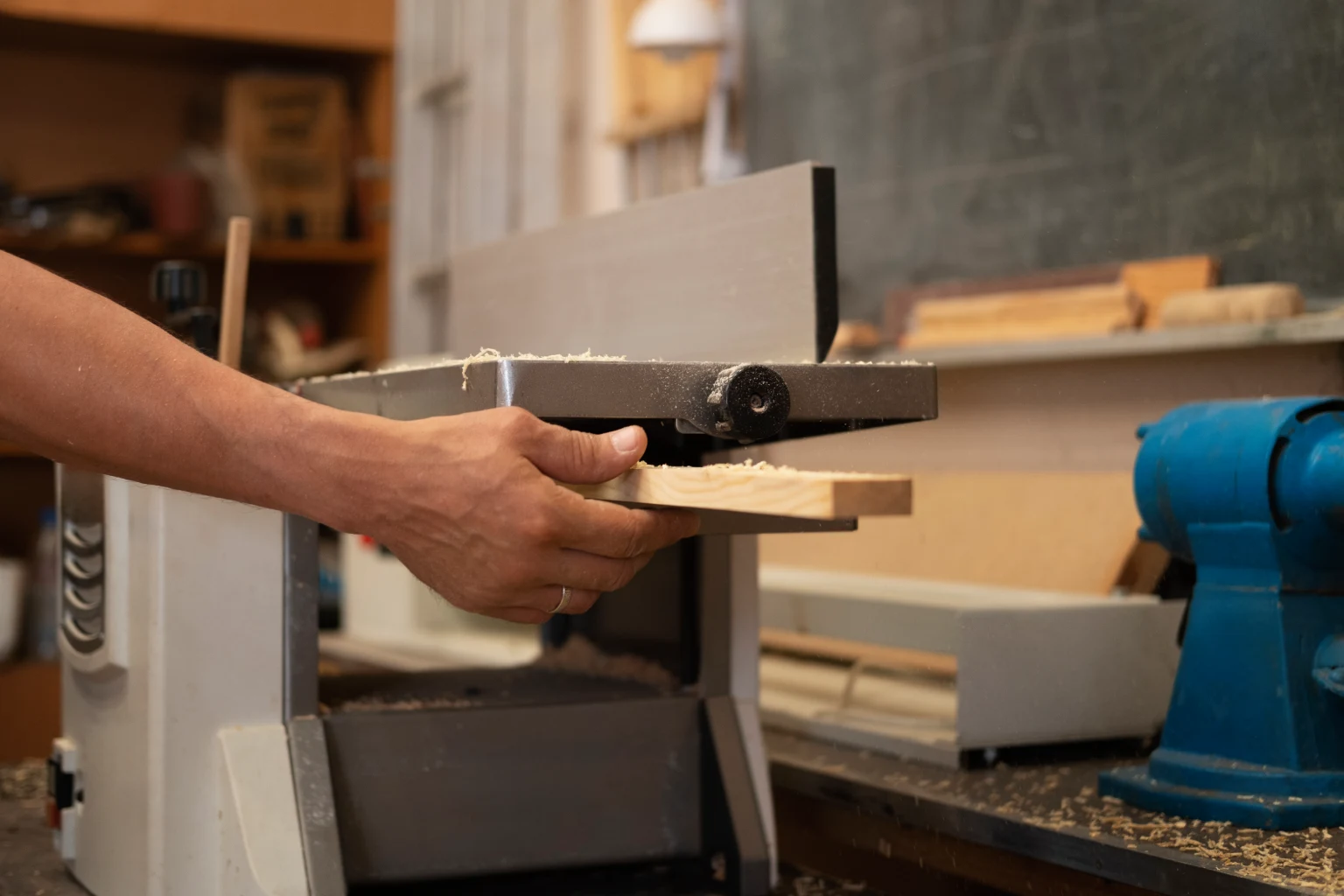
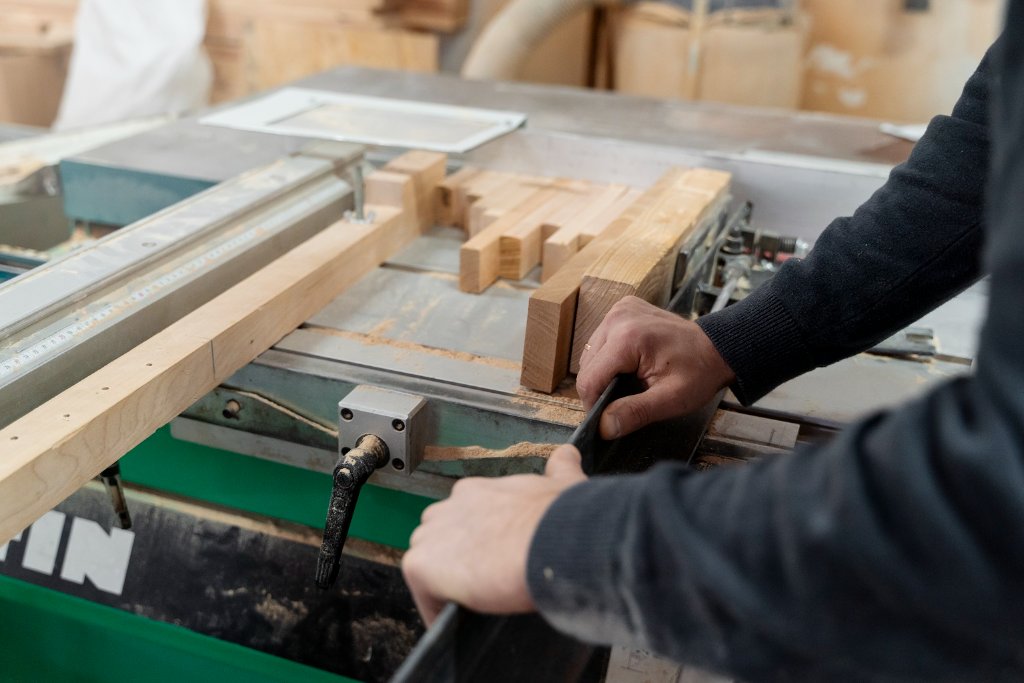
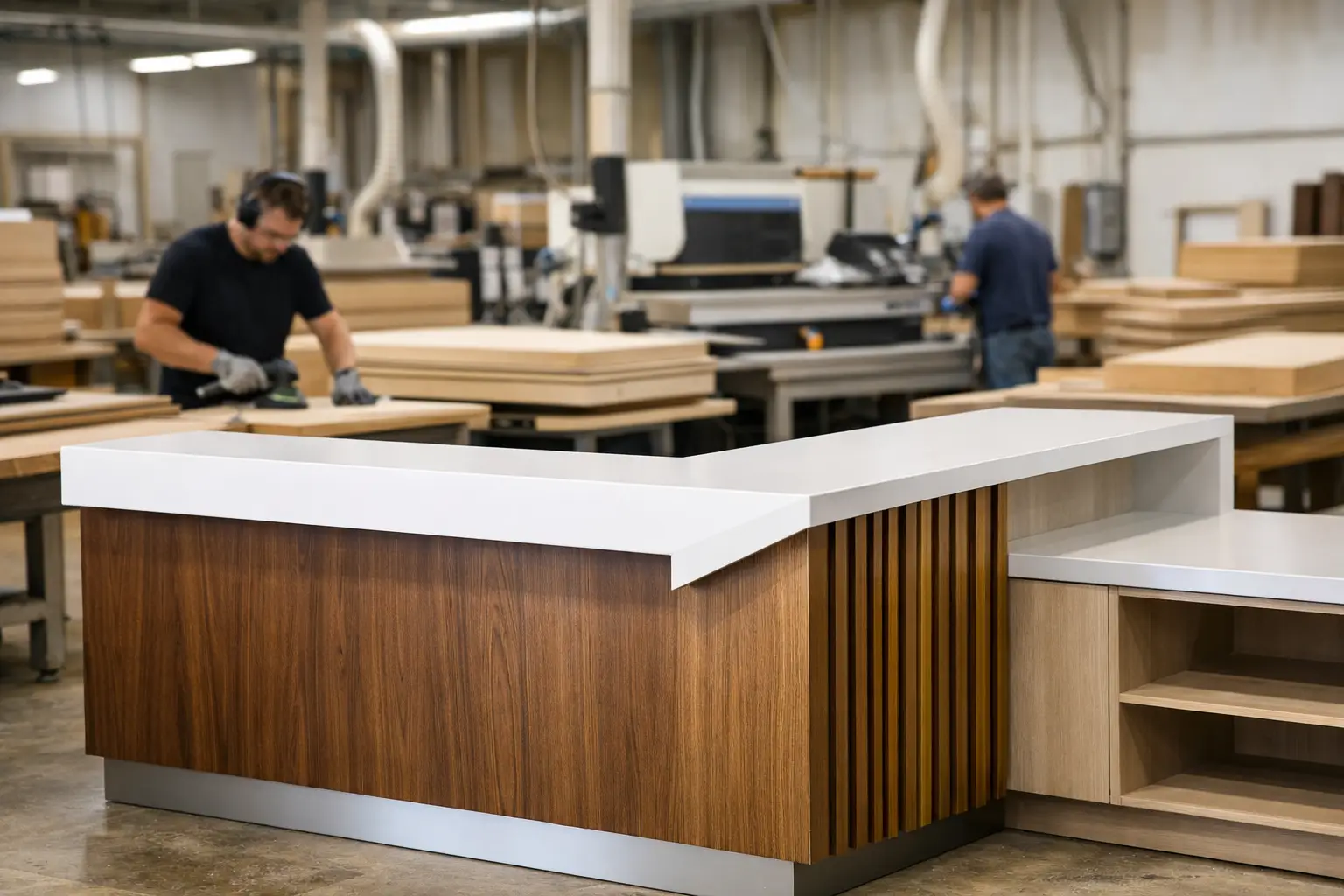
From there, CNC production adds consistency and repeatability, especially on large custom packages or multi-location rollouts. Precision machining reduces variation between components and helps maintain alignment across complex assemblies. But technology alone is not the advantage. The real advantage comes from combining digital production with experienced fabrication judgment. There are still decisions that depend on grain direction, finish behavior, edge conditions, structural support, and how a piece will actually be handled in the field.
This is where premium manufacturing separates itself from basic output. A shop can produce parts. A true project partner manufactures with the installation environment in mind.
Design intent has to survive fabrication
Commercial interiors often depend on millwork to carry the visual identity of the space. That might mean clean reveals, consistent veneer selection, integrated lighting channels, or fixture details that reinforce a retail brand standard. These elements are sensitive to small errors. If tolerances drift, if substitutions are made without understanding the design impact, or if sequencing is rushed, the final result looks compromised even when the scope is technically complete.
A disciplined manufacturing team protects the design through material review, mockups when needed, detailed approvals, and honest conversations about what can be built efficiently versus what needs refinement. That kind of dialogue saves time later because it catches issues before they become field conditions.
Speed only helps when coordination is solid
Fast turnaround is attractive, but speed without coordination usually creates downstream cost. Commercial schedules are compressed enough already. If millwork is fabricated before critical dimensions are confirmed, or if deliveries are not aligned to site readiness, the project pays for it through storage, rework, or installation delays.
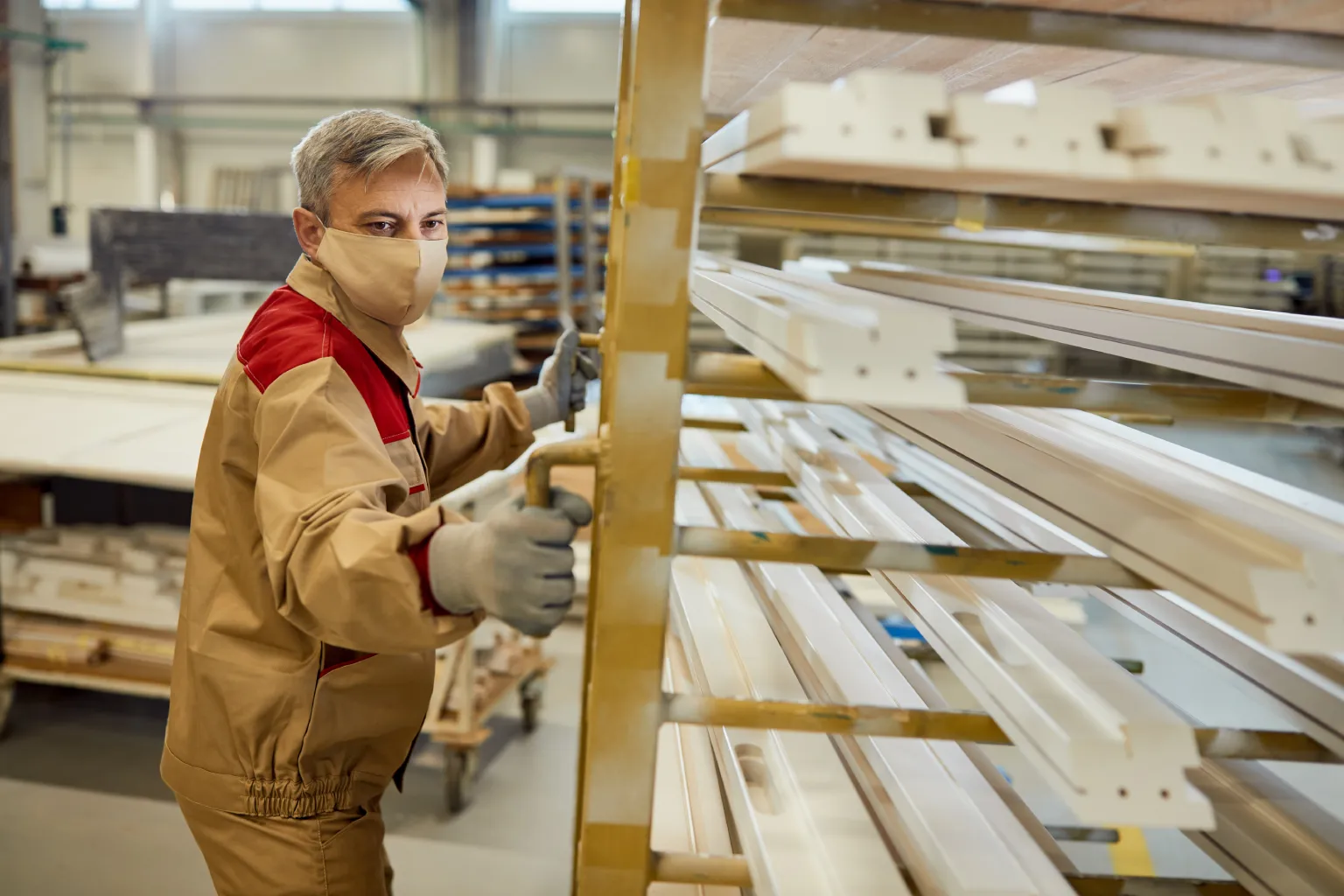
The better approach is controlled speed. That means moving decisively once details are resolved, maintaining production visibility, and sequencing deliveries in a way that supports the trades already on site. For general contractors and owner teams, this matters as much as craftsmanship because schedule reliability is part of project performance.
Evaluating a commercial millwork manufacturing partner
Not every millwork shop is built for commercial work, and that difference shows up quickly on complex projects. A qualified partner should understand documentation standards, construction coordination, site logistics, and the reality of delivering custom interiors under deadline.
Capacity matters, but so does range. Some projects require one-off architectural statements. Others involve repeated fixture packages, phased renovations, or occupied-site remodels. The best fit depends on whether the manufacturer can support the specific mix of customization, volume, and field conditions your project requires.
It is also worth looking at how the team engages before fabrication begins. Are they identifying conflicts early? Can they discuss finish durability as clearly as they discuss aesthetics? Do they understand how installation sequencing affects adjacent trades? Those signals often tell you more than a gallery of finished work.
Questions serious buyers should be asking
A commercial client should want clarity on a few essentials. How are shop drawings developed and reviewed? What is the process for field verification? How does the manufacturer handle value engineering without eroding design quality? What level of finish and material control is maintained across large packages? And who is responsible for installation coordination when site conditions change?
There is no single right answer to all of these questions because project types vary. A hospitality environment has different priorities than a grocery remodel or branded retail rollout. But the ability to answer them directly is a sign of operational maturity.
Where trade-offs usually appear
Commercial millwork manufacturing is full of decisions that involve trade-offs. Premium veneer selection may improve visual consistency but increase lead time. Highly customized detailing may strengthen the space concept but demand more coordination and a tighter approval process. Modularization can improve installation speed, yet it may limit some design flexibility depending on the application.
That does not mean compromise is a problem. It means the right manufacturing partner helps clients choose where precision matters most and where practical adjustments can protect schedule or budget without weakening the overall result.
For example, in a multi-site commercial program, repeatability may be the highest priority. In a flagship environment, finish quality and one-of-one detailing may carry more weight. In a remodel, field adaptability can be more valuable than absolute production speed. Good manufacturing strategy accounts for those realities instead of treating every project the same way.
Commercial millwork manufacturing in design-driven spaces
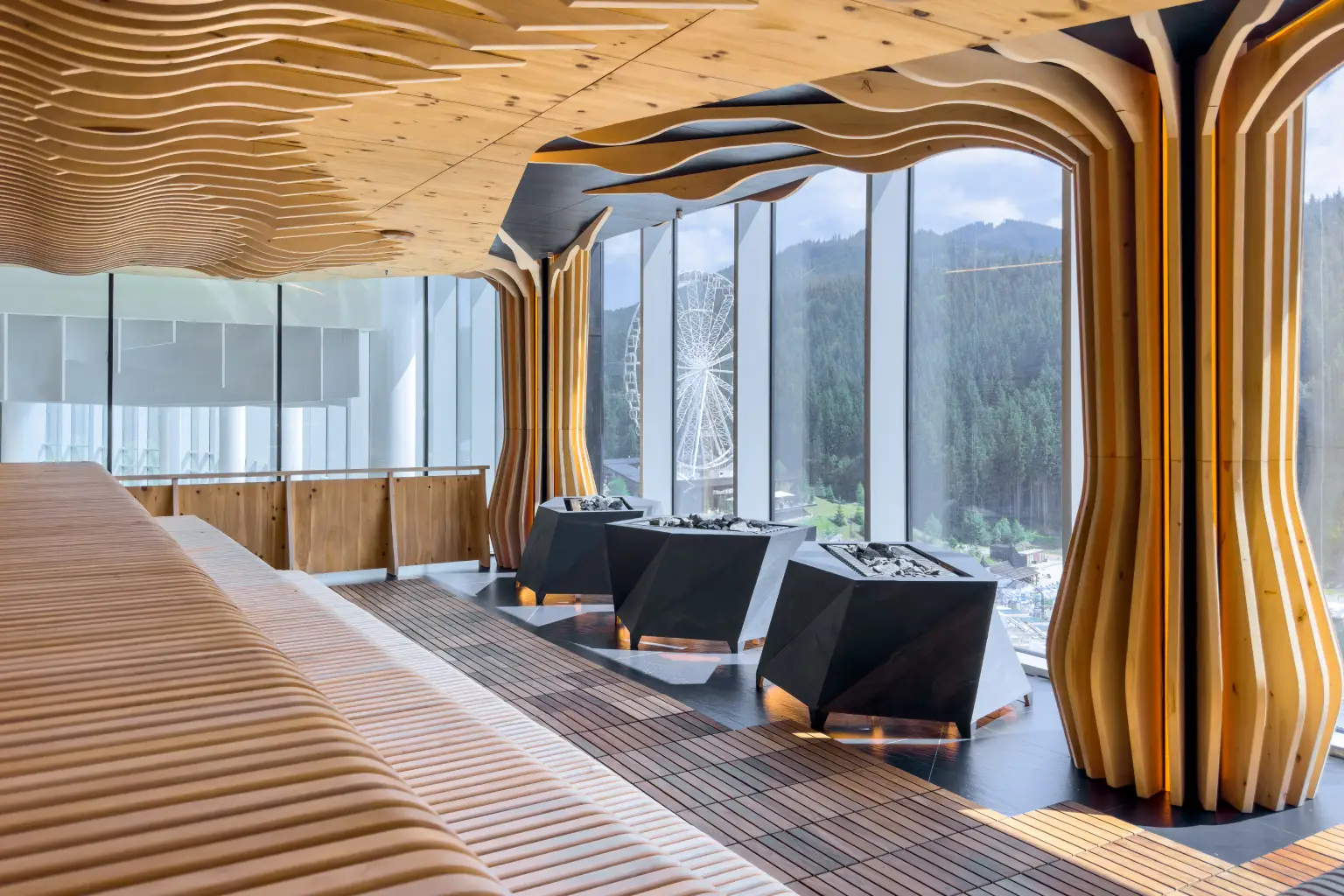
In design-forward interiors, millwork often does more than provide storage or surface area. It defines movement, frames branded experiences, and supports how people use the space. A reception desk can set the tone for a workplace. A feature wall can establish the identity of a hospitality concept. A store fixture package can shape customer flow and product visibility.
That is why design-driven commercial millwork manufacturing has to balance three things at once: visual precision, operational durability, and buildability. If any one of those is ignored, the result suffers. A striking detail that cannot withstand heavy use will not hold up. A durable assembly that looks generic may undercut the client’s brand. A sophisticated concept that was never resolved for fabrication will put pressure on every downstream phase.
Manufacturers who work well in this space tend to understand architecture as much as carpentry. They know how details read in a finished interior, how tolerances stack up across an entire package, and how to coordinate custom work so it supports the broader project instead of complicating it.
The value of full-service execution
For commercial buyers, one of the clearest advantages in working with a full-service team is continuity. When design coordination, fabrication, and installation are aligned, there is less room for information loss between phases. Issues can be addressed with a clearer sense of responsibility, and field decisions can be made by people who understand how the work was manufactured in the first place.
That continuity is especially valuable on projects with multiple scopes, phased schedules, or occupied environments. It supports cleaner handoffs, more reliable sequencing, and better accountability when the unexpected happens, which it usually does. A full-service model is not always necessary for every project, but on complex interiors it often reduces friction in ways that matter to both schedule and finish quality.
For teams across Texas managing custom commercial environments, that is the standard worth pursuing. Einstein Millworks approaches commercial millwork manufacturing with that full-project mindset, where design alignment, production precision, and installation planning are treated as one continuous process.
When millwork is handled well, it does not call attention to the effort behind it. It simply fits, performs, and elevates the space the way it was meant to.