


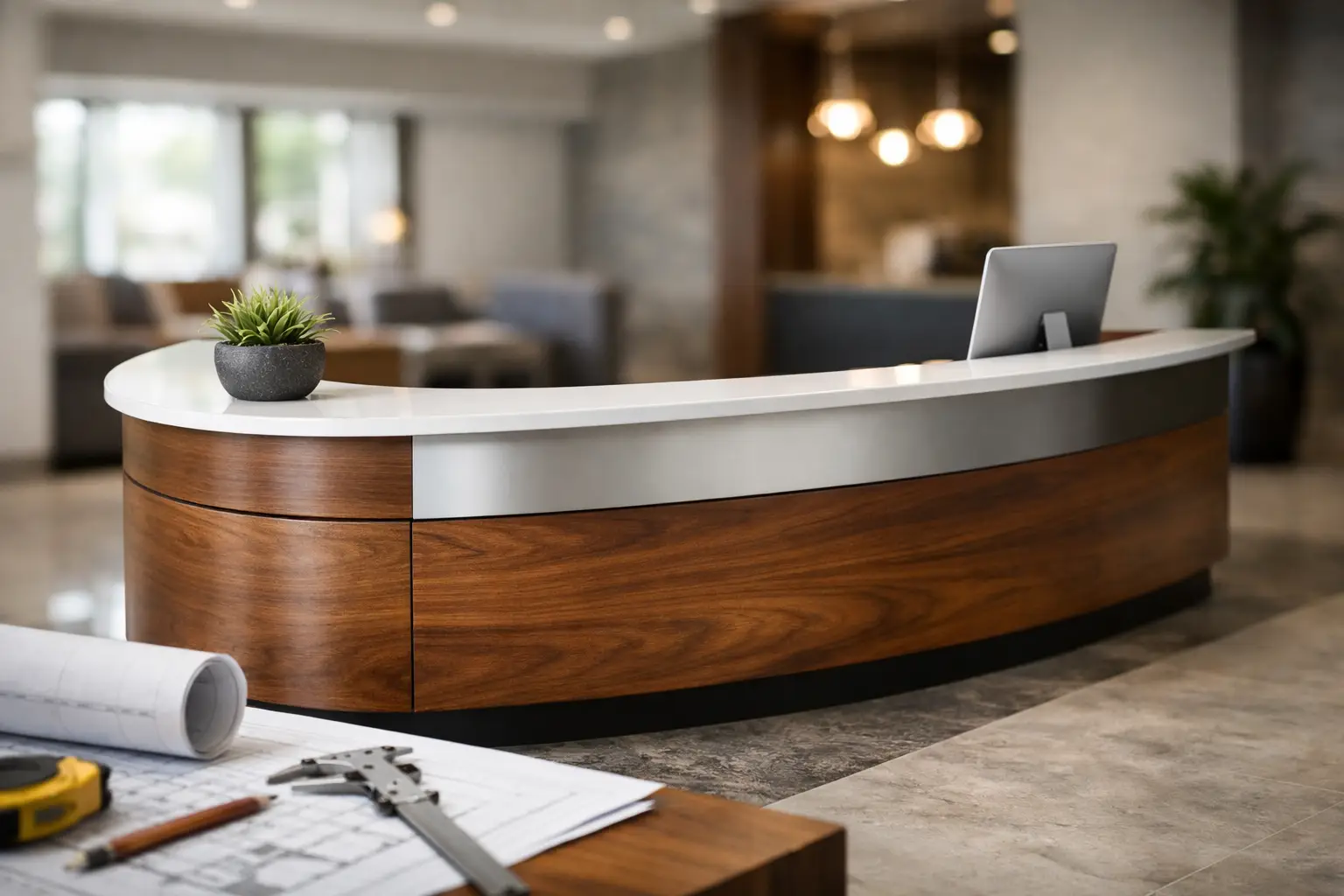
A reception desk is one of the first architectural elements people touch, see, and remember. In commercial interiors, custom reception desk fabrication is not just about creating a branded focal point. It has to resolve circulation, front-of-house workflow, technology integration, accessibility, durability, and installation constraints in one finished piece.
That is why reception desks tend to expose the difference between standard casework and true project-specific millwork. A desk can look impressive in a rendering and still fail on cable management, ADA access, monitor placement, staff ergonomics, or field fit. When the desk is custom fabricated around the actual space, those conflicts get addressed early, not after delivery.
Why custom reception desk fabrication matters
Reception is where visual identity meets daily use. In a corporate office, hospitality setting, healthcare environment, multifamily lobby, or retail showroom, the desk has to support the brand while holding up under constant wear. It also has to function for the people behind it, not just the visitors in front of it.
That balance is where custom work becomes valuable. A prefabricated unit may reduce upfront decision-making, but it often forces the project team to adapt the room to the desk instead of the desk to the room. Custom fabrication reverses that equation. Dimensions, finish selections, work surfaces, transaction heights, storage, lighting reveals, and millwork detailing are all developed in response to the project rather than pulled from a catalog.
For design and construction teams, that flexibility matters most when the lobby has unusual geometry, the brand standard needs a specific finish language, or the front desk has to coordinate with adjacent wall panels, slat features, stone cladding, or signage. A custom desk can become part of the architecture instead of an object placed in front of it.
What separates a well-built reception desk from a risky one
A reception desk usually looks simple from the public side. Behind that clean elevation is a surprisingly technical assembly. Fabrication quality shows up in the details that users may never consciously notice but deal with every day.
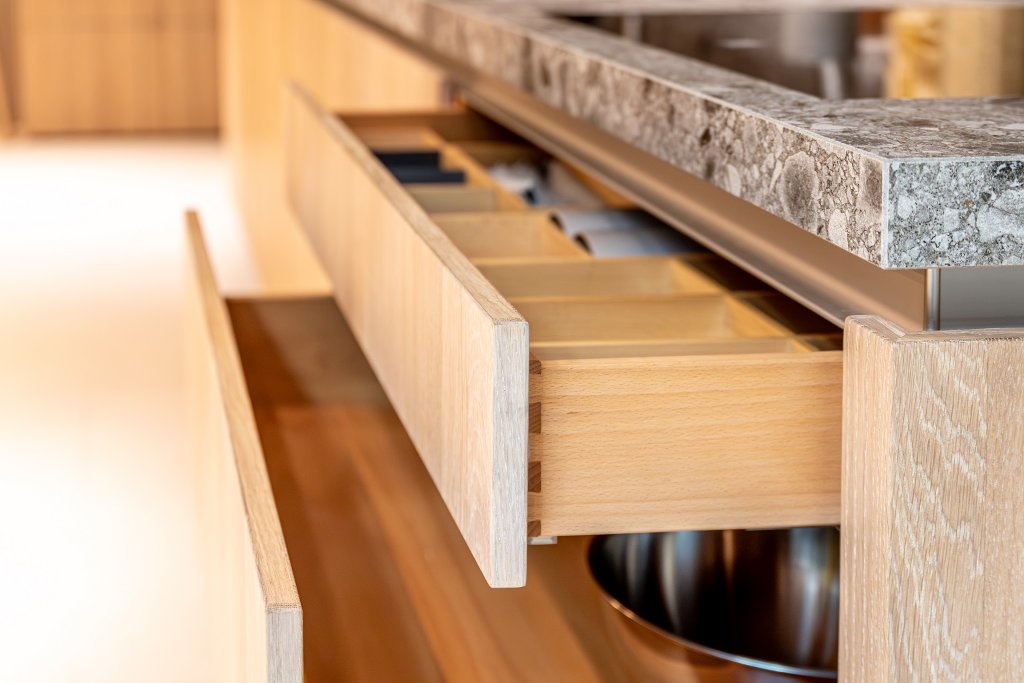
Substrate selection matters because the wrong core can telegraph movement, fail at edges, or break down under repeated impact. Finish strategy matters because high-touch areas wear differently than feature faces. Joinery and internal structure matter because large desks often combine decorative cladding, work surfaces, equipment cutouts, and multiple installation sections that must align precisely in the field.
Then there is the issue of use intensity. A reception desk in a boutique office and one in a busy medical facility may look equally refined, but they should not necessarily be built the same way. The right approach depends on traffic, cleaning protocols, security requirements, staffing patterns, and maintenance expectations. Premium fabrication is not about overbuilding everything. It is about building to the actual demands of the environment.
Design intent has to survive production
This is where many projects lose quality. A concept may call for wrapped corners, integrated lighting, fluted panels, metallic accents, stone transaction tops, or layered material transitions. Those ideas can work beautifully, but only if they are translated into fabrication-ready details.
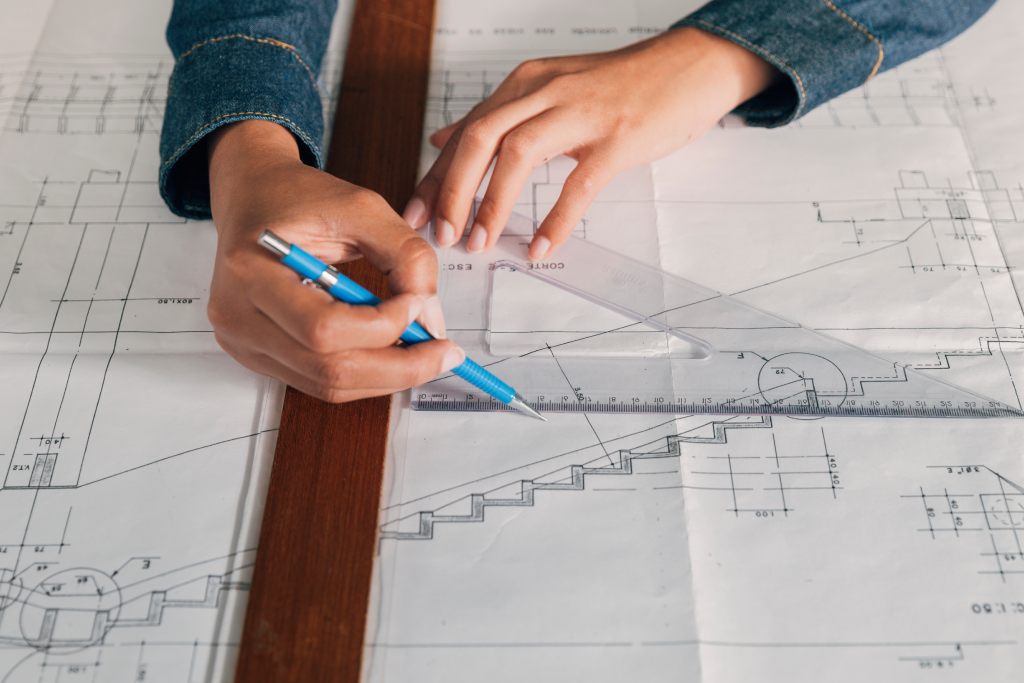
That translation requires more than drafting. It requires understanding tolerances, edge conditions, sequencing, and how materials behave under manufacturing and installation conditions. A profile that looks crisp on paper may become fragile at scale. A reveal that appears even in elevation may be difficult to hold if adjacent trades are not coordinated. Good fabrication protects the design intent by making it buildable.
The planning phase that saves time later
The strongest reception desks are resolved before production begins. That sounds obvious, but on fast-moving commercial projects, millwork is often expected to absorb late decisions from multiple stakeholders. The result is usually rework, schedule pressure, or compromises that show up in the finished desk.
A disciplined planning process starts with actual use. How many staff members will work behind the desk? What equipment must be housed or concealed? Does the desk need secure storage, printers, badge access hardware, undercounter refrigeration, or package handling zones? Are there standing and seated transaction points? Is there a dedicated ADA position, and is it integrated naturally into the design rather than added as an afterthought?
From there, materials and detailing can be selected with purpose. Veneer, laminate, solid surface, metal, painted MDF, stone, and specialty surfacing all bring different strengths. Veneer offers warmth and sophistication but may need more protection in impact-prone zones. Laminate can perform extremely well in high-traffic settings with the right specification. Painted finishes can create a sharp visual statement, but they require careful substrate prep and realistic expectations around touch-up and wear.
Coordination is part of fabrication quality
Reception desks rarely exist alone. They intersect with flooring transitions, electrical rough-ins, low-voltage devices, wall finishes, lighting, and signage packages. If those interfaces are not coordinated, even a well-manufactured desk can run into field issues.
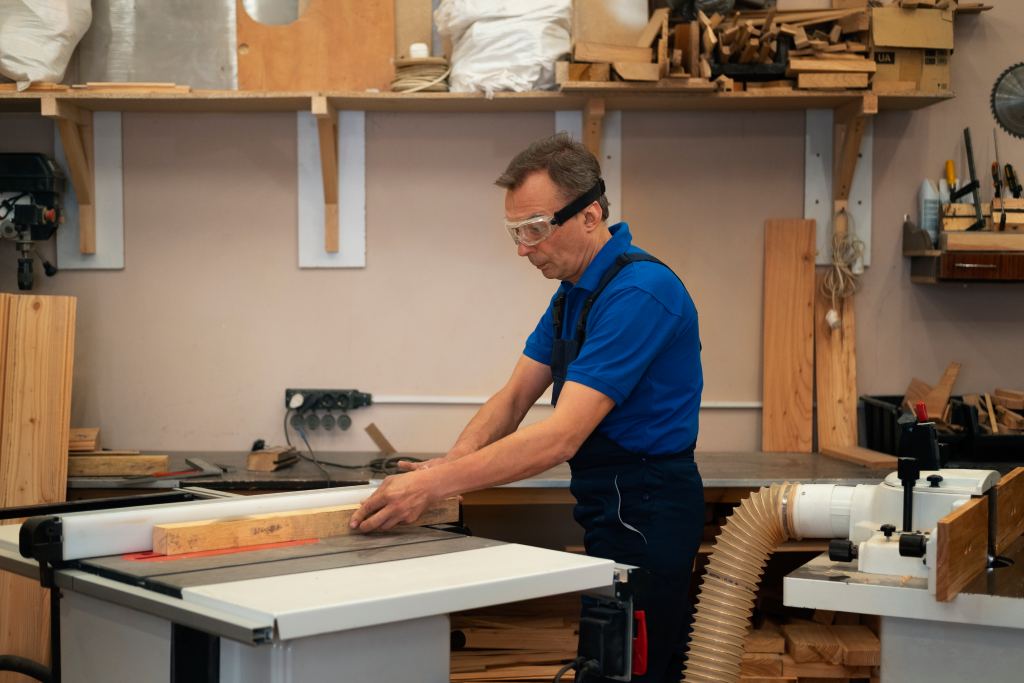
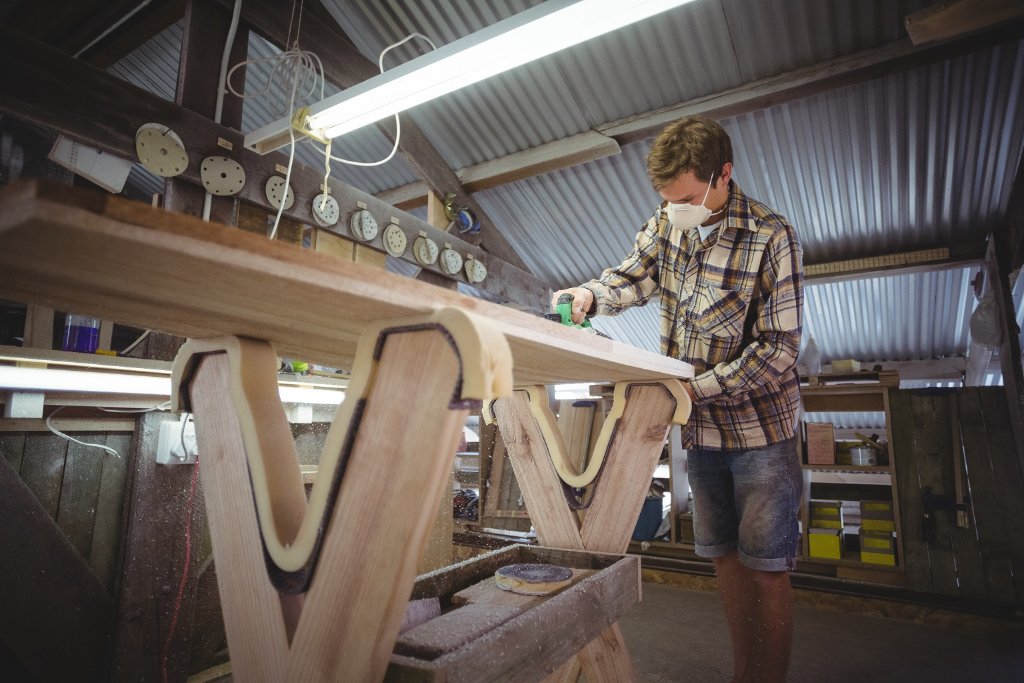
This is especially true for large or multi-piece desks that must be delivered in sections, assembled on site, and aligned to surrounding architecture. Site conditions, access routes, floor flatness, and installation sequencing all influence how the desk should be engineered. That is one reason commercial teams benefit from working with a fabrication partner that understands both shop production and field execution.
Custom reception desk fabrication for different project types
Not every reception desk should solve the same problem. The best results come from matching fabrication strategy to the environment.
In corporate offices, the desk often needs to communicate brand presence without overwhelming the lobby. Clean geometry, integrated technology, concealed storage, and a restrained material palette usually matter more than ornamental complexity. In hospitality, the desk may need to feel more immersive, with richer finishes, layered textures, and a stronger sense of arrival. In healthcare, priorities often shift toward durability, cleanability, privacy, and clear staff workflow. In retail and mixed-use settings, the desk may need to support customer service, merchandising adjacency, and flexible traffic patterns.
These differences affect everything from material selection to edge protection to transaction top design. They also change how the desk is lit, how it is staffed, and how service zones are organized behind the public face.
Cost, schedule, and the trade-offs worth making
Custom fabrication gives project teams more control, but it also demands clearer decisions. Cost is not driven only by size. It is shaped by finish complexity, radius work, specialty materials, integrated lighting, hardware, stone, metal detailing, and installation conditions.
There are also schedule implications. A fully custom desk requires design development, shop drawings, approvals, production time, finishing, delivery, and installation coordination. That timeline is manageable when accounted for early. It becomes difficult when the desk is treated as a late-stage decorative item instead of a core architectural component.
The smart trade-off is not always spending more. Sometimes it means investing in the visible or high-contact areas and simplifying concealed components. Sometimes it means choosing a high-performing laminate where a painted finish would be harder to maintain. Sometimes it means breaking a desk into efficient fabrication modules without sacrificing the visual continuity of the final installation. Good value engineering protects the front-of-house experience instead of flattening it.
What to look for in a fabrication partner
If the reception desk is central to the space, the fabricator should be able to do more than price drawings. Commercial project teams need a partner that can review intent critically, identify buildability concerns, recommend material strategies, and coordinate fabrication with installation realities.
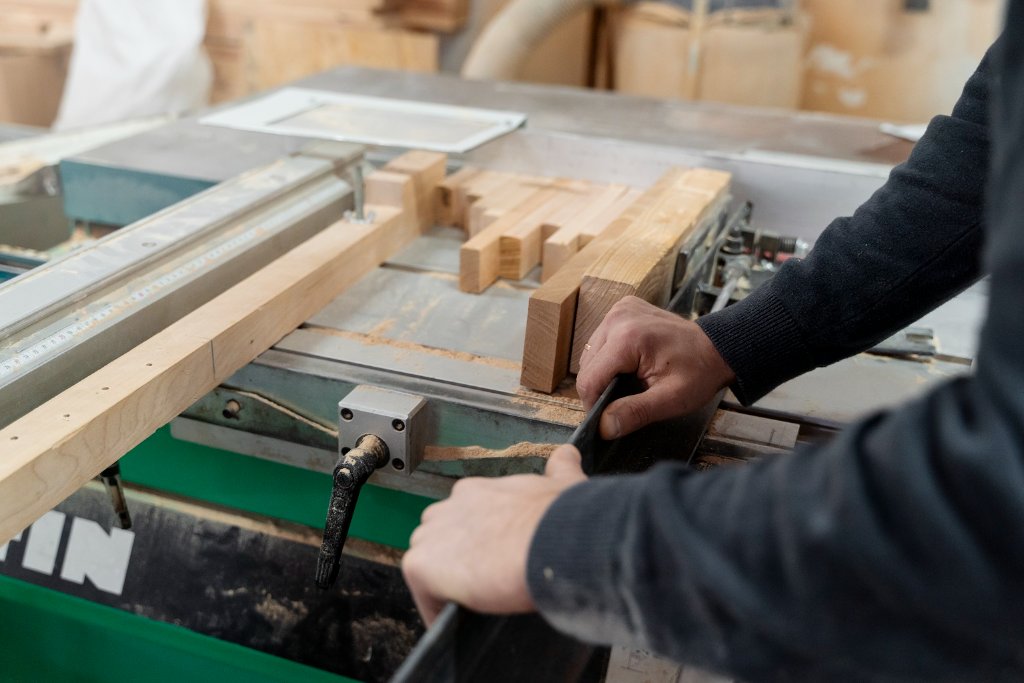
That includes CNC capability, finish discipline, commercial-grade production methods, and a clear approach to submittals and field verification. It also includes the judgment to know when a detail should be refined before it reaches the shop floor. For architects, designers, contractors, and developers, that kind of partnership reduces friction throughout the project.
For Texas commercial interiors, where projects often move quickly and conditions vary by market, that combination of design sensitivity and production control matters. A desk may be the first element visitors notice, but for the project team, it is also a test of coordination, execution, and finish quality. Companies like Einstein Millworks are positioned around that intersection - custom fabrication, production precision, and installation support aligned to commercial delivery.
Where the best reception desks really succeed
The most successful reception desks do not call attention to the compromises behind them. They look resolved because they are. Branding feels integrated, staff can work efficiently, visitors understand where to go, and the finish quality holds up after opening day.
That outcome rarely comes from choosing the flashiest detail. It comes from making disciplined decisions early, fabricating to the realities of the space, and treating the desk as part of the built environment rather than a standalone fixture. If the front desk has to represent the space from day one, custom reception desk fabrication is not an embellishment. It is one of the clearest ways to make the first impression work as hard as the rest of the project.