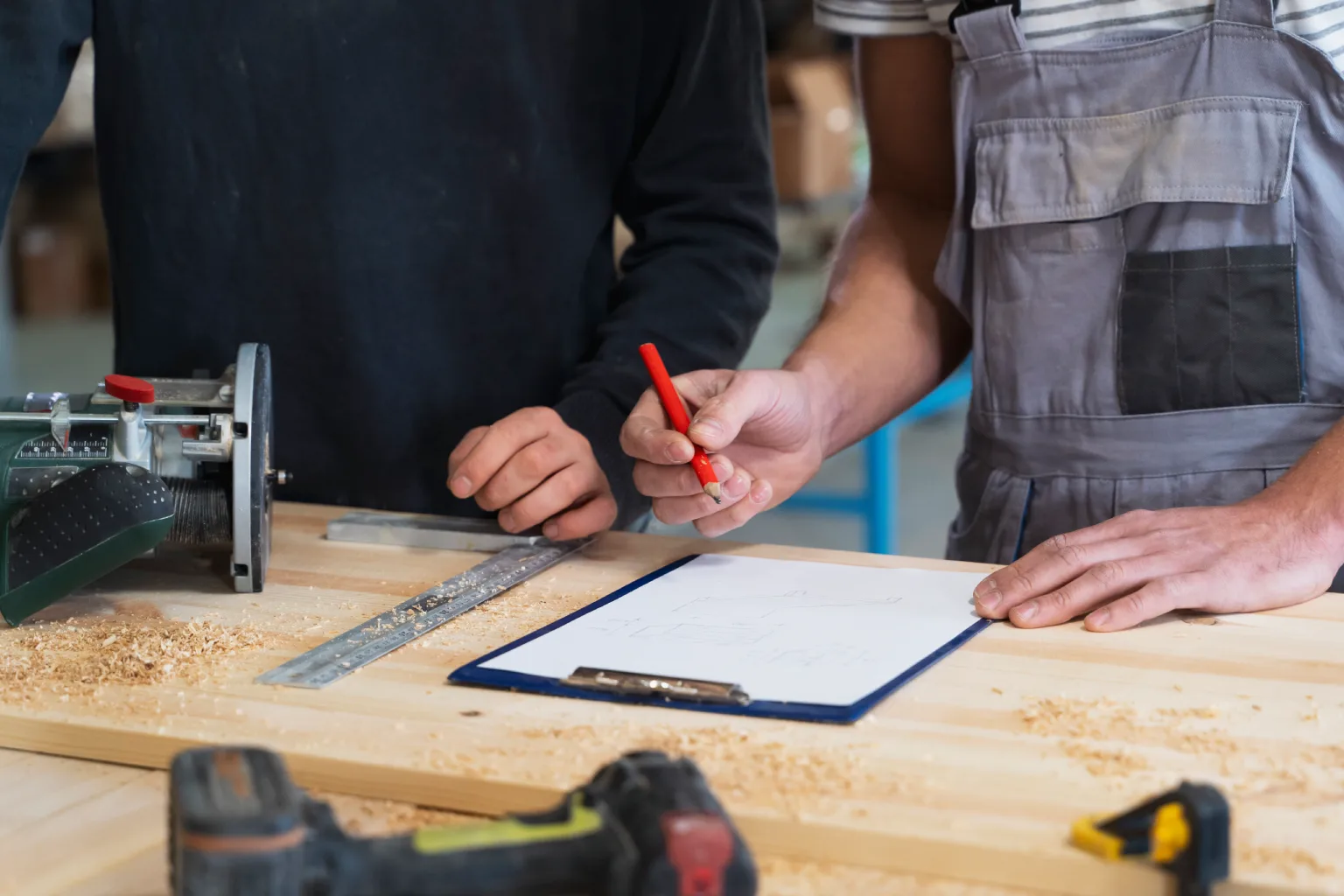
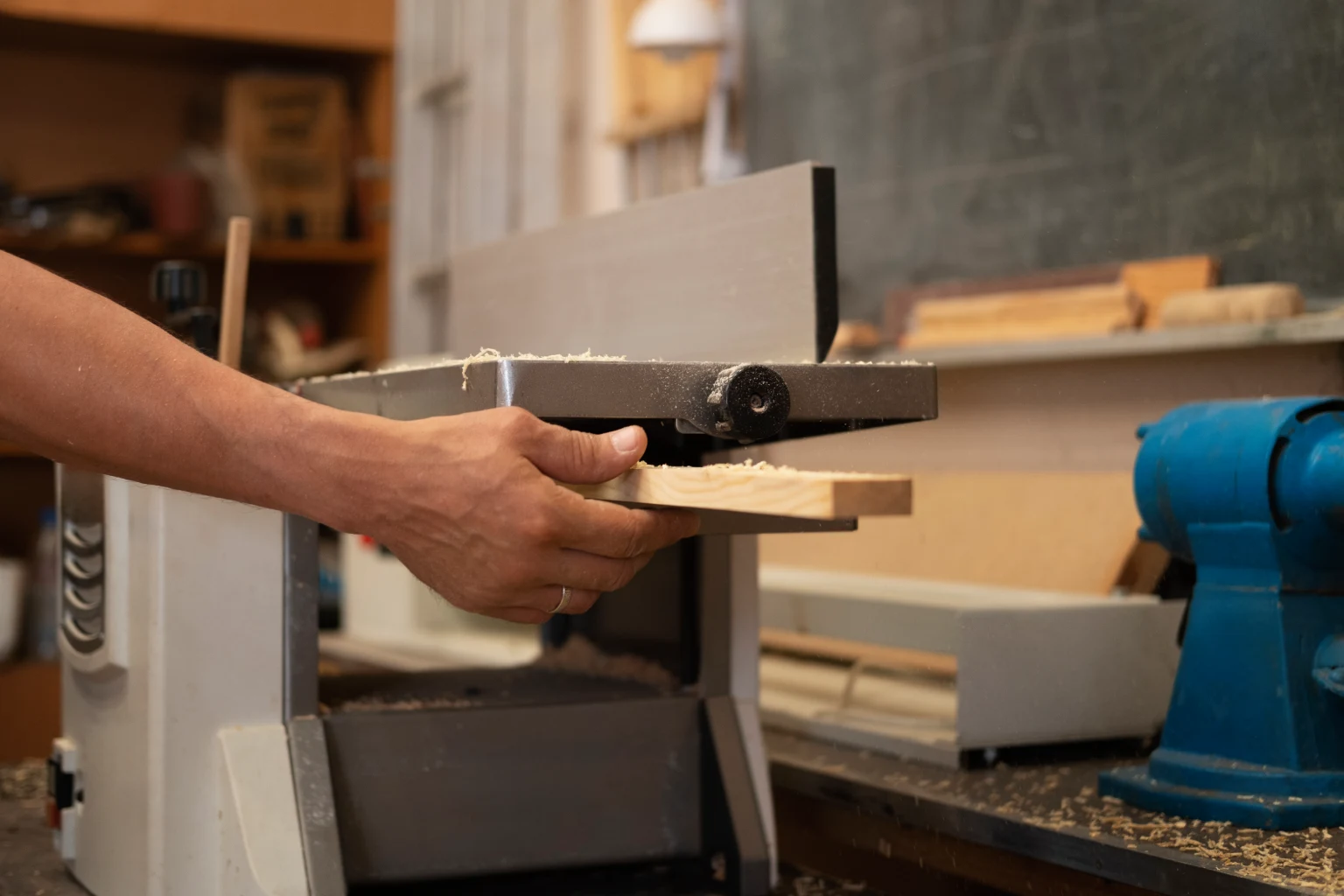
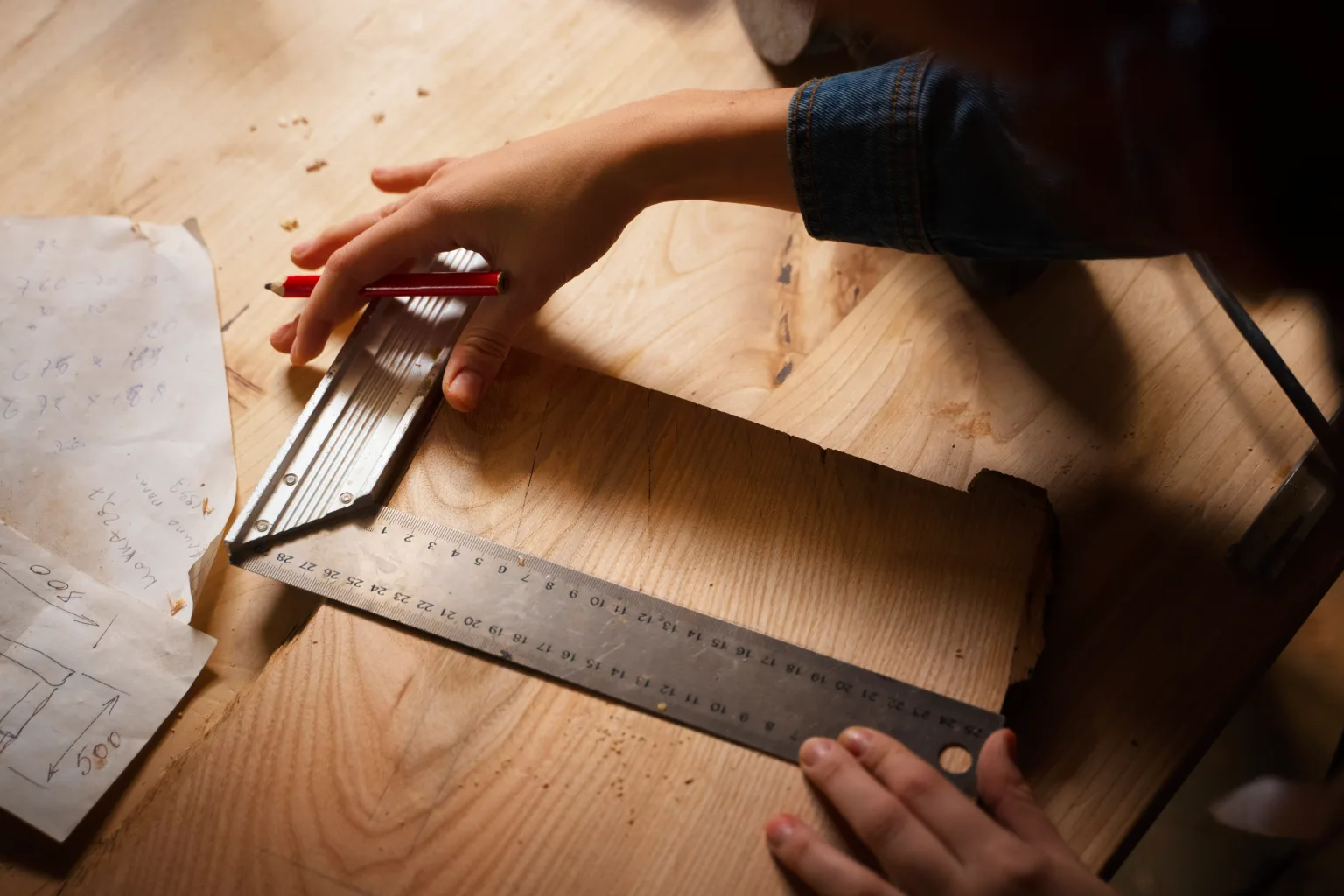
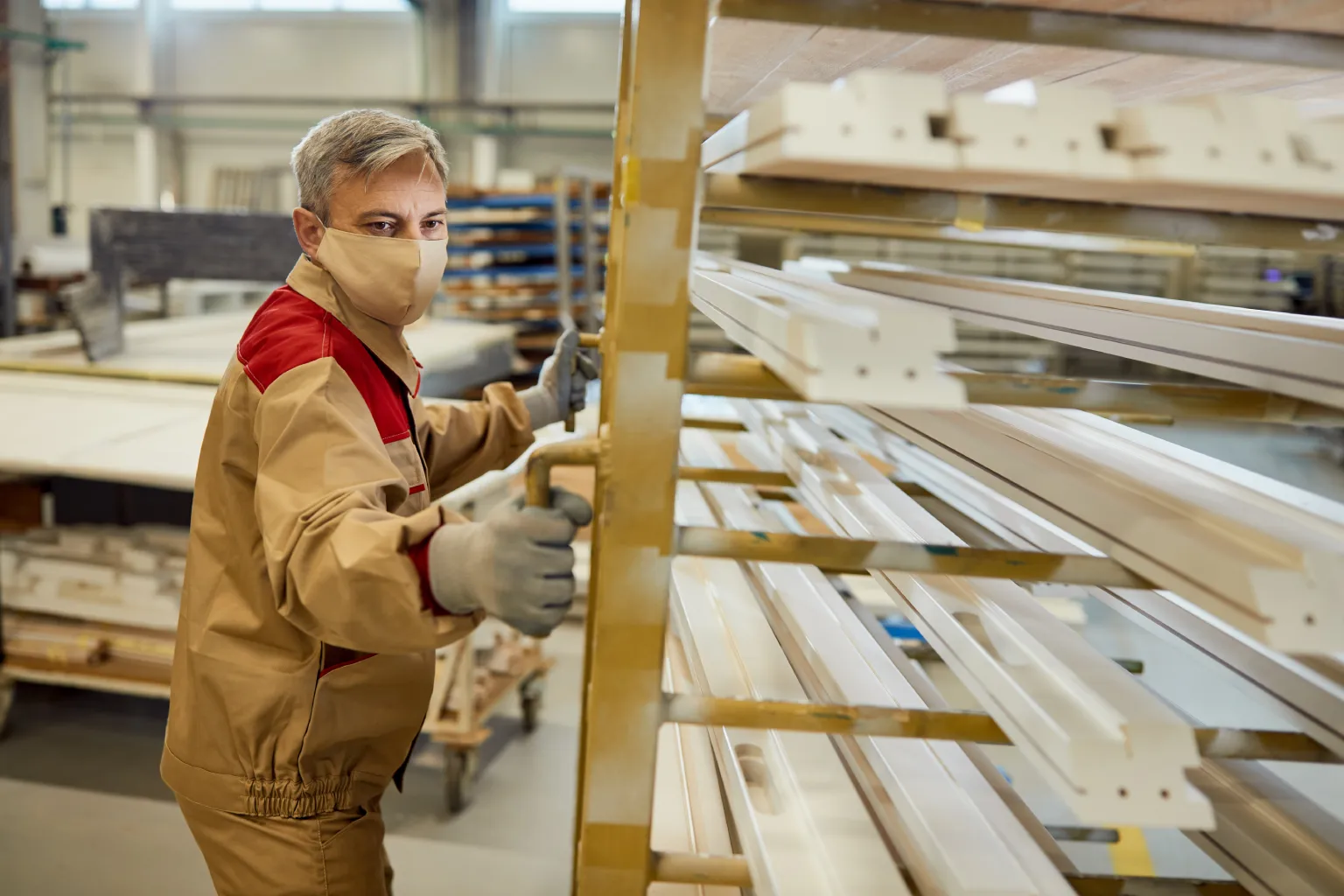
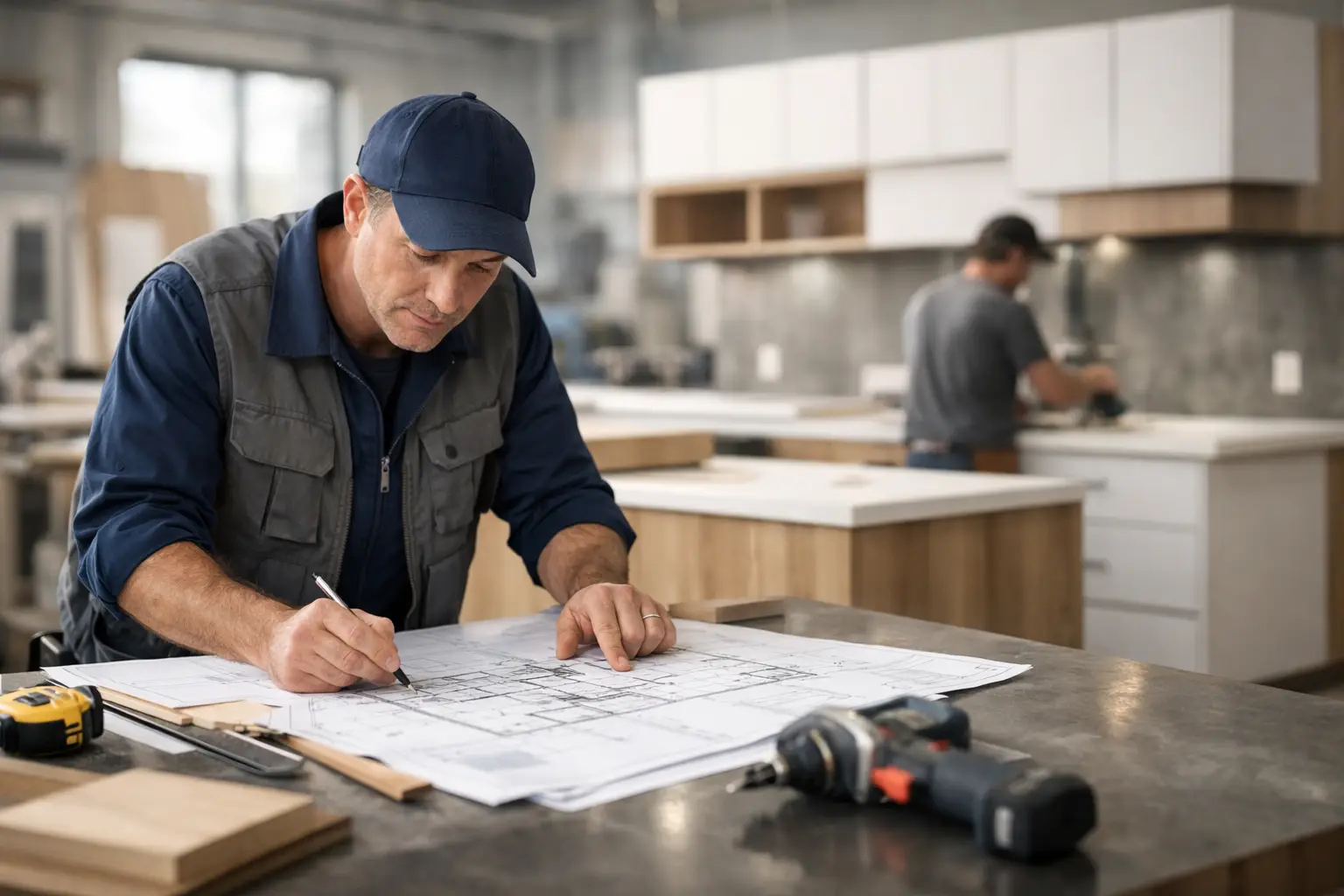
A commercial cabinet maker is rarely just building boxes. On serious projects, that scope expands fast - from interpreting design intent and engineering details to coordinating materials, manufacturing sequences, field conditions, and installation timing. If you are planning a retail rollout, hospitality interior, office build-out, healthcare space, or grocery remodel, the quality of that partner will shape more than the finished look. It will affect schedule control, site coordination, durability, and how closely the built environment matches the original vision.
That distinction matters because commercial work does not behave like residential cabinetry. The demands are broader, the tolerances are tighter, and the consequences of misalignment are more expensive. Commercial interiors often require a mix of custom cabinetry, architectural millwork, branded fixtures, specialty finishes, and installation sequencing that fits within a larger construction schedule. A shop that only thinks in terms of cabinets may not be set up for that level of coordination.
What a commercial cabinet maker is responsible for
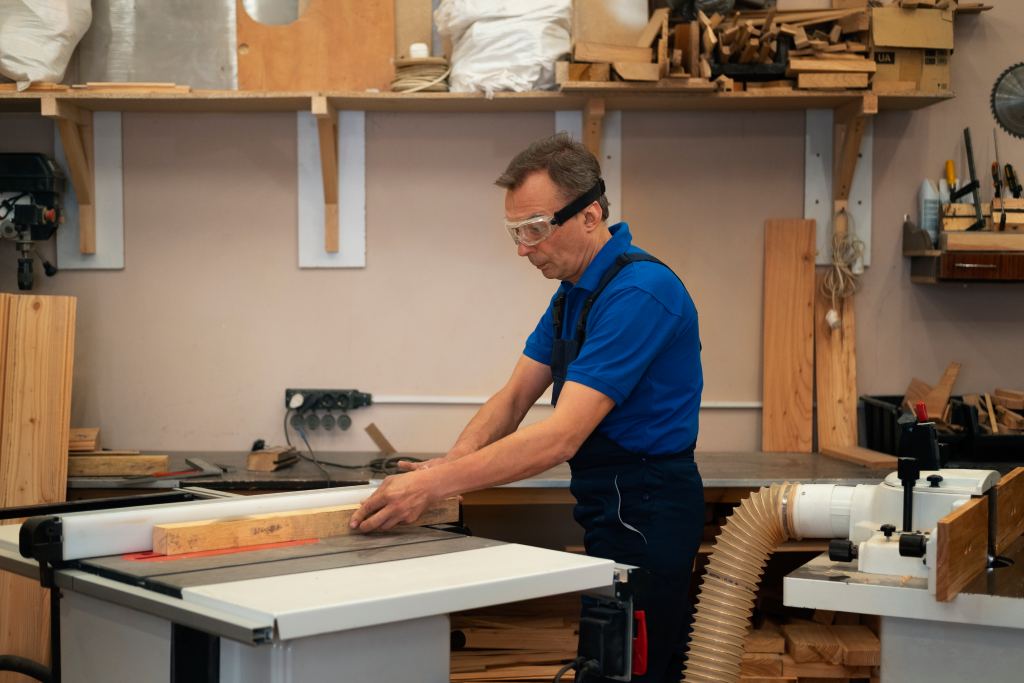
At the most basic level, a commercial cabinet maker fabricates casework and related millwork for business environments. In practice, the role is much more integrated. On a well-managed project, that partner helps translate drawings into manufacturable components, identifies conflicts before they hit the field, and builds products that satisfy both visual standards and real-world use.
That can include reception desks, built-in storage, feature walls, service counters, point-of-sale fixtures, back-of-house cabinetry, shelving systems, branded display elements, and custom architectural details. Depending on the project, the same team may also handle finish matching, hardware specification, field verification, delivery logistics, and installation.
For architects and designers, this means the cabinet maker is not simply a vendor. They are part of execution. For general contractors and developers, it means fewer handoff gaps between design, production, and site delivery. For operators, it means the finished environment is more likely to hold up under daily use while still supporting the intended brand experience.
Commercial cabinet maker vs. millwork partner
This is where many buyers run into a mismatch. The term commercial cabinet maker sounds narrow, but many projects need a broader millwork partner with cabinet expertise at the core. The difference is not semantic. It affects what can be delivered, how details are resolved, and whether the shop can support custom environments at scale.
A cabinet-focused shop may be excellent at producing casework yet less equipped for architectural wall treatments, custom fixture fabrication, integrated signage elements, or phased rollout support. A full-service millwork partner can usually move more comfortably between cabinetry, specialty fabrication, and installation logistics. That becomes especially valuable when a project includes multiple finish types, custom dimensions, branded design elements, or nonstandard field conditions.
In Texas markets where projects often move quickly and cover large footprints, that broader capability can remove friction. Instead of dividing responsibility across separate fabricators, contractors can work with one source that understands the whole package.
Why commercial projects demand more precision
Commercial environments put millwork under a different kind of pressure. There is visual pressure because these spaces often represent a brand, a guest experience, or a client-facing environment. There is operational pressure because the work must perform under higher traffic and repeated use. And there is scheduling pressure because cabinetry and millwork are usually tied to several other trades.
That is why material selection, detailing, and production planning matter so much. A finish that looks perfect in a sample may not be right for a grocery store service area. A dramatic feature wall may need hidden access panels, mechanical coordination, or fire code considerations. A sleek reception desk may require integrated power, lighting, and ADA compliance. None of these issues are unusual, but they do require a commercial mindset.
The best outcomes happen when the fabrication team understands both appearance and use. A design-forward interior still has to survive carts, cleaning products, heavy touchpoints, fluctuating occupancy, and day-to-day wear. Premium work is not just beautiful. It is engineered to last in the environment it serves.
What to look for in a commercial cabinet maker
Capability should be evaluated beyond a portfolio gallery. Attractive finished photos matter, but they do not tell you how a shop performs under deadline, handles revisions, or manages complex installations.
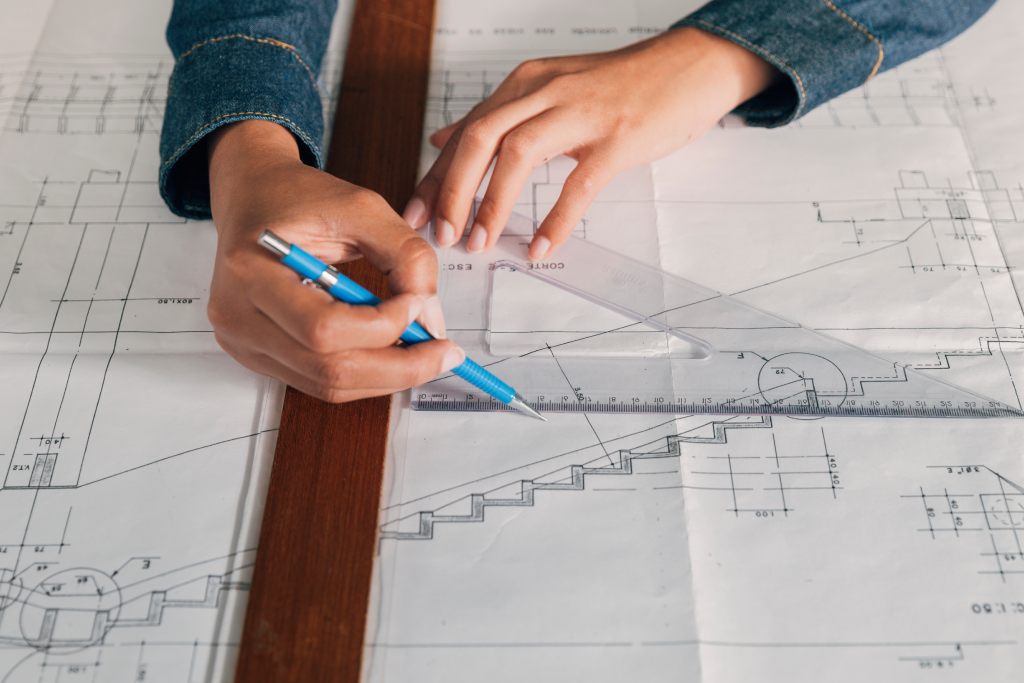
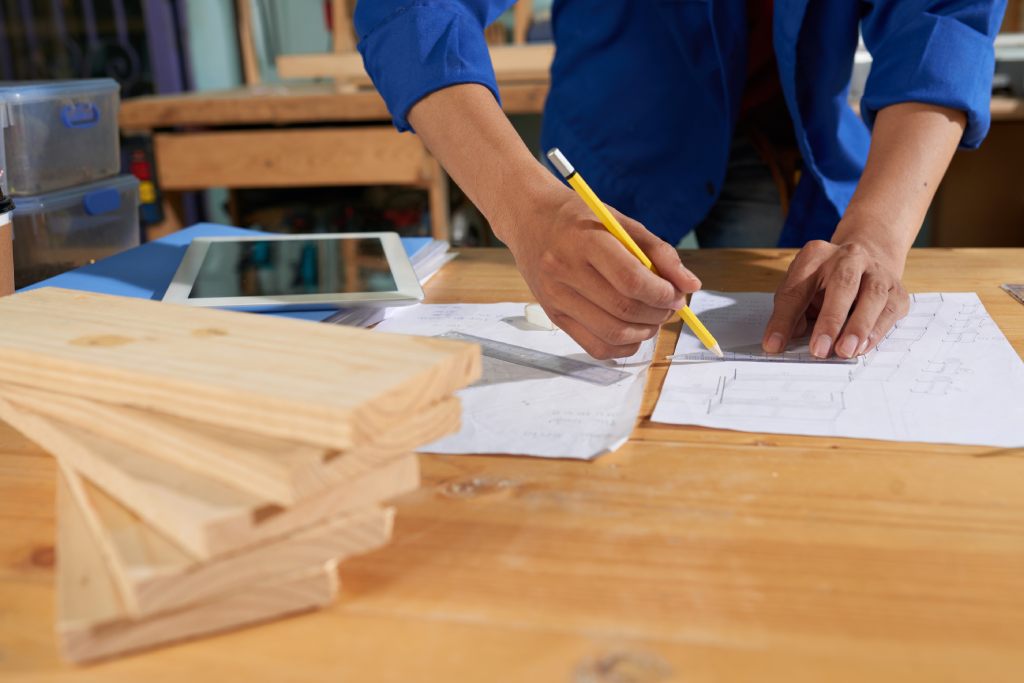
Start with process. Can the team review drawings critically, clarify scope early, and identify details that need refinement before production starts? Commercial work rewards proactive communication. Problems caught in submittals or preproduction are far less costly than problems discovered on site.
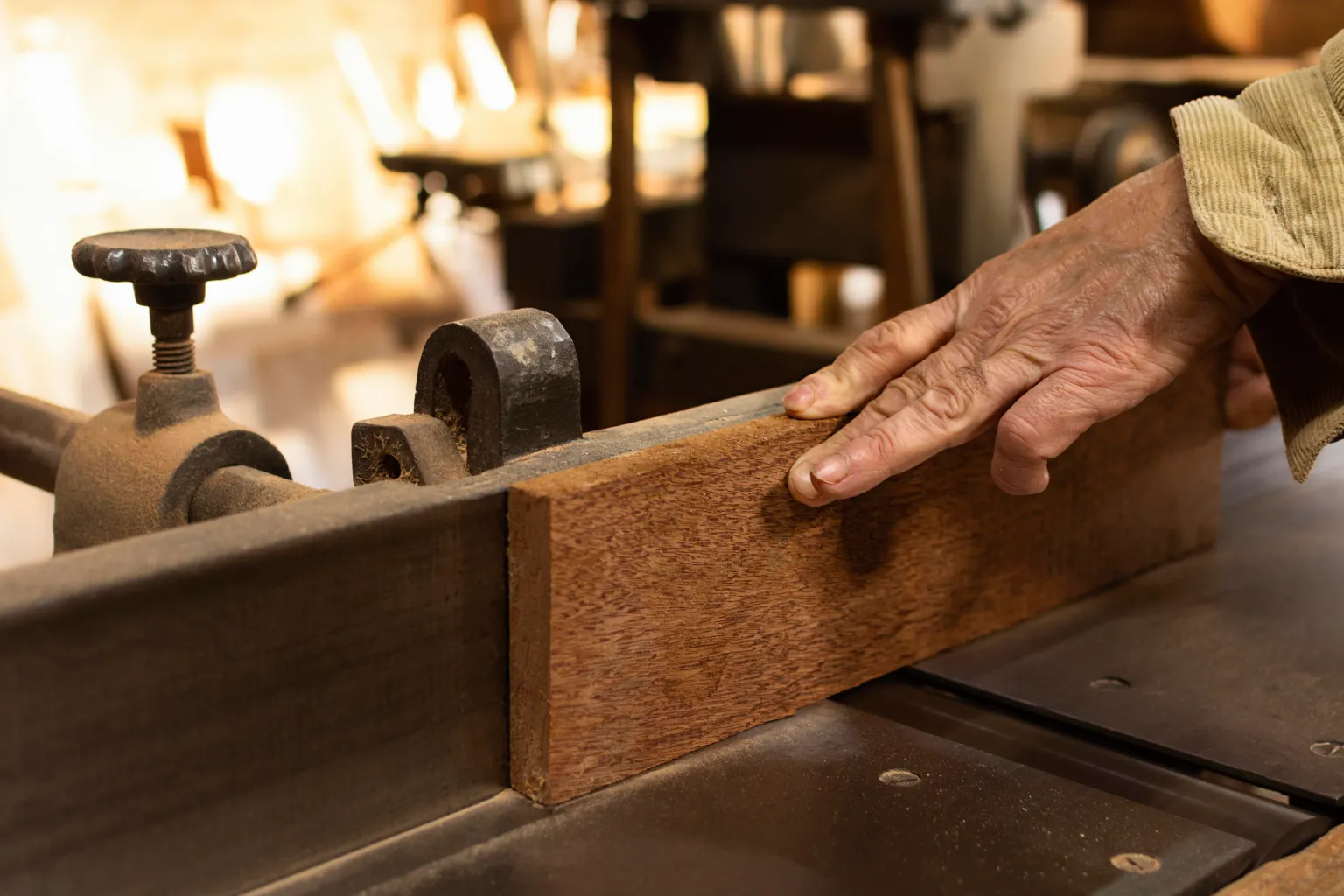
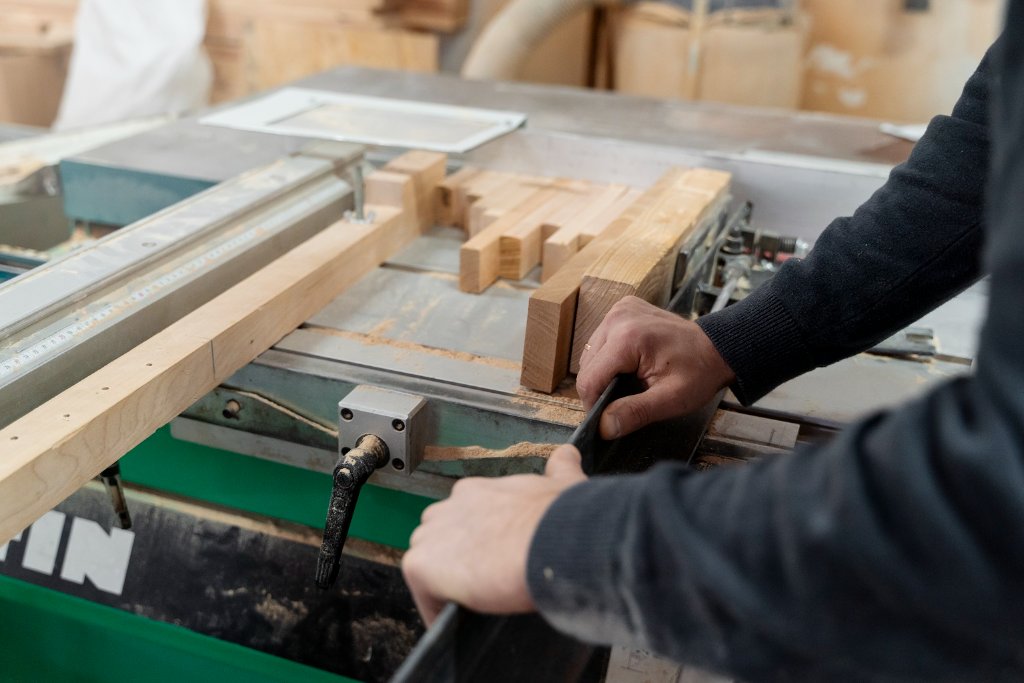
Next, look at manufacturing depth. CNC capability, repeatable production systems, and experienced fabrication teams all matter, especially for multi-unit or high-spec work. This is not about replacing craftsmanship with automation. It is about combining precision manufacturing with custom execution.
Installation should also be part of the conversation. Even excellent millwork can fail to perform if field measurement, delivery coordination, or install sequencing is weak. On active jobsites, that final phase is where many schedules tighten. A team that understands both fabrication and installation can often protect quality more effectively.
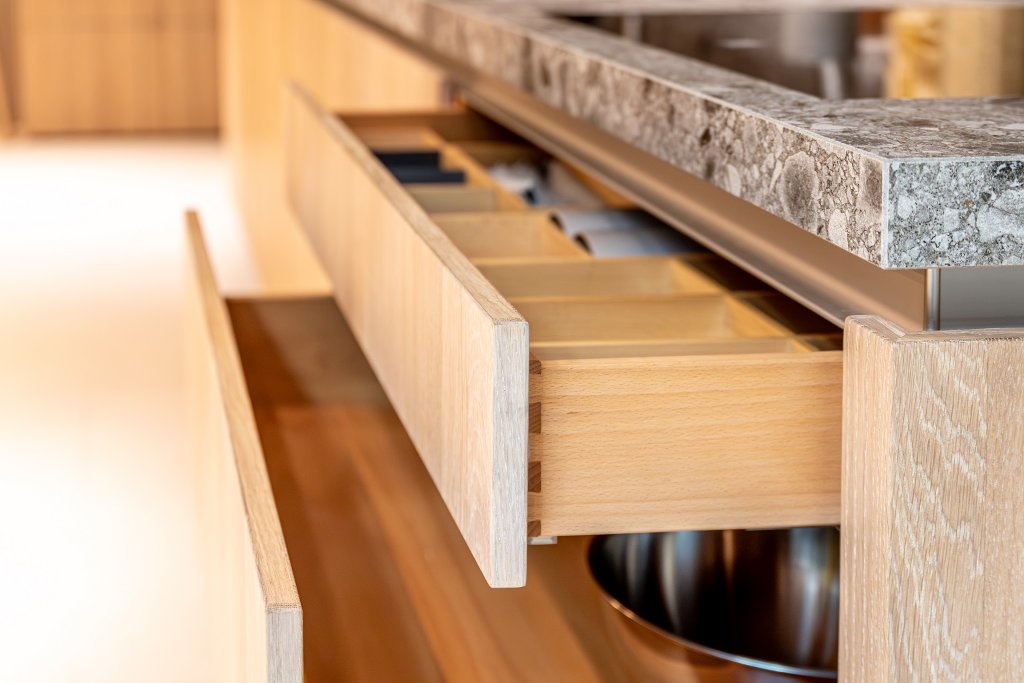
Finally, pay attention to finish quality and detailing discipline. Clean reveals, consistent edges, hardware alignment, and material transitions are small decisions that shape the overall impression of a space. In premium interiors, those details are not secondary. They are the work.
Where projects succeed or stall
Most commercial millwork problems are not caused by one major failure. They come from small disconnects that compound over time. Incomplete information at bidding turns into pricing gaps. Unresolved details move into production. Field conditions shift. The installation window narrows. Then everyone is solving avoidable problems under pressure.
A strong commercial cabinet maker helps control that chain reaction. They ask better questions early. They flag tolerances, lead times, finish limitations, and sequencing issues before fabrication begins. They also know when a detail should stay exactly as designed and when it needs a practical adjustment to perform in the field.
This is where experience shows. Not every project needs the same level of customization, and not every custom feature justifies the same manufacturing approach. Sometimes a highly bespoke element is essential to the space. Sometimes a smarter standardization strategy protects schedule and budget without changing the design intent in any meaningful way. Good partners know the difference.
The value of design alignment
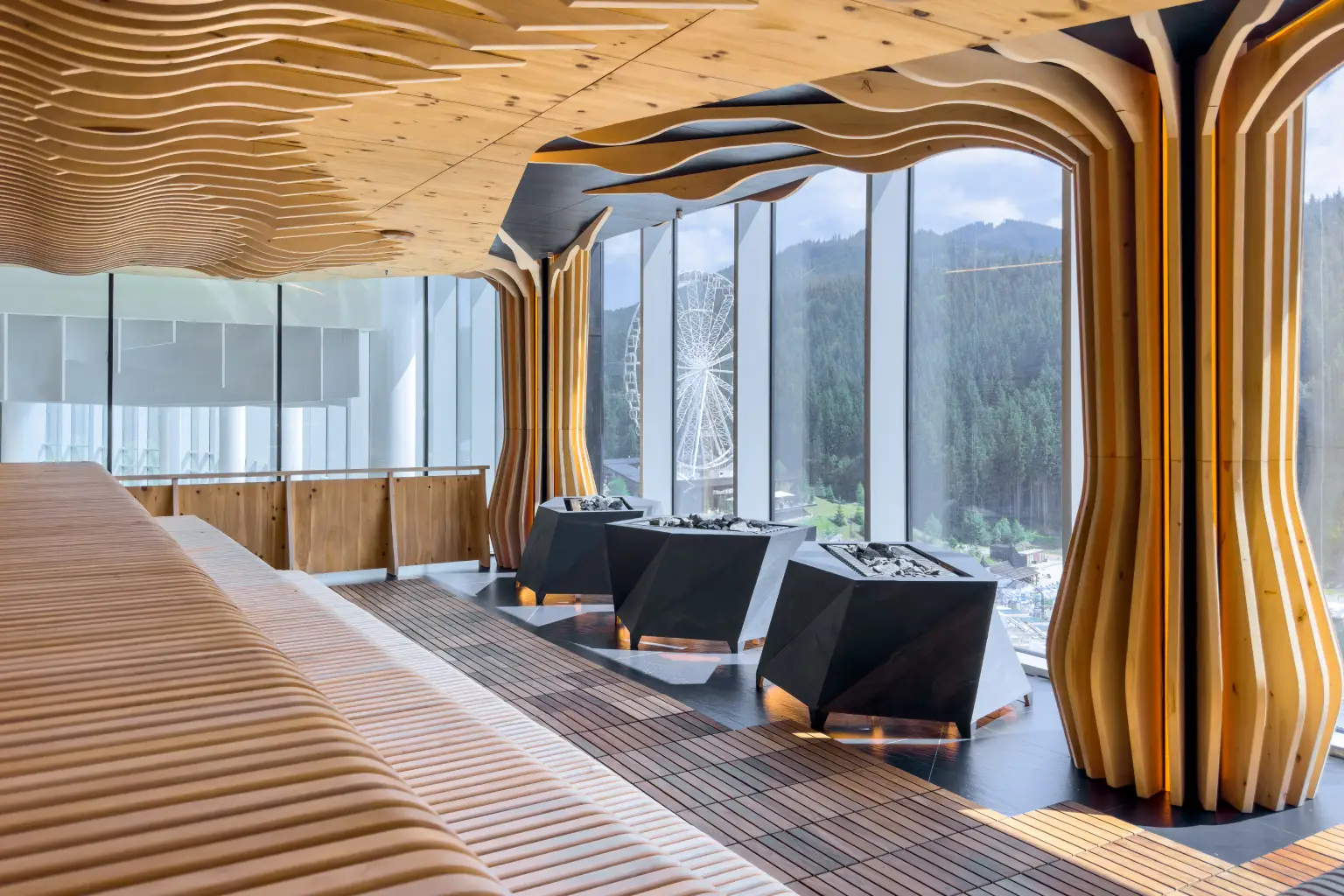
Commercial interiors are increasingly brand-driven. Whether the space is a boutique retail environment, a hospitality concept, a corporate lobby, or a specialty grocery setting, the millwork often carries a large share of the visual identity. It frames products, guides circulation, supports service, and creates moments of distinction.
That raises the standard for fabrication. The cabinet maker needs to understand not only dimensions and materials, but also what the space is trying to communicate. Sharp modern lines, warm natural textures, minimal detailing, heavy-use surfaces, integrated storage, and concealed utility access all require different decisions in engineering and production.
When the fabrication partner understands design intent, the result feels more resolved. The space reads clearly because the details are working together rather than competing. That is especially important on custom commercial projects, where the goal is rarely to install something generic. The goal is to build something specific and make it perform.
For teams looking for that level of coordination, Einstein Millworks operates as a fabrication and installation partner built around custom interior execution, not commodity cabinet output.
Choosing for the long term
Price always matters, but low numbers can hide risk in commercial cabinetry. A quote may exclude installation complexity, finish coordination, specialty hardware, site conditions, or production realities that surface later. On paper, two proposals can appear similar while representing very different levels of planning and accountability.
The better question is whether the partner can deliver the project the way it actually needs to be delivered. That means understanding scope, anticipating pressure points, and executing with consistency from submittals through installation. If the project is highly visible, highly customized, or operationally sensitive, the cheapest path is often not the most economical one.
A commercial cabinet maker should reduce uncertainty, not add to it. When that partner combines design awareness, technical manufacturing, and field execution, the project moves with more control and the finished space holds its standard longer.
That is usually what sophisticated buyers are really purchasing - not cabinets alone, but confidence that the built result will meet the room, the brand, and the schedule it was meant to serve.