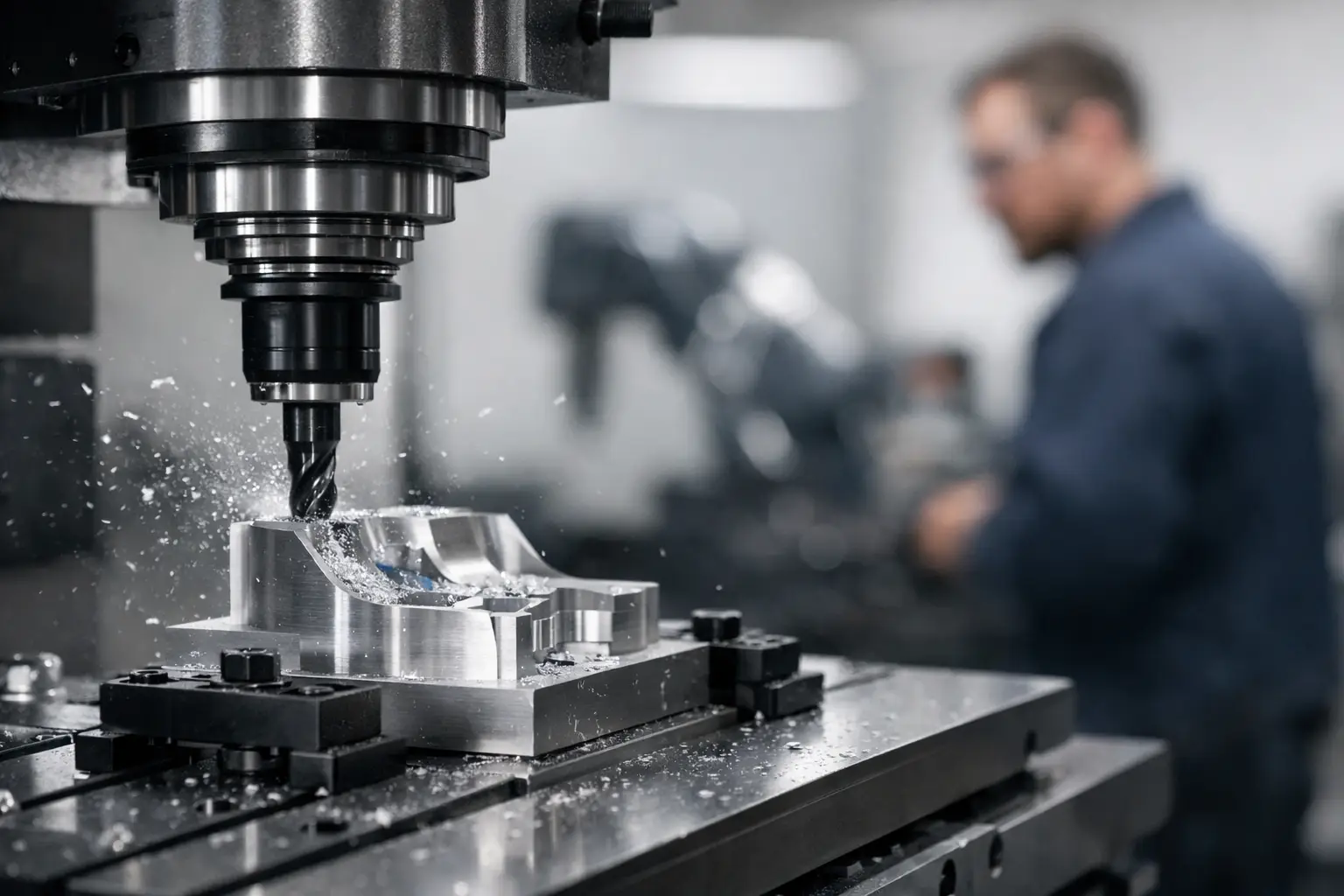
A curved reception desk that fits on paper can still fail on site by a quarter inch. A branded retail wall can look perfect in a rendering and then lose its impact if reveals drift, laminates misalign, or field modifications pile up. That is where cNC millwork fabrication changes the equation. For commercial interiors and design-driven spaces, it brings a higher level of control to how custom cabinetry, architectural millwork, and fixtures are built before they ever reach installation.
For architects, designers, contractors, and operators, the value is not just speed. It is repeatability, cleaner coordination, and a much tighter connection between design intent and finished product. When projects involve multiple materials, custom dimensions, branded details, or rollout schedules, that level of control matters.
Why cNC millwork fabrication matters on complex projects
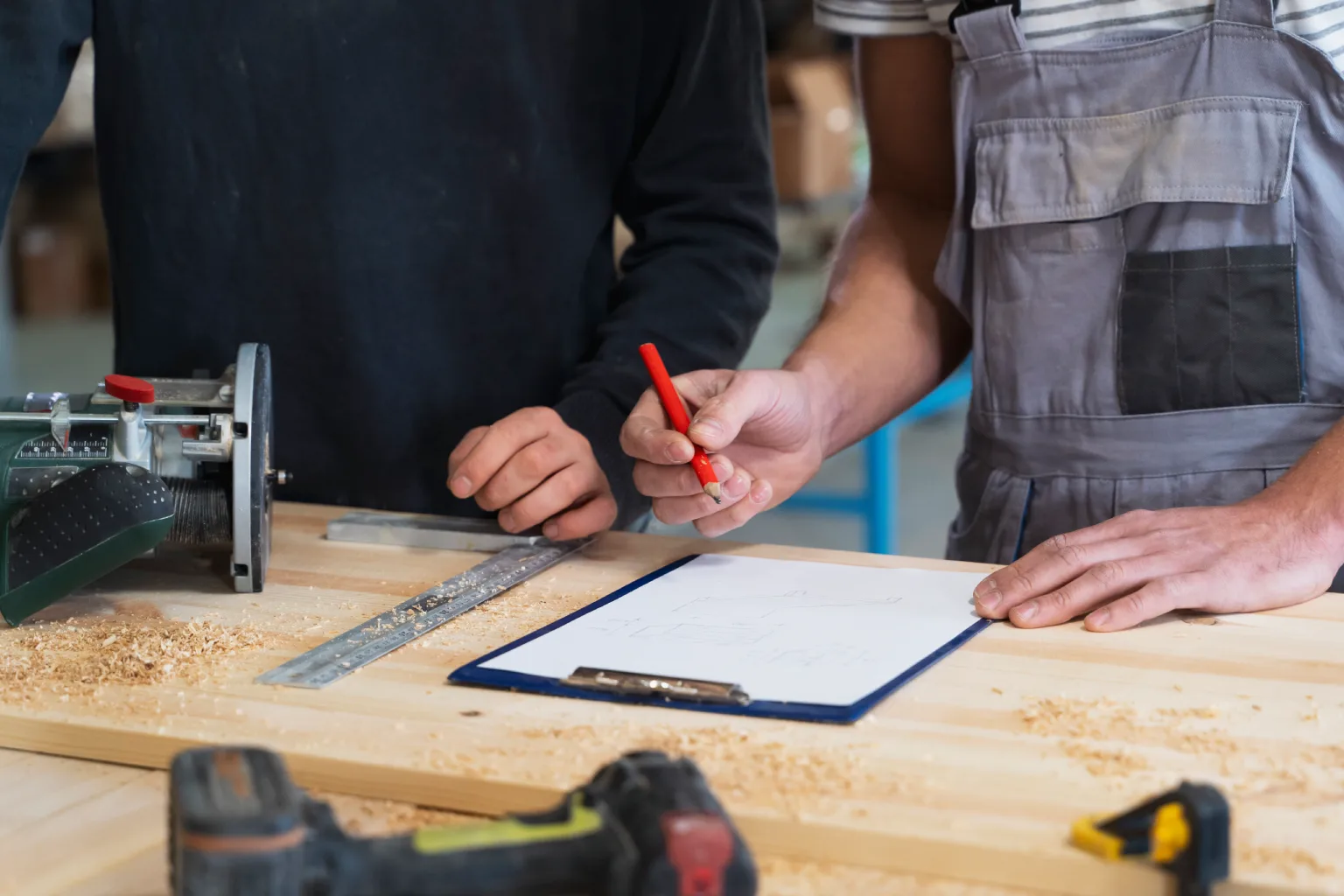
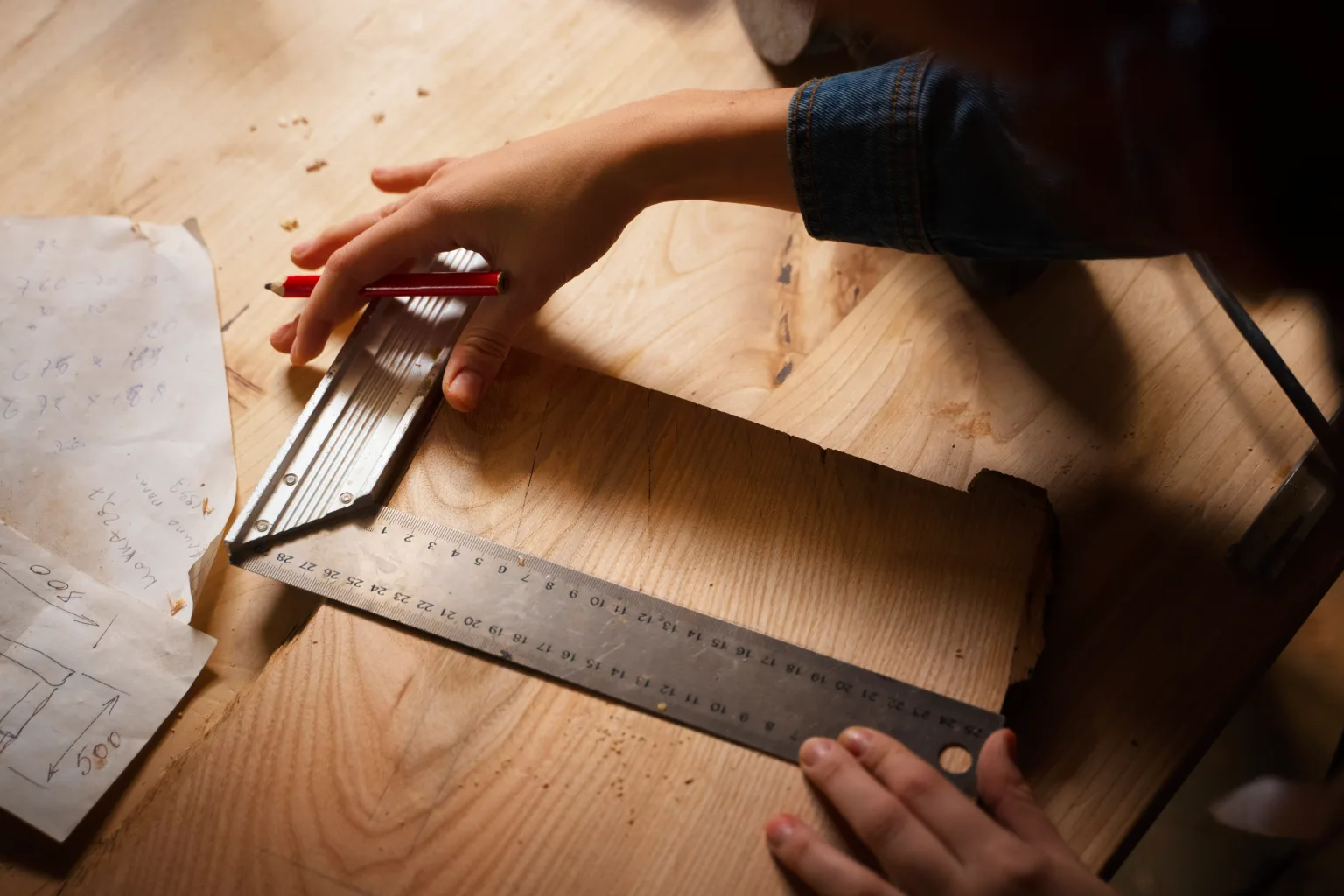
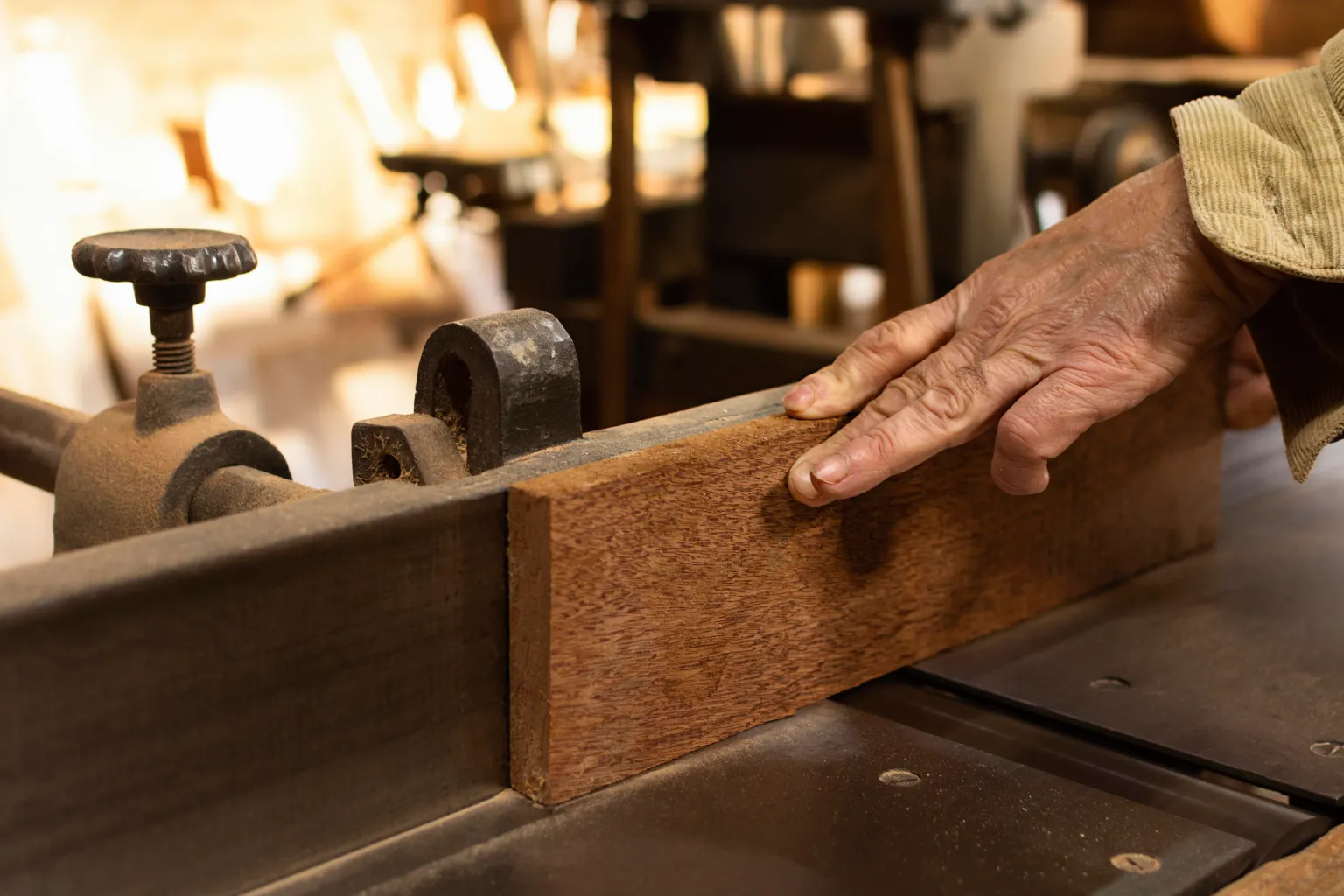
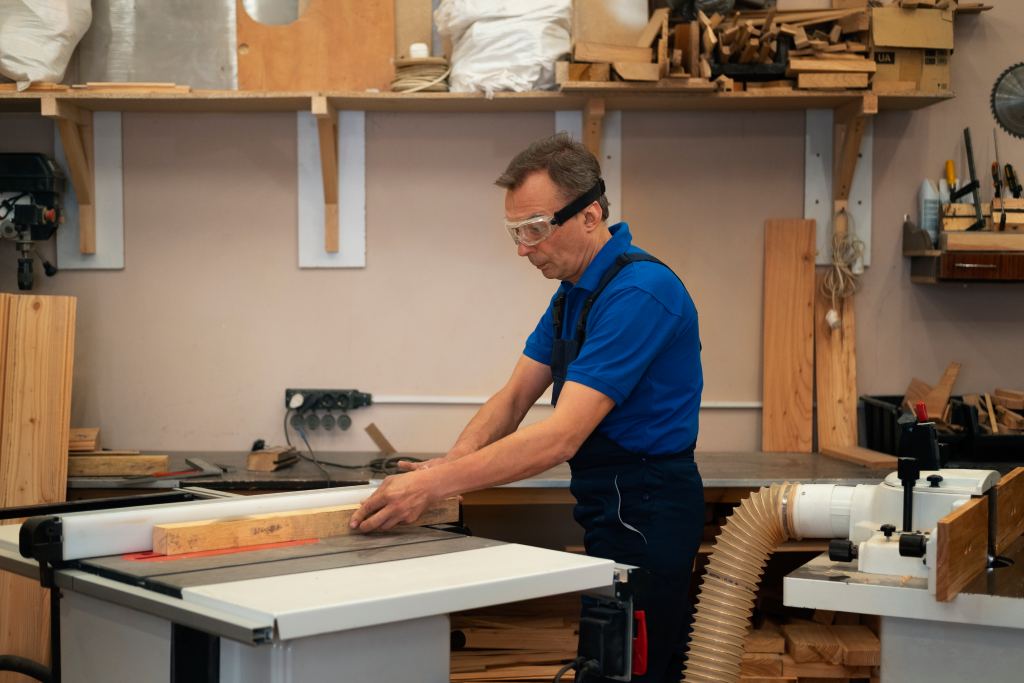
In a basic shop environment, fabrication often depends heavily on manual layout, hand-cutting, and field adjustment. Skilled craftspeople can produce excellent work that way, but the process leaves more room for variation. On a commercial project with dozens or hundreds of components, small inconsistencies become visible fast.
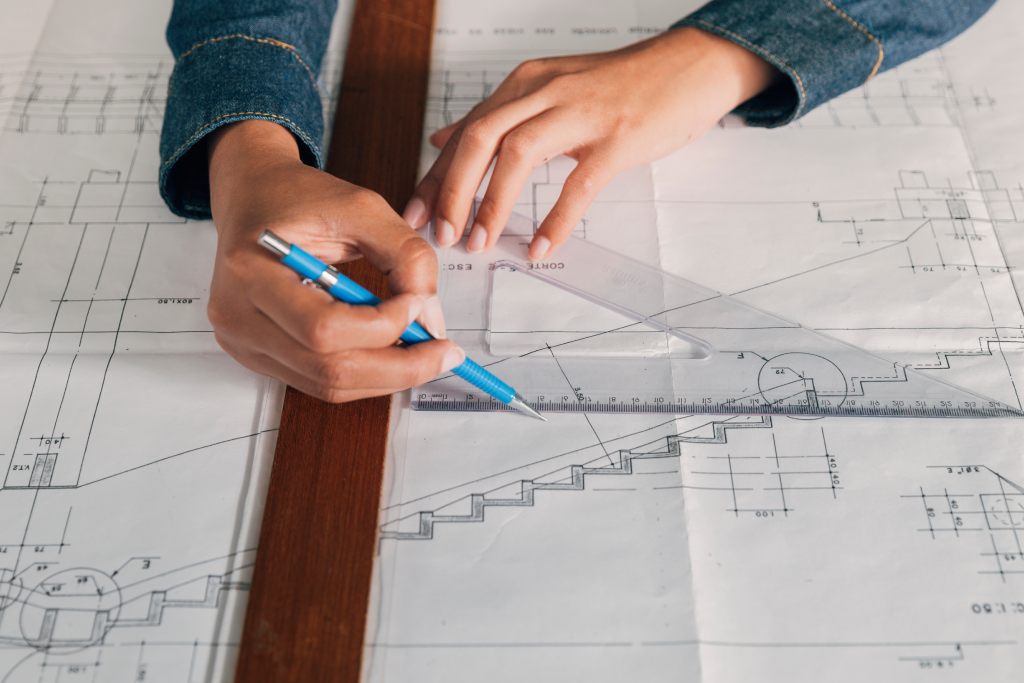
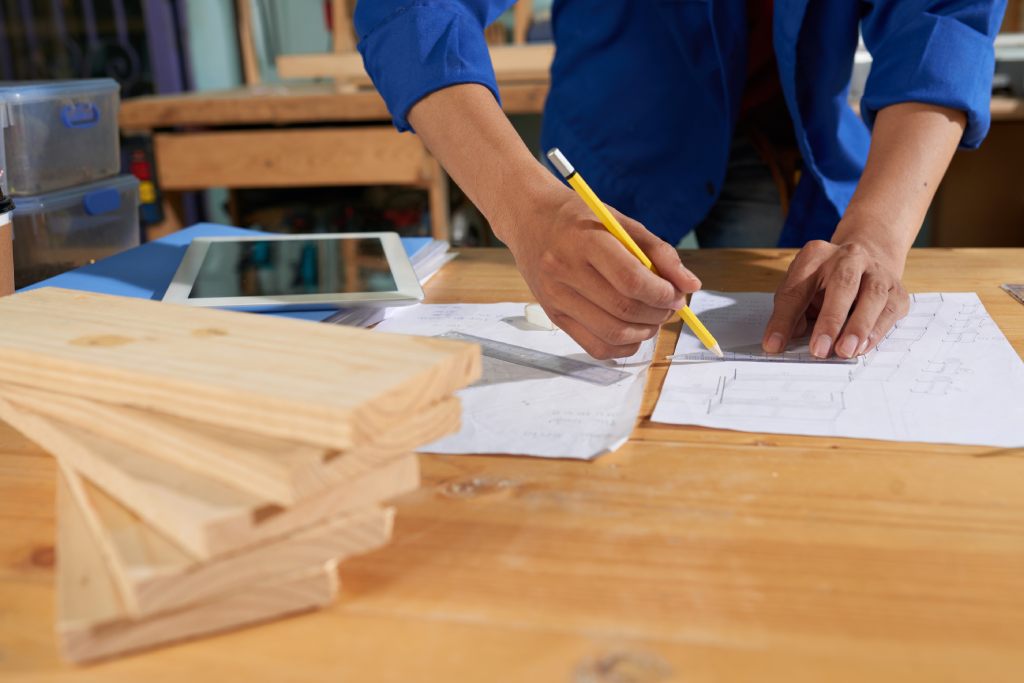
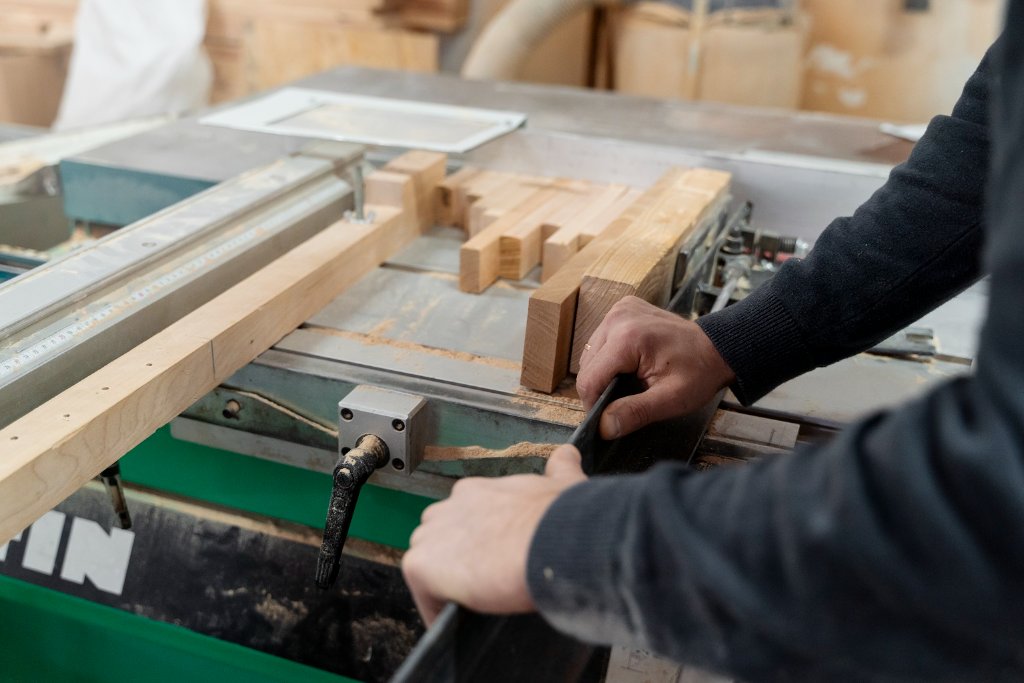
cNC millwork fabrication shifts more of the precision upstream. Cut files are generated from approved drawings, parts are machined to exact dimensions, and assemblies are built from a more reliable baseline. That consistency is especially important when millwork interfaces with finished walls, lighting, stone, glazing, equipment, or branded fixture packages.
The real advantage shows up when design complexity increases. Radius forms, integrated hardware, repetitive panel systems, perforated patterns, detailed joinery, and nested component layouts all benefit from machine precision. Instead of simplifying the design to fit shop limitations, teams have more freedom to fabricate what was actually specified.
Precision is only useful when it serves the design
Precision by itself is not the product. The product is a finished environment that looks intentional, performs well, and installs without chaos. That distinction matters because not every piece of millwork should be treated the same way.
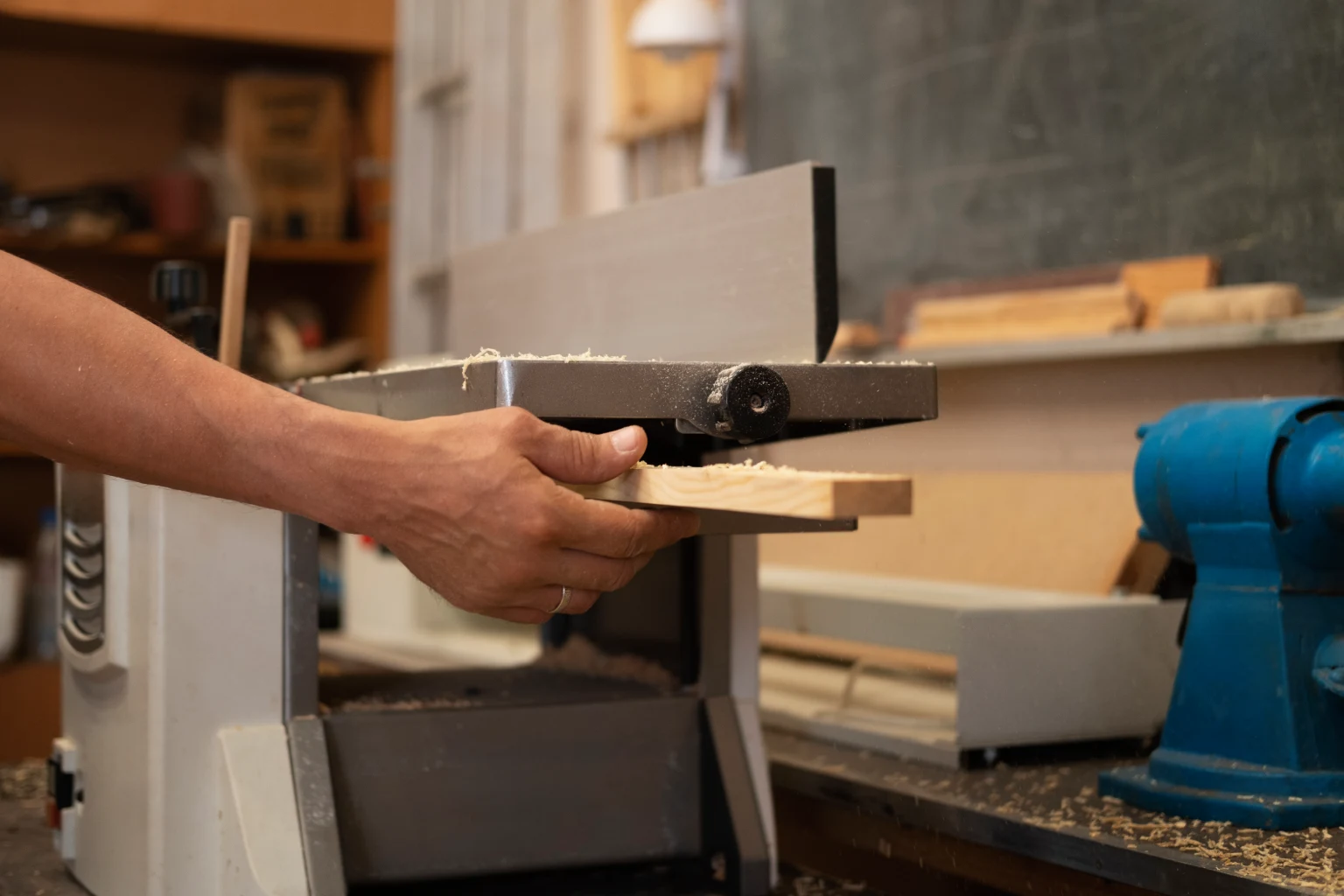
Some components are ideal for cNC-driven production from the start. Think custom casework, panel systems, fixture carcasses, shelving packages, and repeatable branded elements. Other pieces may still require a more hands-on fabrication approach, especially where unusual materials, one-off detailing, or artisan finishing techniques are part of the design language.
That is why the best cNC millwork fabrication workflows are not purely automated. They combine digital precision with experienced fabrication judgment. Material movement, edge treatment, finish requirements, grain direction, hardware tolerances, and site conditions still require decisions that software alone cannot make.
Where cNC millwork fabrication has the biggest impact
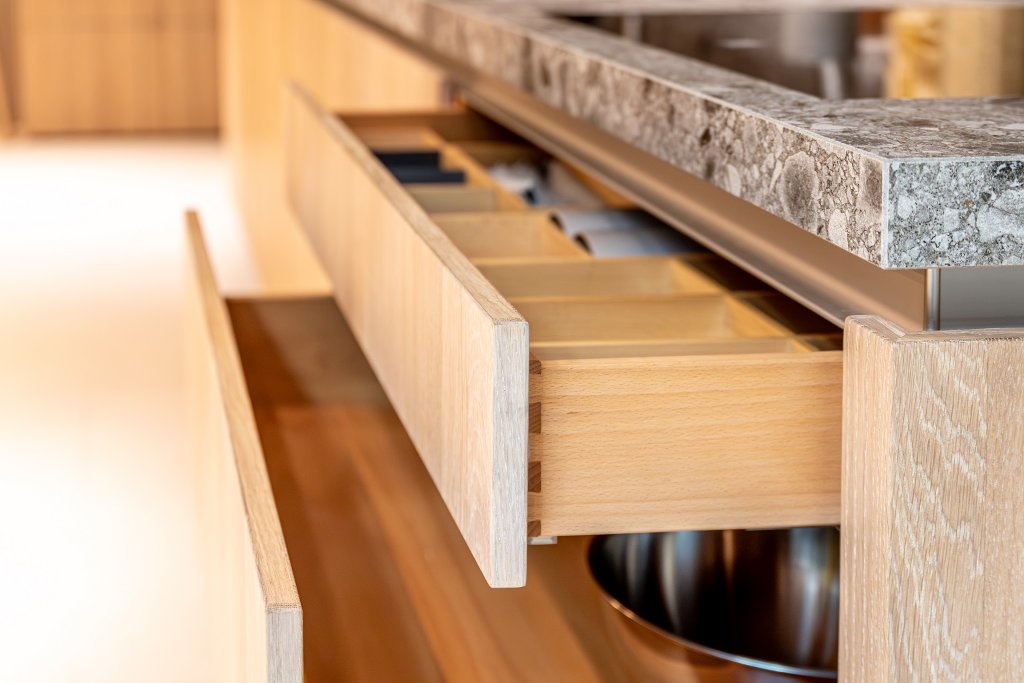
Commercial casework is an obvious example. In offices, hospitality environments, healthcare settings, and retail interiors, casework packages often include repeated units with project-specific sizing. CNC machining helps hold dimensions consistently across the full run, which improves fit, door alignment, and installation sequencing.
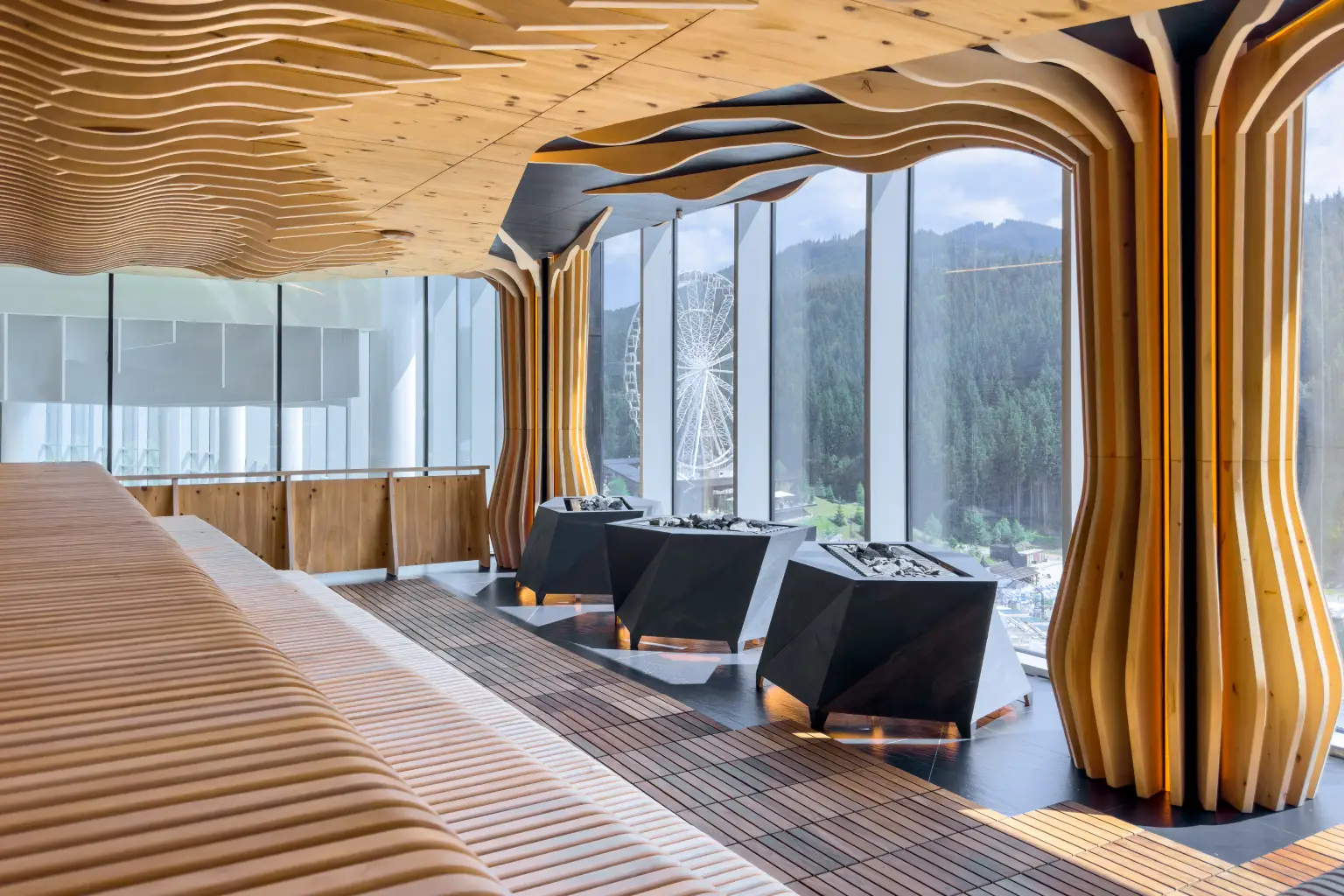
Architectural millwork sees similar gains. Feature walls, slat systems, banquettes, display surrounds, soffit elements, and custom panel assemblies often rely on exact spacing and predictable fabrication. The cleaner the part production, the stronger the visual result.
Store fixtures are another area where the process delivers practical value. Retail programs frequently require branded consistency across locations, but each site comes with different field conditions. CNC fabrication supports standardized production while still allowing controlled modifications for each store footprint. That balance is critical for rollout work and remodel programs.
Grocery environments push this even further. Fixture updates, service counter millwork, merchandising surrounds, and remodel packages often need to be fabricated accurately, delivered on schedule, and installed with minimal disruption. In those settings, reliable production is not just a quality issue. It affects operations.
The trade-offs clients should actually think about
There is a tendency to talk about CNC as if it automatically makes every project better, faster, and cheaper. That is not always true.
For very simple one-off pieces, the setup time involved in digital modeling, programming, and machine preparation may not create major savings. If a project is small and straightforward, traditional fabrication can still be a sensible path. Likewise, if design decisions are still moving late into production, a highly programmed workflow can become inefficient if files need repeated revision.
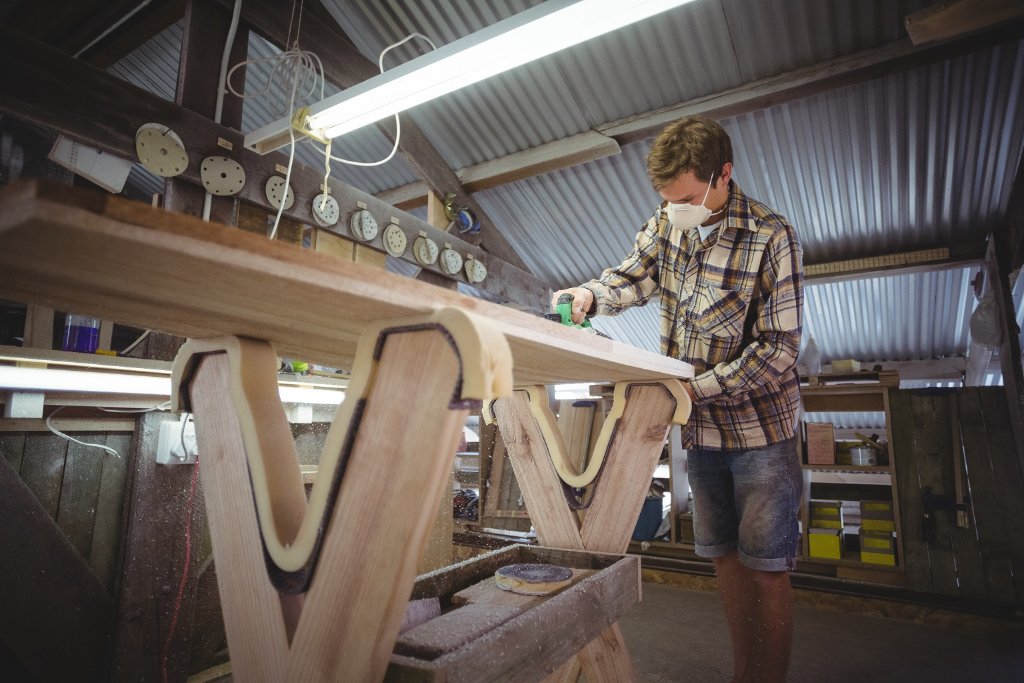
Material choice also affects the equation. Sheet goods, composite panels, and many casework materials are well suited to CNC machining. Certain hardwood applications, specialty surfaces, or heavily hand-finished elements may require a more selective approach. Precision cutting helps, but it does not remove the need for experienced assembly and finishing.
The point is not that one method replaces the other. It is that the right fabrication partner knows where CNC creates measurable value and where craftsmanship should lead.
What good project coordination looks like before fabrication starts
The most successful outcomes are decided well before a machine cuts the first panel. Approved dimensions, material selections, hardware standards, finish expectations, and installation assumptions all need to be aligned. If those inputs are vague, even the most advanced shop equipment will simply produce inaccurate parts with impressive consistency.
That is why pre-production coordination matters so much on custom commercial work. Shop drawings should resolve critical relationships, not just illustrate intent. Design teams and contractors should understand where tolerances are tight, where site verification is required, and where field conditions may affect sequencing.
For clients, this is often the hidden value of a full-service millwork partner. Fabrication quality does not begin at the machine. It begins with how the project is interpreted, detailed, and prepared for production.
cNC millwork fabrication and installation are tightly connected
A common misconception is that fabrication and installation are separate phases with separate concerns. In reality, they are deeply linked. Parts that are manufactured with installation in mind tend to go in faster, fit better, and require fewer field modifications.
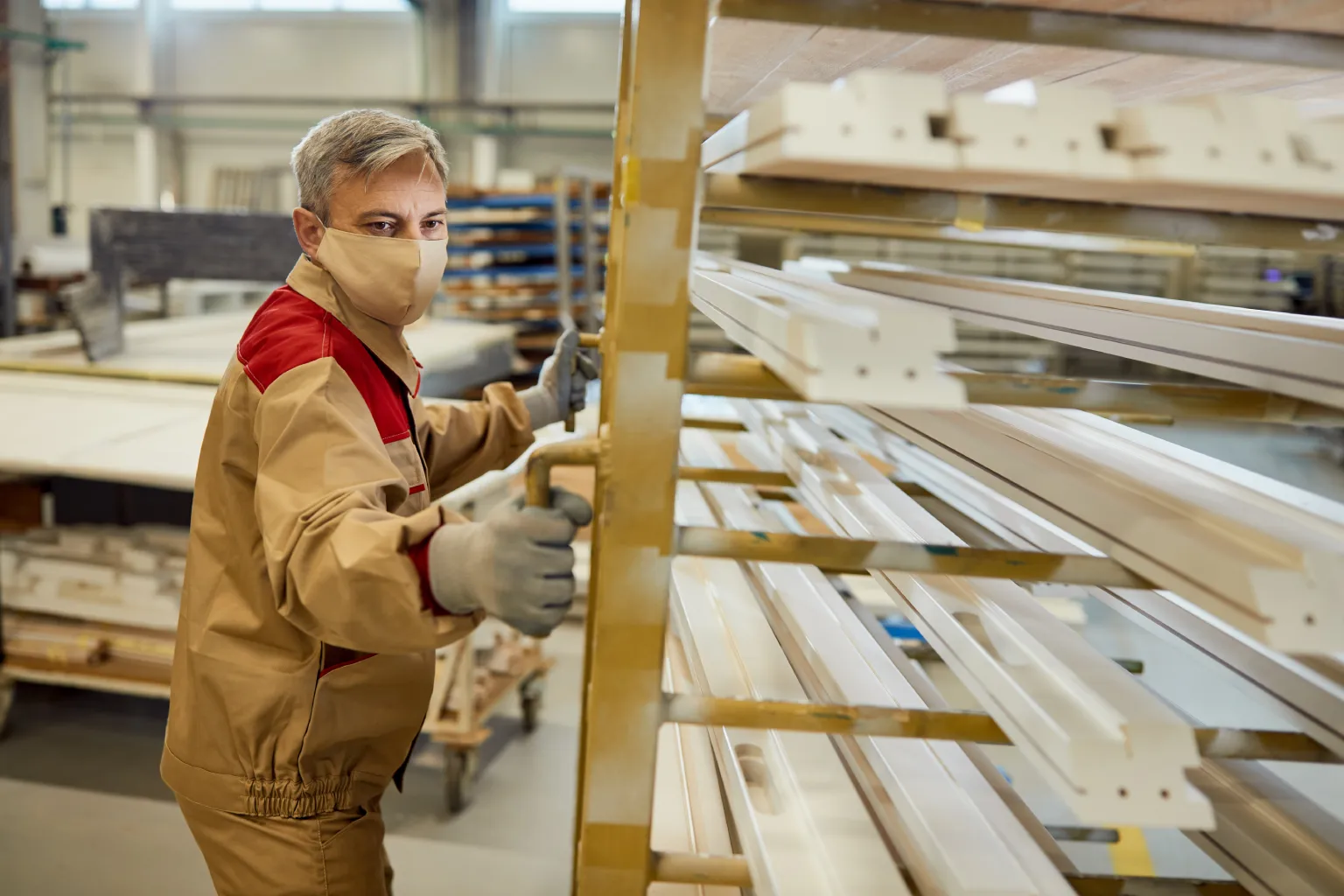
That connection becomes more important on occupied commercial sites, phased remodels, and projects with compressed schedules. If the fabrication team understands access limits, staging constraints, finish protection requirements, and sequencing dependencies, they can produce assemblies that support a more efficient install.
This is especially valuable in multi-trade environments. Millwork rarely exists by itself. It touches electrical, plumbing, AV, lighting, countertops, signage, and flooring transitions. Precise fabrication helps, but installation planning is what translates shop accuracy into a finished result on site.
Why premium projects demand more than cut accuracy
High-end millwork is judged on proportion, alignment, finish quality, and how naturally it fits the architecture. A technically accurate cabinet can still feel wrong if the reveals are off, the material transitions are clumsy, or the design details lose sharpness in fabrication.
That is why serious buyers tend to look beyond equipment lists. They want to know whether a shop can protect the design language while delivering at production scale. Can it manage custom detailing without creating schedule drag? Can it hold quality across a full package, not just a sample piece? Can it support both fabrication and field execution without dropping accountability between phases?
Those are the questions that matter more than whether a project includes CNC technology. The machine is a tool. The capability is in how that tool is used.
For Texas commercial projects, where timelines are tight and expectations are high, that capability often separates a basic fabricator from a strategic millwork partner. A company like Einstein Millworks is built around that distinction, pairing digital manufacturing with custom fabrication and installation support for spaces that cannot afford loose execution.
The best reason to invest in cNC millwork fabrication is simple. It gives ambitious interiors a better chance of being built the way they were intended, with fewer compromises between concept, production, and the final walk-through. If your project depends on custom detail, repeatable quality, and field-ready execution, that is not a minor upgrade. It is the standard the space deserves.