






When a project team asks what is included in millwork, the real question is usually about scope. Not just wood products, but which built elements are custom fabricated, how far the package extends, and where millwork stops and other trades begin. On commercial interiors and design-driven spaces, that distinction affects budgeting, coordination, lead times, and finish quality.
Millwork is often used as a catch-all term, but in practice it refers to fabricated interior wood or wood-based components made for a specific project. Some packages are narrow and limited to casework or trim. Others include architectural wall systems, reception desks, display fixtures, specialty assemblies, and installation. The right definition depends on the project type, the design intent, and how custom the environment needs to be.
What is included in millwork on a commercial project?
In most commercial settings, millwork includes the custom-built interior elements that are manufactured to fit the space rather than purchased as standard products. That typically covers cabinets, shelving, countertops with supporting casework, wall paneling, trim details, banquettes, reception features, and retail or hospitality fixtures.
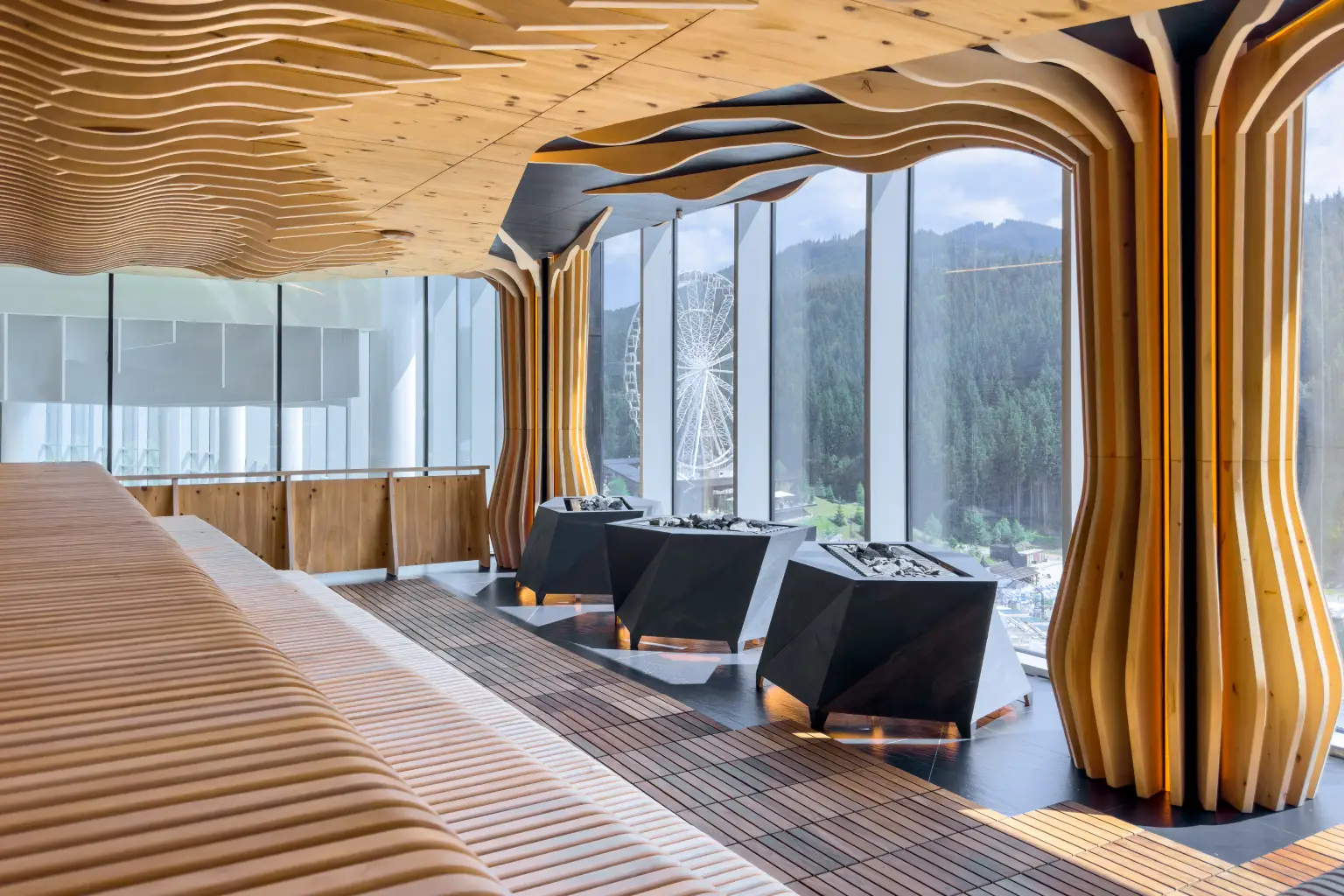
Architectural millwork goes further than basic storage. It often includes decorative and functional assemblies that shape how a space looks and performs. Think branded service counters, integrated display walls, wood-clad columns, soffit wraps, teller lines, beverage stations, merchandising fixtures, and built-in seating. In higher-end environments, millwork is part of the architecture, not just an accessory to it.
That is why scope needs to be defined early. A designer may specify a statement wall, floating shelves, integrated lighting reveals, and slatted wood screening under one millwork package. A contractor may assume only cabinets and trim are included unless the drawings clearly assign those elements. The term itself is broad. The details make it buildable.
Core components commonly included in millwork
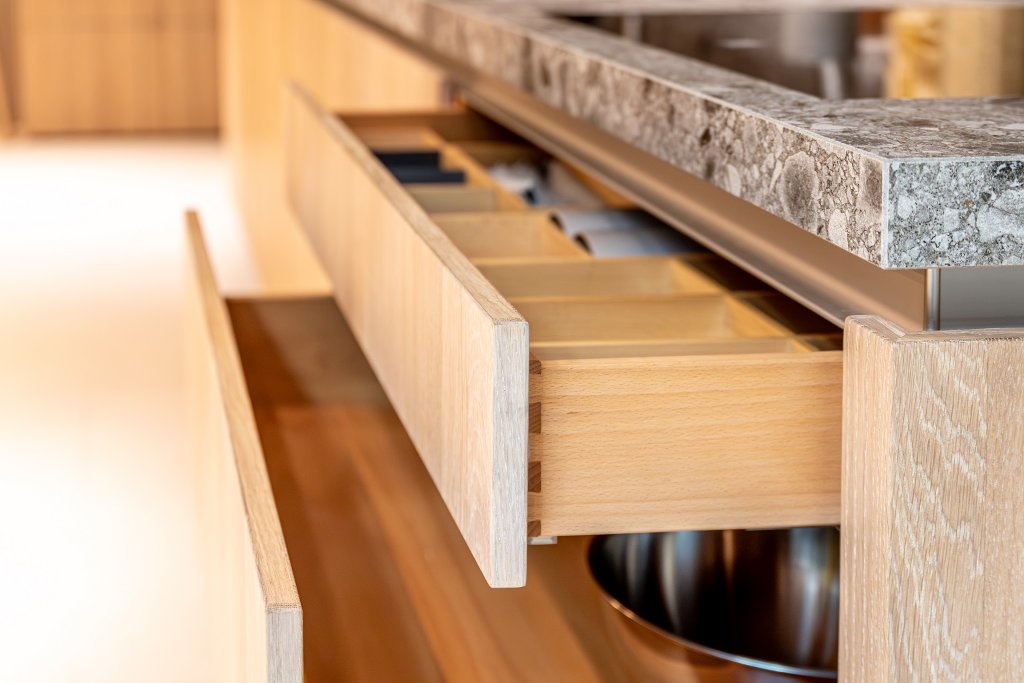
Casework is usually the starting point. This includes base cabinets, wall cabinets, tall storage units, workroom cabinets, breakroom cabinetry, restroom vanities, and built-in storage. In offices, healthcare spaces, hospitality environments, and retail back-of-house areas, casework often forms the functional backbone of the interior.
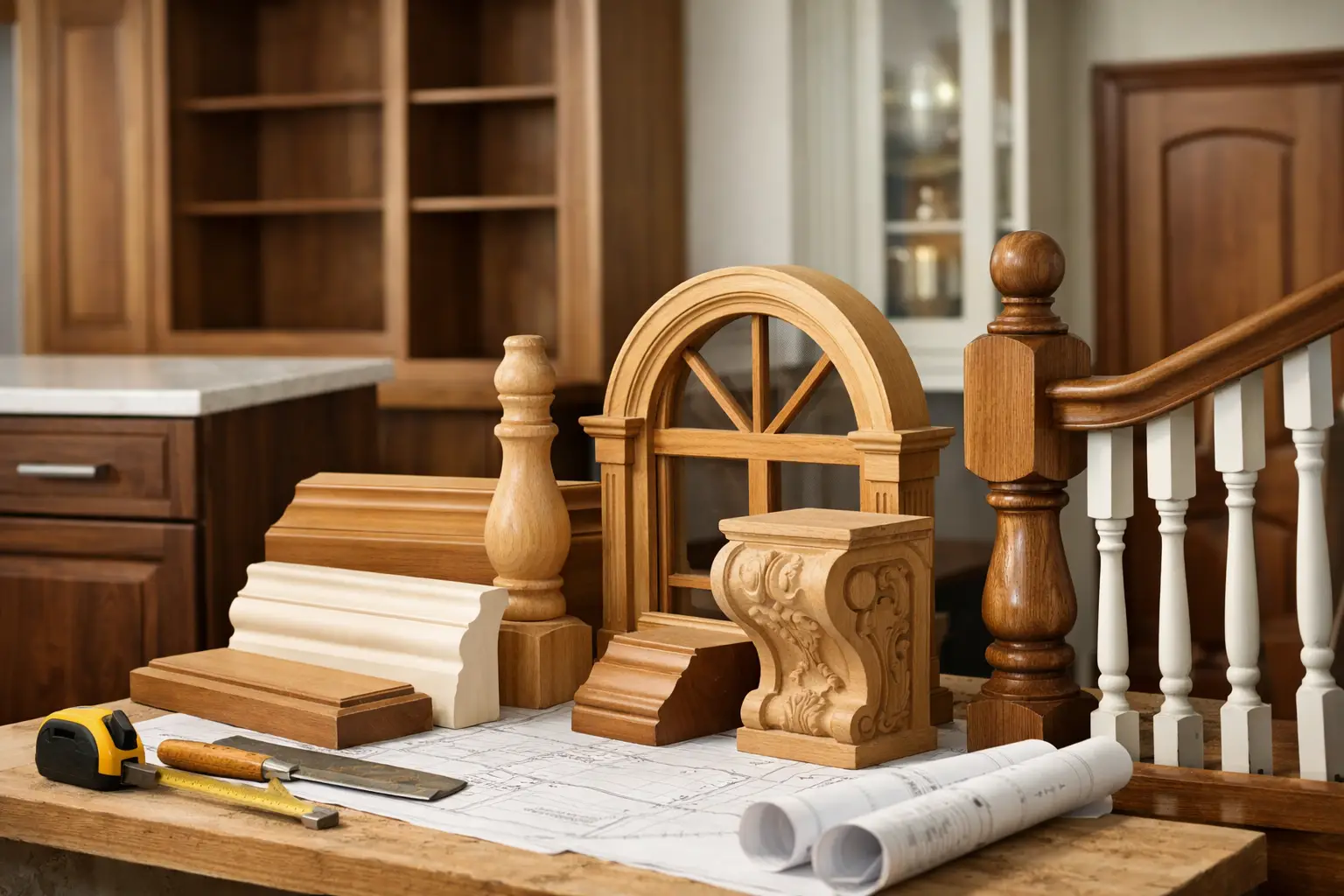
Architectural features are another major category. Wall paneling, ceiling details, column covers, wood screens, trim packages, and custom surrounds often fall under millwork when they are fabricated to match the design and field conditions. These elements may appear simple in renderings, but they usually require precise shop drawings, substrate planning, reveal control, and careful finish consistency.
Custom fixtures are also commonly included, especially in retail, food service, and branded commercial environments. Display units, point-of-sale counters, product showcases, kiosks, service stations, and merchandising systems are typically fabricated as millwork when they need to align with a concept, a brand standard, or a nonstandard footprint.
Built-in furniture sits in a middle ground that often belongs in the millwork scope. Banquettes, window seats, library walls, concierge desks, communal worktables, and integrated benching may be fabricated by a millwork shop when they are fixed to the building or require custom coordination with other materials.
Doors, frames, and ornamental trim may or may not be included depending on the contract structure. In some projects, those items stay with finish carpentry or a door package supplier. In others, they are bundled into the millwork package for finish control and design continuity.
Millwork vs cabinetry vs carpentry
These terms overlap, but they are not interchangeable.
Cabinetry is a subset of millwork. If a scope includes custom cabinets, that is millwork, but millwork usually extends beyond cabinets alone. It can involve decorative assemblies, branded fixtures, wall applications, and architectural details that go well past storage.
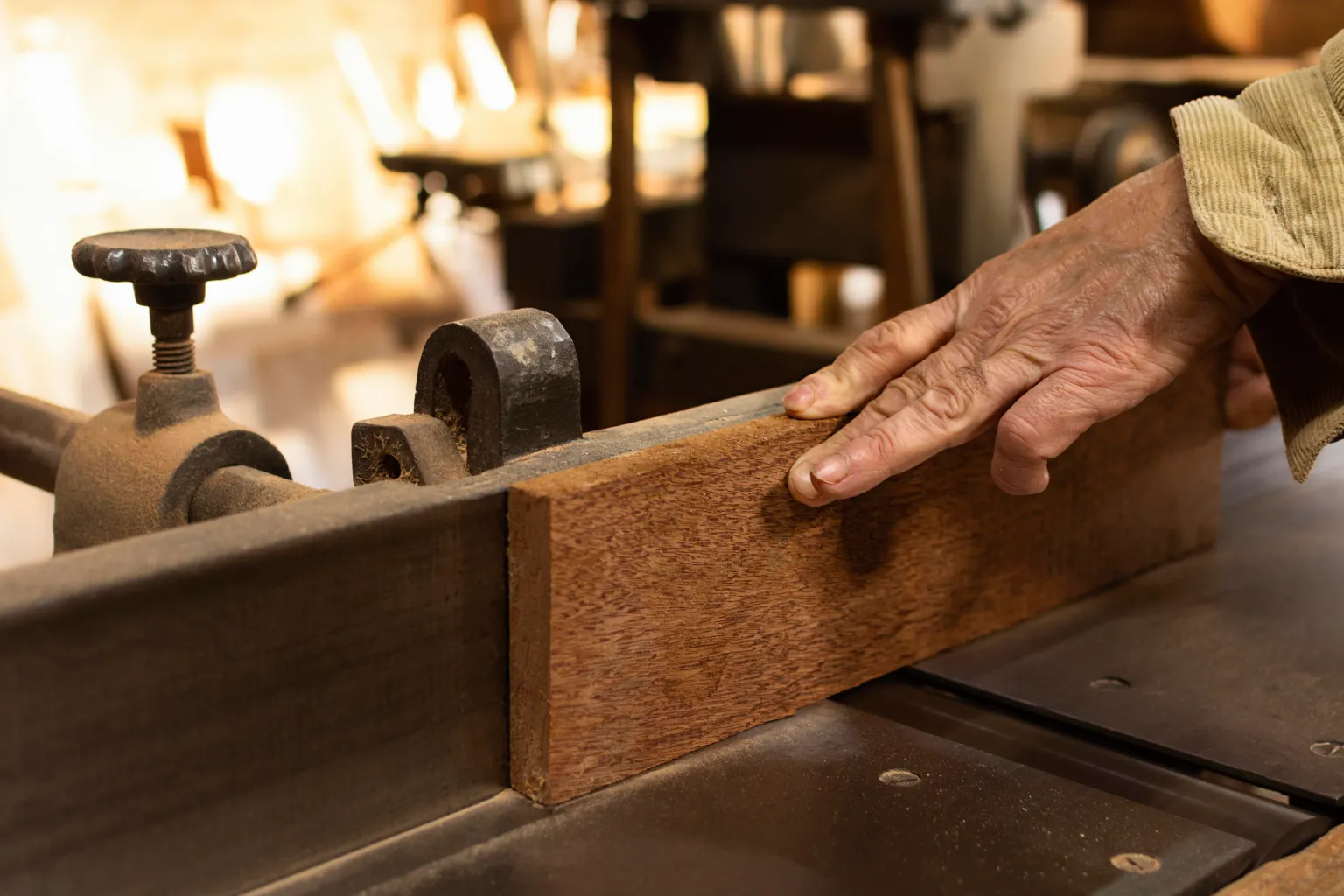
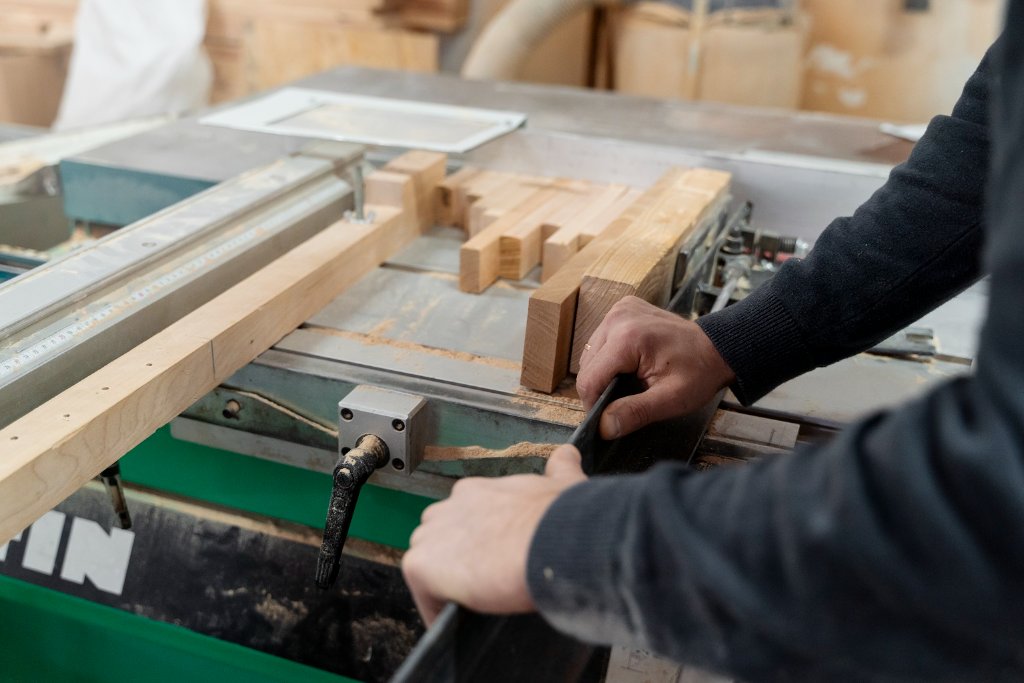
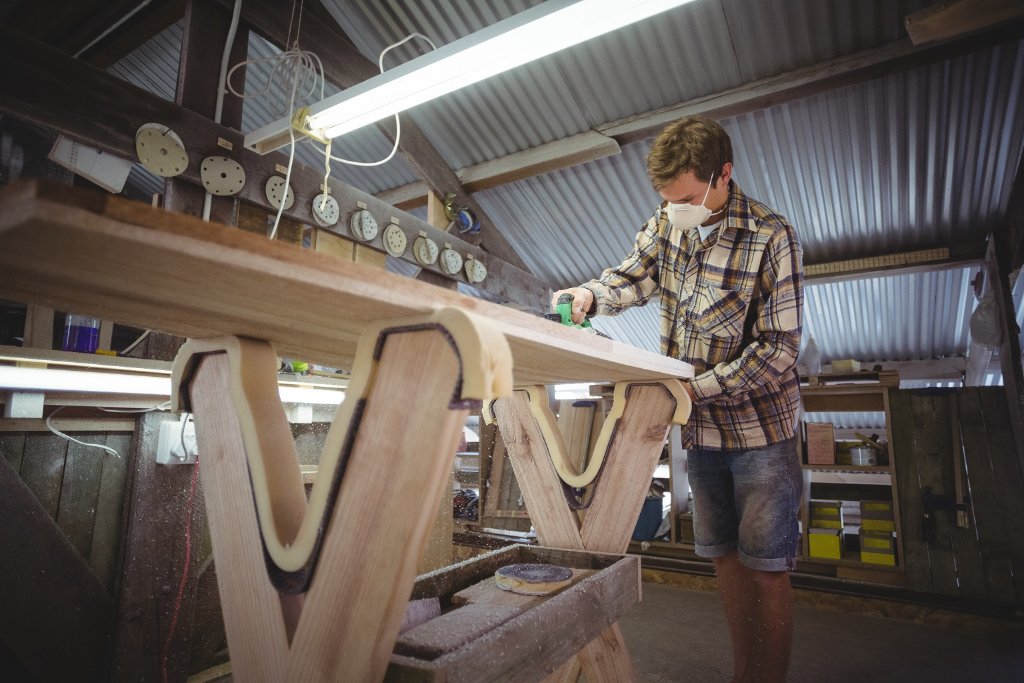
Carpentry is broader and often more field-based. Rough carpentry deals with framing and structural wood work. Finish carpentry includes installation of trim, moldings, doors, and other finish elements on site. Millwork, by contrast, is generally manufactured in a shop with a higher level of engineering, machining, and finishing control before it arrives for installation.
For project teams, this distinction matters because shop-built work behaves differently than field-built work. Tolerances are tighter, lead times are longer, and drawing coordination is more intensive. The result is better repeatability and a more refined finish, but only when the package is scoped correctly.
Materials and finishes are part of what is included in millwork
When people ask what is included in millwork, they often focus on the visible forms and overlook the specification layers behind them. Material selection is a major part of the package. Depending on performance and design requirements, millwork may use hardwood, veneer, plywood, MDF, laminate, thermofoil, solid surface, metal accents, glass integration, or specialty composites.
The finish package is just as important as the form. Painted finishes, stained wood, high-pressure laminate, textured laminates, clear coats, and custom color matching all affect pricing, fabrication sequencing, and durability. A reception desk with a matte painted front and wood veneer transaction top is not the same scope as a laminate service counter built for heavy traffic. Both are millwork, but they are engineered and delivered differently.
Commercial environments also add code and wear considerations. Moisture resistance, cleanability, impact durability, fire ratings, and edge conditions can all influence what materials are appropriate. Grocery remodels, hospitality projects, and workplace interiors each demand different performance priorities.
What may or may not be included
This is where assumptions create problems.
Countertops are a common gray area. If the top is fabricated from the same material family and built as part of the casework assembly, it may stay within the millwork scope. If it is stone, quartz, or another specialty surface, it may be awarded separately even though it sits directly on the millwork.
Hardware can also vary. Hinges, drawer slides, pulls, locks, shelf standards, and access components are often included, but electronic hardware, security devices, and specialty access control may not be. The same goes for integrated lighting. Some millwork packages include channels, cutouts, and coordination only, while the electrical trade furnishes and connects the actual fixtures.
Appliance integration, signage, glass, mirrors, and metal trims may be included when they are essential to the fabricated assembly, but not always. It depends on who is responsible for procurement, warranty, and installation sequencing.
That is why serious millwork partners define inclusions at the shop drawing and submittal stage, not just in a line item description. Clarity protects the design intent and keeps field coordination from turning into redesign.
Design, engineering, fabrication, and installation
Millwork is not only the finished product. On custom projects, the process itself is part of the value.
A complete millwork scope often includes field verification, shop drawings, engineering for constructability, material procurement, CNC production, finishing, assembly, delivery, and installation. On more complex interiors, it may also involve fixture staging, phased deployment, punch support, and coordination with flooring, electrical, glazing, and signage trades.
This matters because custom millwork is rarely a simple buy. It is a managed package. The design may begin with an architectural intent, but the final result depends on manufacturing logic, site realities, and installation planning. A strong partner closes the gap between concept and execution.
For architects and general contractors, that can mean fewer field modifications and better finish consistency. For retail operators and multi-site brands, it can mean repeatable quality across locations. For designers, it means the visual language of the space survives contact with actual construction.
Why scope definition matters early
Millwork is often one of the last elements people notice when it is done well and one of the first things they notice when it is not. Misaligned reveals, mismatched finishes, undersized fixtures, and poor transitions at adjacent materials can diminish an otherwise strong interior.
Early scope definition helps avoid that. If the package includes custom wall cladding, built-in seating, cashier stations, and back-of-house cabinetry, those elements should be coordinated together from the start. If they are split across trades without a clear strategy, the project can end up with visible inconsistencies and schedule friction.
This is especially true on commercial interiors where brand standards, tenant improvements, remodel phasing, and operational downtime all shape the work. A millwork package is not just a set of objects. It is part of how the space is delivered.
At Einstein Millworks, that is why custom fabrication, project-specific configuration, and installation coordination are treated as connected disciplines rather than isolated services.
The practical answer to what is included in millwork is this: whatever custom-built interior elements are required to make the design function, fit, and finish correctly. The exact list changes by project, but the standard should not. Clear scope, disciplined fabrication, and clean installation are what turn millwork from a line item into a finished environment.