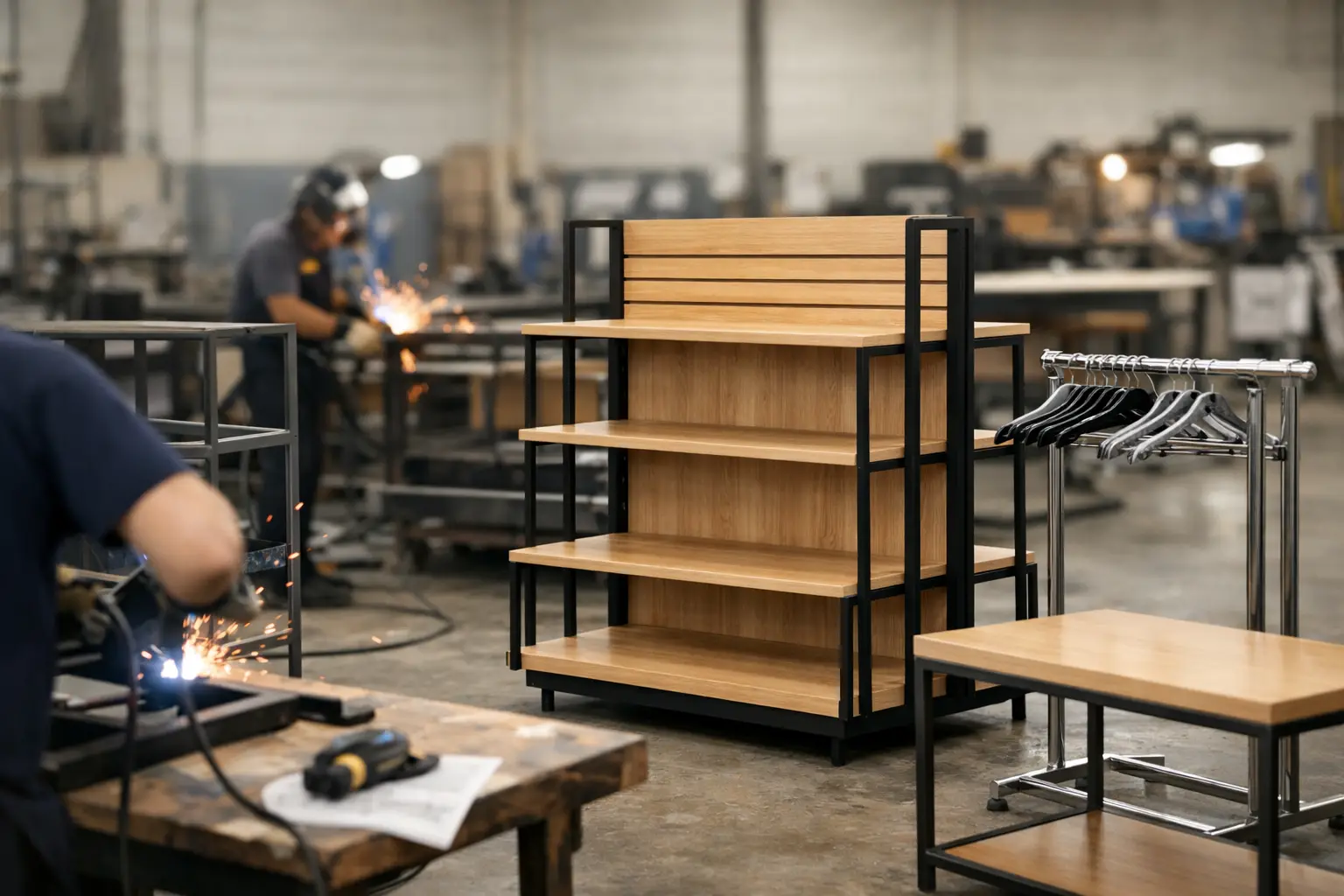
A fixture package can look resolved on paper and still fail the floor the moment it meets real product loads, tight field dimensions, or phased installation. That gap is where store fixture fabrication either protects the project or creates expensive friction. For retailers, designers, and contractors, the work is not just about building displays. It is about translating brand standards, operational needs, and site conditions into fixtures that can be manufactured accurately and installed without drama.
Why store fixture fabrication is more than casework
Retail fixtures live under different pressures than standard millwork. They need to support merchandising strategy, customer flow, replenishment, cleaning, durability, and often a fast rollout schedule. A wall display, cash wrap, feature table, or branded shelving system has to look refined, but it also has to perform under daily use and constant interaction.
That is why store fixture fabrication demands more coordination than many teams expect. Materials, hardware, tolerances, edge conditions, lighting integration, and shipping methods all affect the final result. A fixture may read as a simple architectural element in a drawing set, yet require detailed engineering to survive the sales floor and still reflect the intended brand experience.
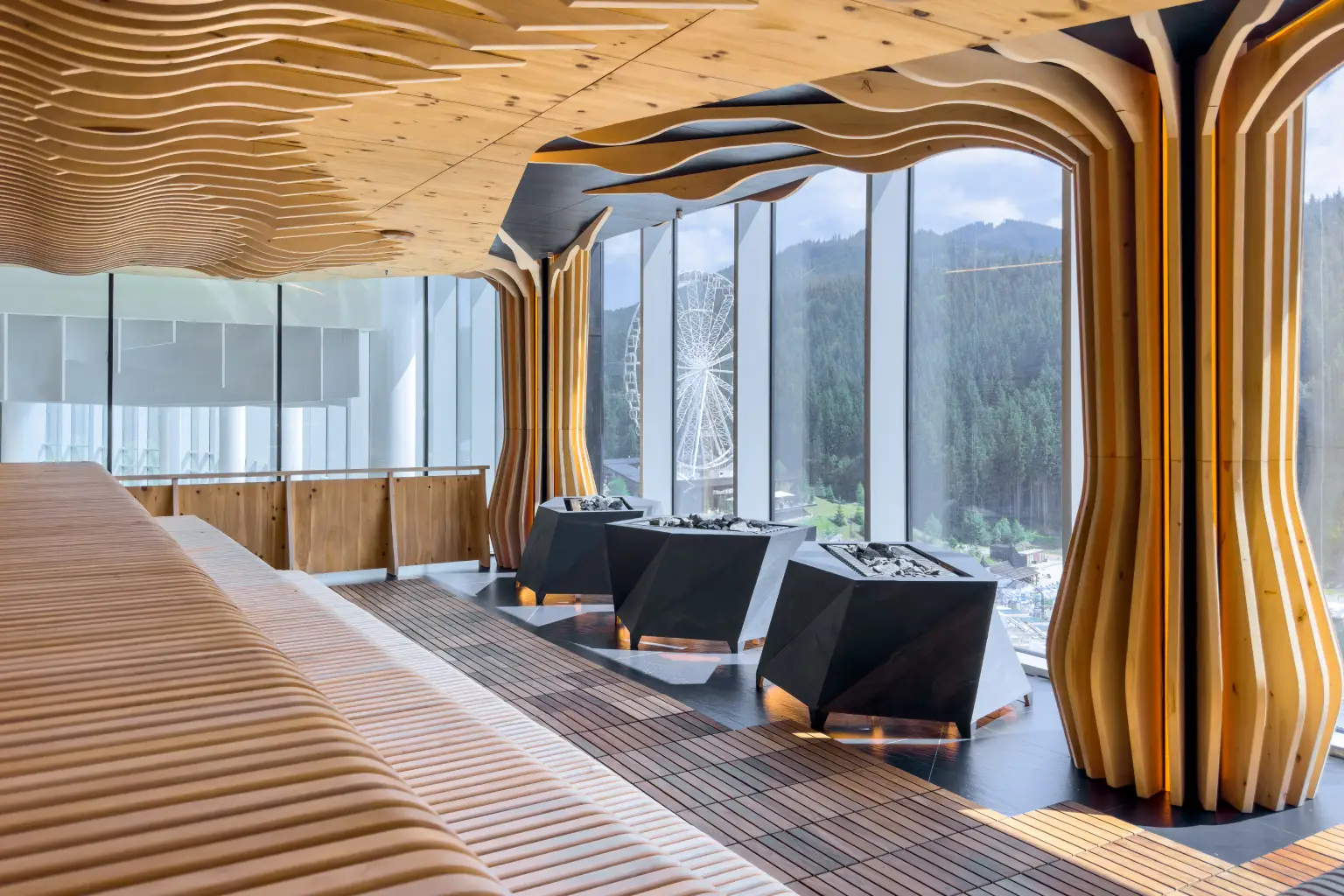
For design-led retail environments, the challenge is even sharper. The fixture package has to carry the visual language of the space while staying practical to build at scale. That balance does not happen by accident. It comes from early alignment between design intent, fabrication methods, and field execution.
What strong fixture fabrication looks like in practice
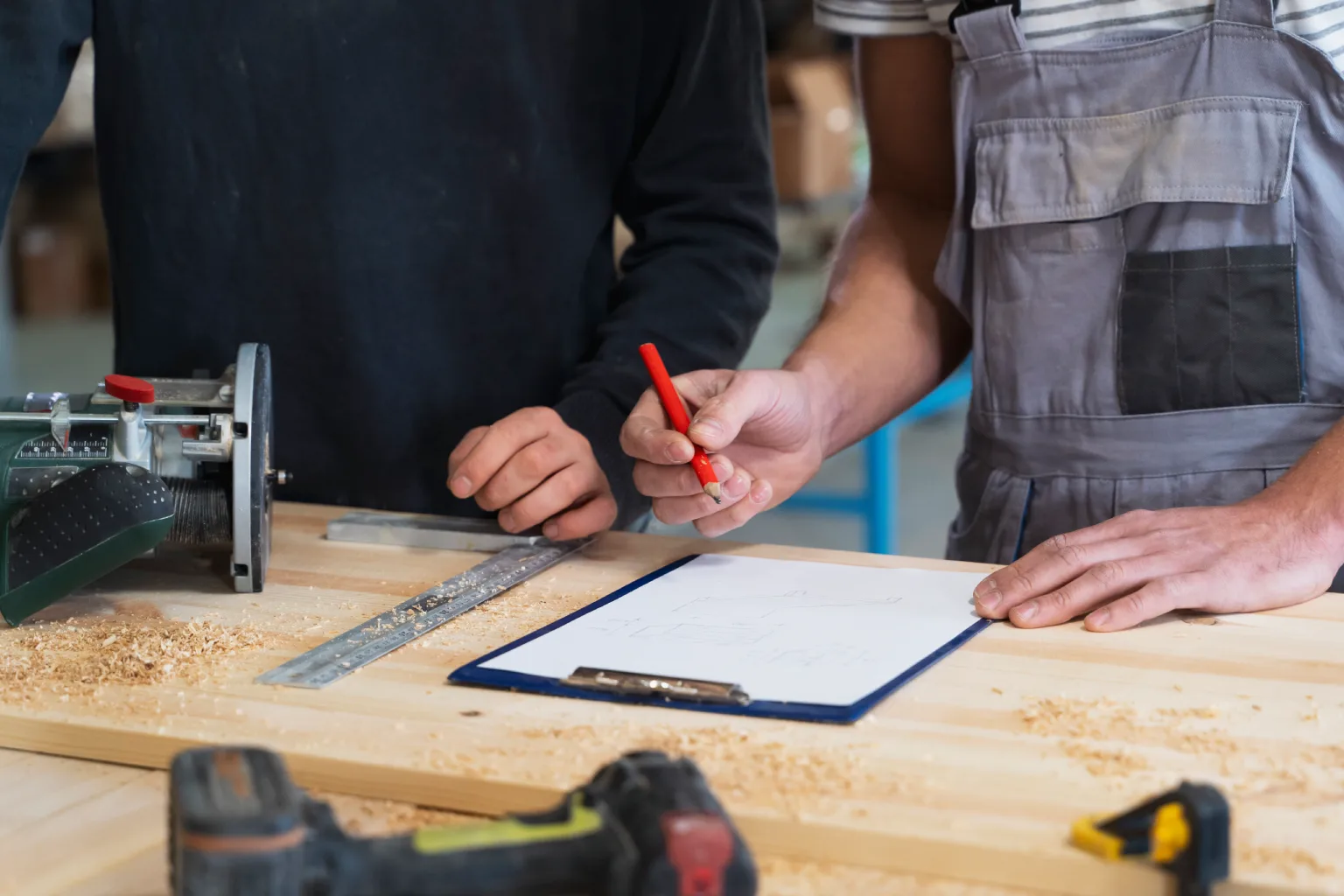
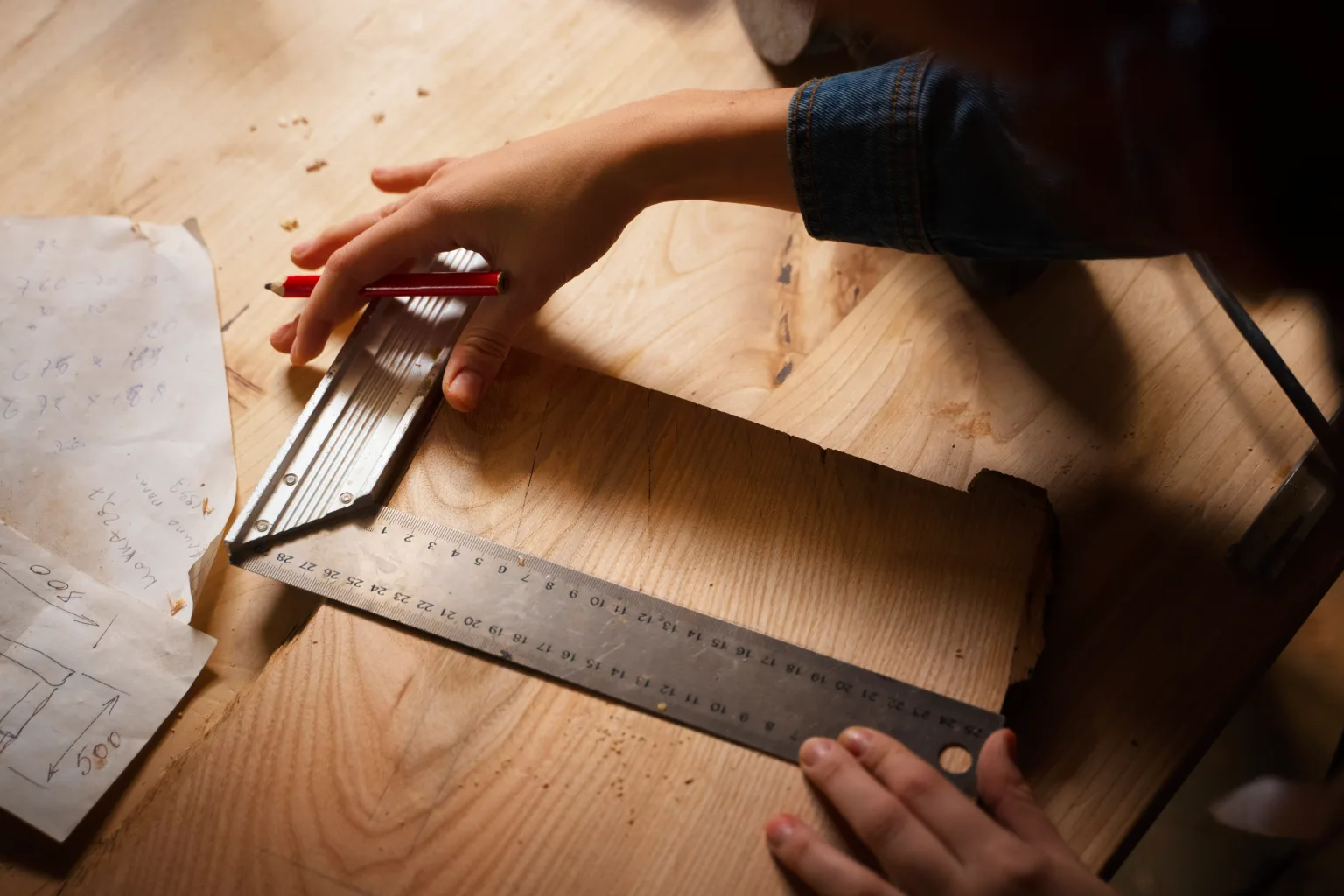
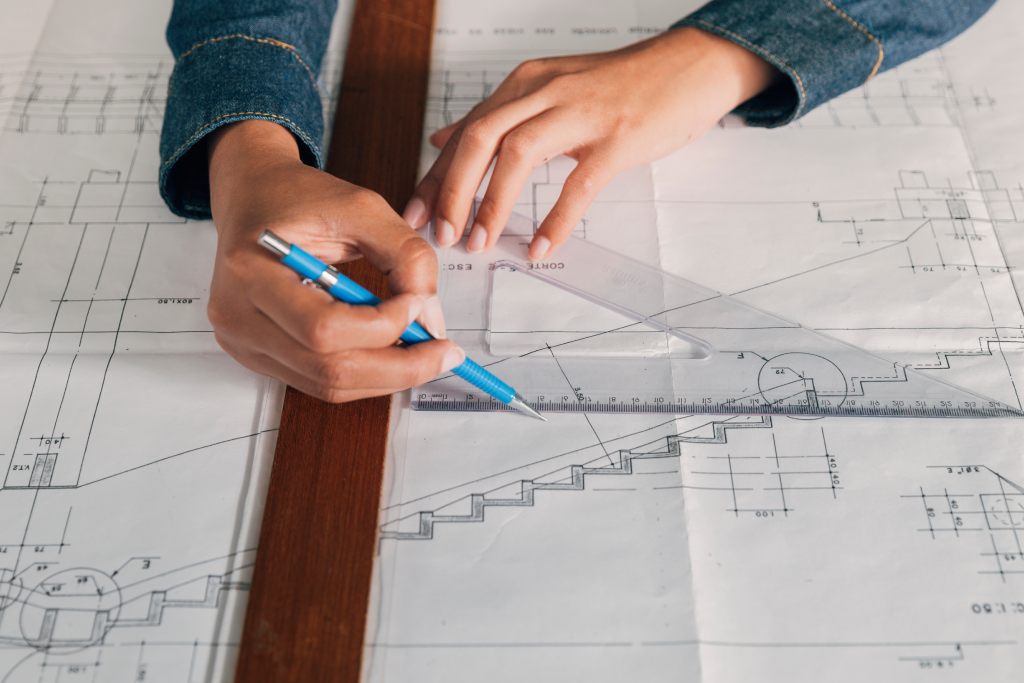
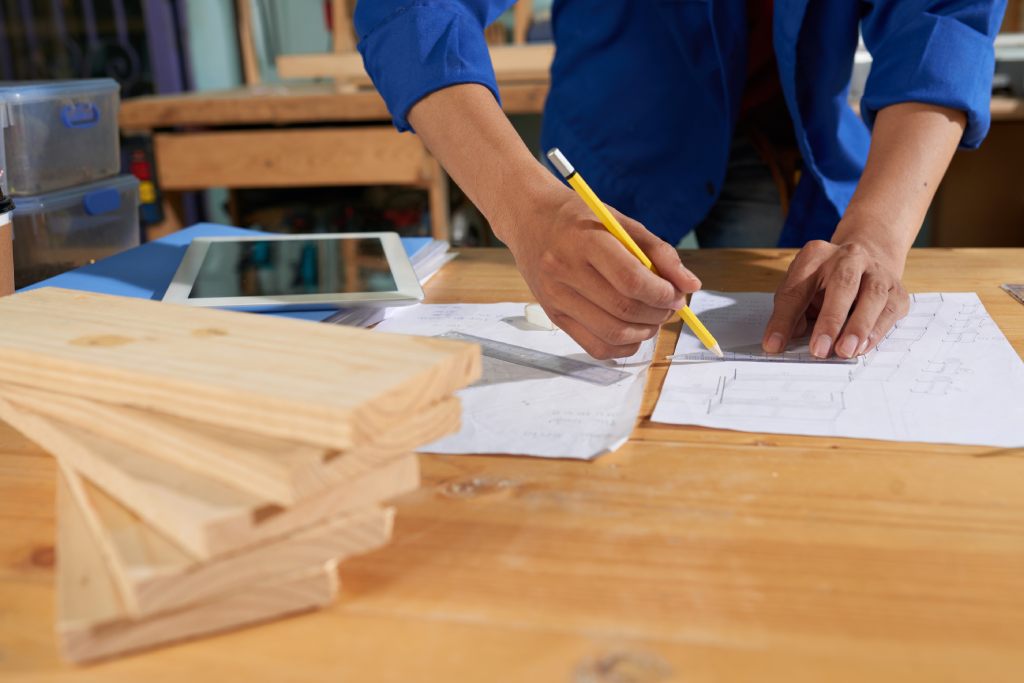
The best fixture programs are disciplined long before production starts. That usually begins with a detailed review of plans, elevations, finish requirements, and the intended customer experience. If the drawings leave room for interpretation, fabrication teams have to resolve the unknowns before they become costly revisions.
A capable partner will look beyond dimensions and ask the harder questions. How will the fixture be used each day? Will staff need concealed storage behind a clean presentation face? Does the feature need to ship in sections for easier delivery into an occupied site? Are there ADA, egress, or power-access considerations that affect the build? Those decisions shape material selection, joinery, hardware, and installation sequencing.
Precision matters here, but precision alone is not enough. A premium fixture package also needs consistency. If a retailer is rolling out multiple locations, every finish reveal, edge detail, and branded element has to stay true from one site to the next. If the project is a flagship, the expectation shifts slightly. The finish level may become more exacting, custom components may increase, and fabrication methods may prioritize presentation over repeatability. Neither approach is better in every case. It depends on whether the project is optimizing for scale, impact, or a careful combination of both.
Design intent has to survive the manufacturing process
One of the most common breakdowns in store fixture fabrication happens when a concept is approved without enough thought for how it will actually be built. Thin profiles, specialty laminates, integrated metals, routed details, curved components, and concealed access panels can all work well, but each choice changes labor, lead times, and tolerances.
This is where fabrication becomes a strategic function rather than a downstream trade. A good fabrication team protects design intent by identifying where the drawing can remain intact and where it needs refinement to perform. Sometimes that means proposing a different substrate to improve stability. Sometimes it means reworking a detail so a finish edge stays clean under heavy use. Sometimes it means adjusting a fixture into modular sections so field installation can happen without damaging adjacent work.
None of those changes should dilute the design. The goal is to preserve the visual and operational outcome while making the build viable. For commercial teams, that distinction matters. Value engineering that strips character out of a space is rarely a win. Thoughtful fabrication input, on the other hand, often improves both the result and the delivery path.
Materials, finishes, and performance expectations
Store fixtures are judged at close range. Customers touch them, staff lean on them, carts bump into them, and cleaning crews wipe them down constantly. Material selection has to account for that reality.
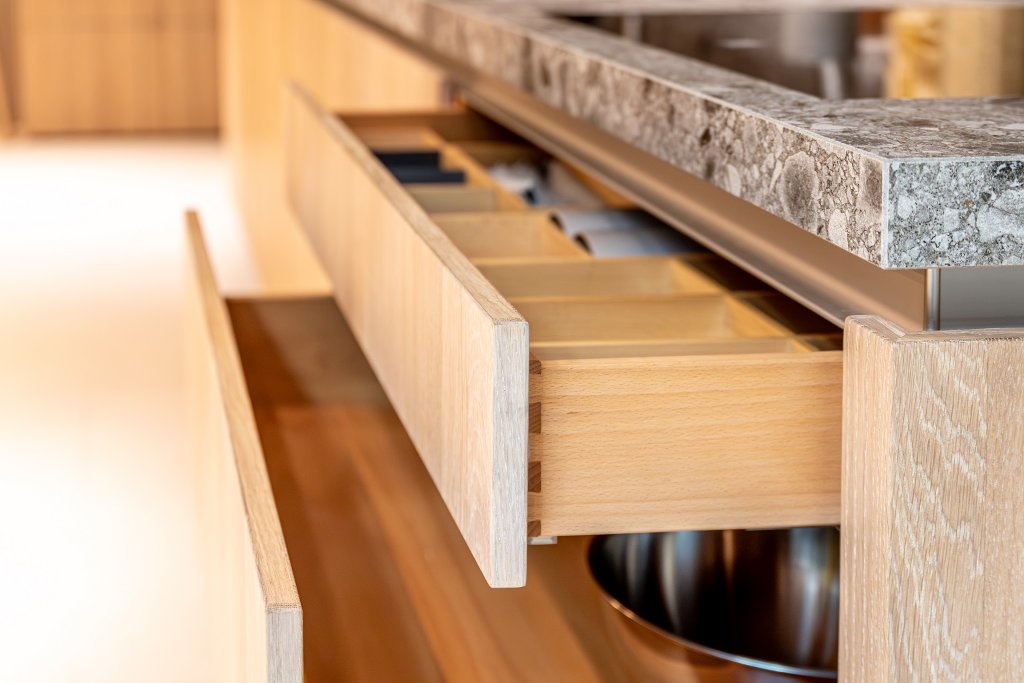
Wood veneer may bring warmth and architectural depth, but it requires careful finish specification in high-contact areas. Laminates can offer consistency and durability, though some lower-grade options flatten the look of a premium environment. Solid surface can be ideal at transaction points where hygiene and wear resistance matter. Powder-coated metal components may improve durability and structural clarity, especially in shelving systems and branded displays. Glass and acrylic can sharpen presentation, but they also increase coordination around tolerances, shipping protection, and replacement planning.
There is no single right material palette for every project. Luxury retail, grocery remodels, showroom environments, and hospitality-driven merchandising zones all place different demands on fixtures. The right fabrication partner should be able to interpret those conditions and recommend assemblies that suit the use case, not just the rendering.
The operational side of store fixture fabrication
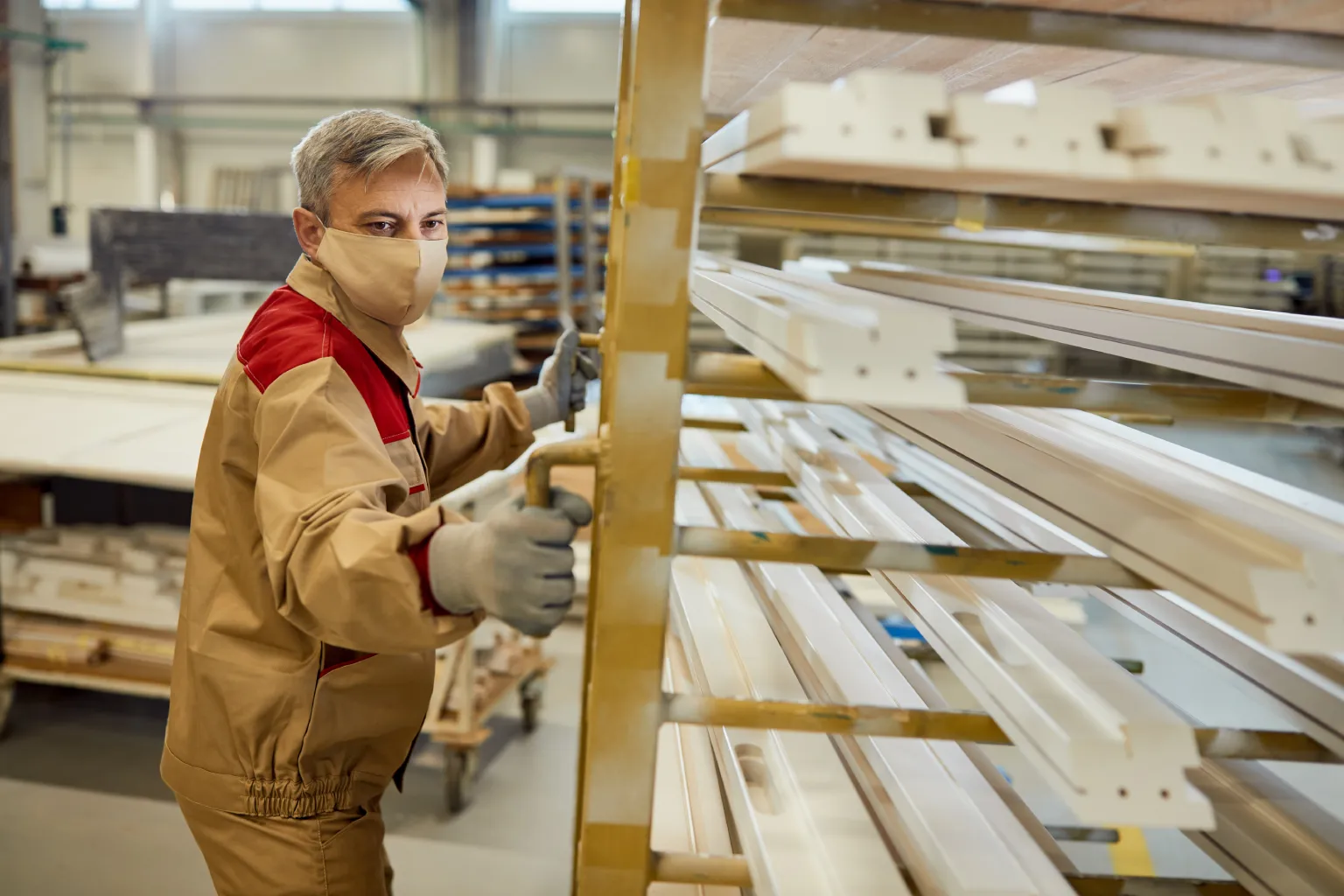
A well-made fixture can still become a problem if production and installation are not managed with discipline. Commercial schedules rarely leave much room for correction. Retail openings, phased remodels, and live-site renovations require fixture packages that arrive in the right sequence, with the right labeling, and with details resolved before they hit the field.
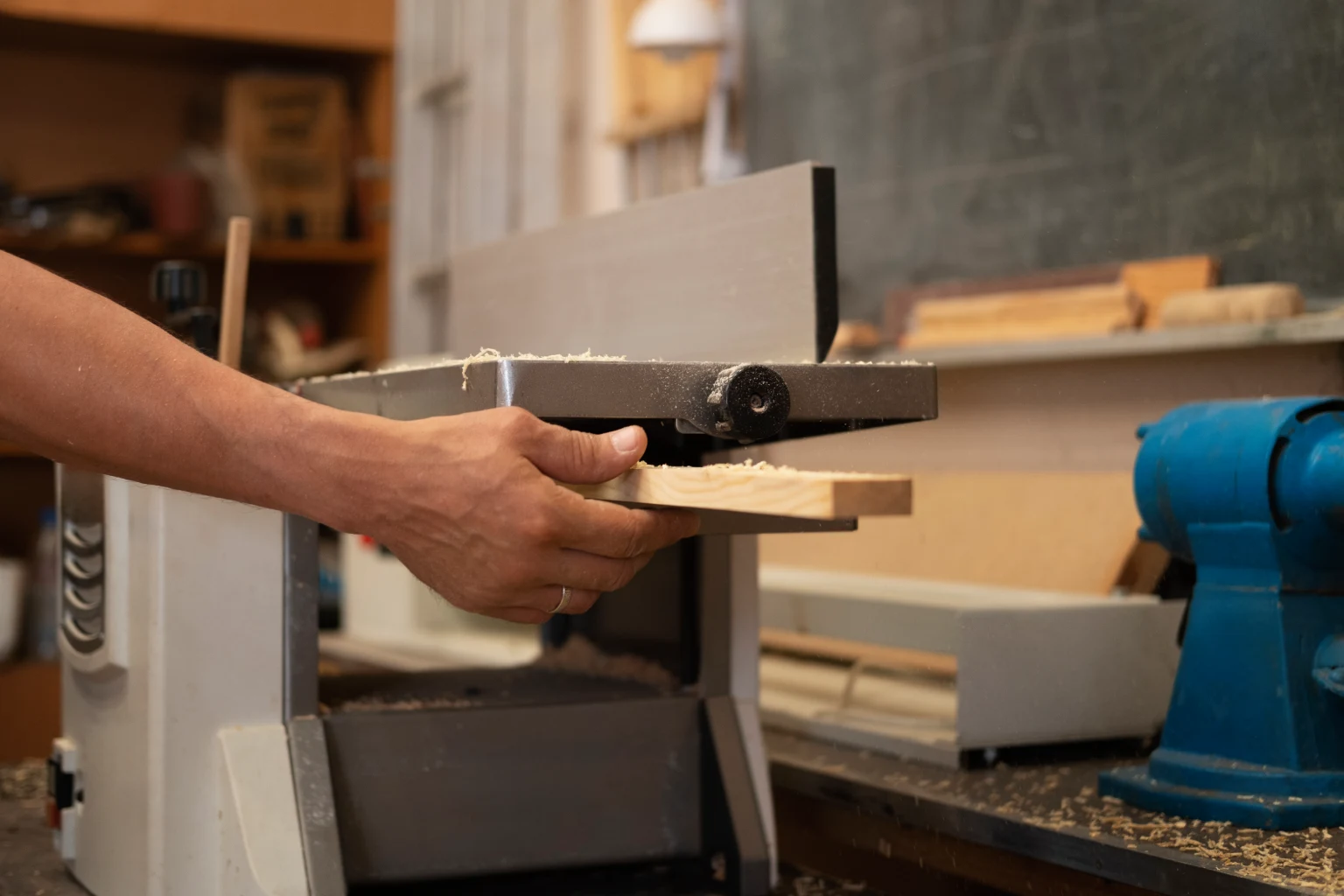
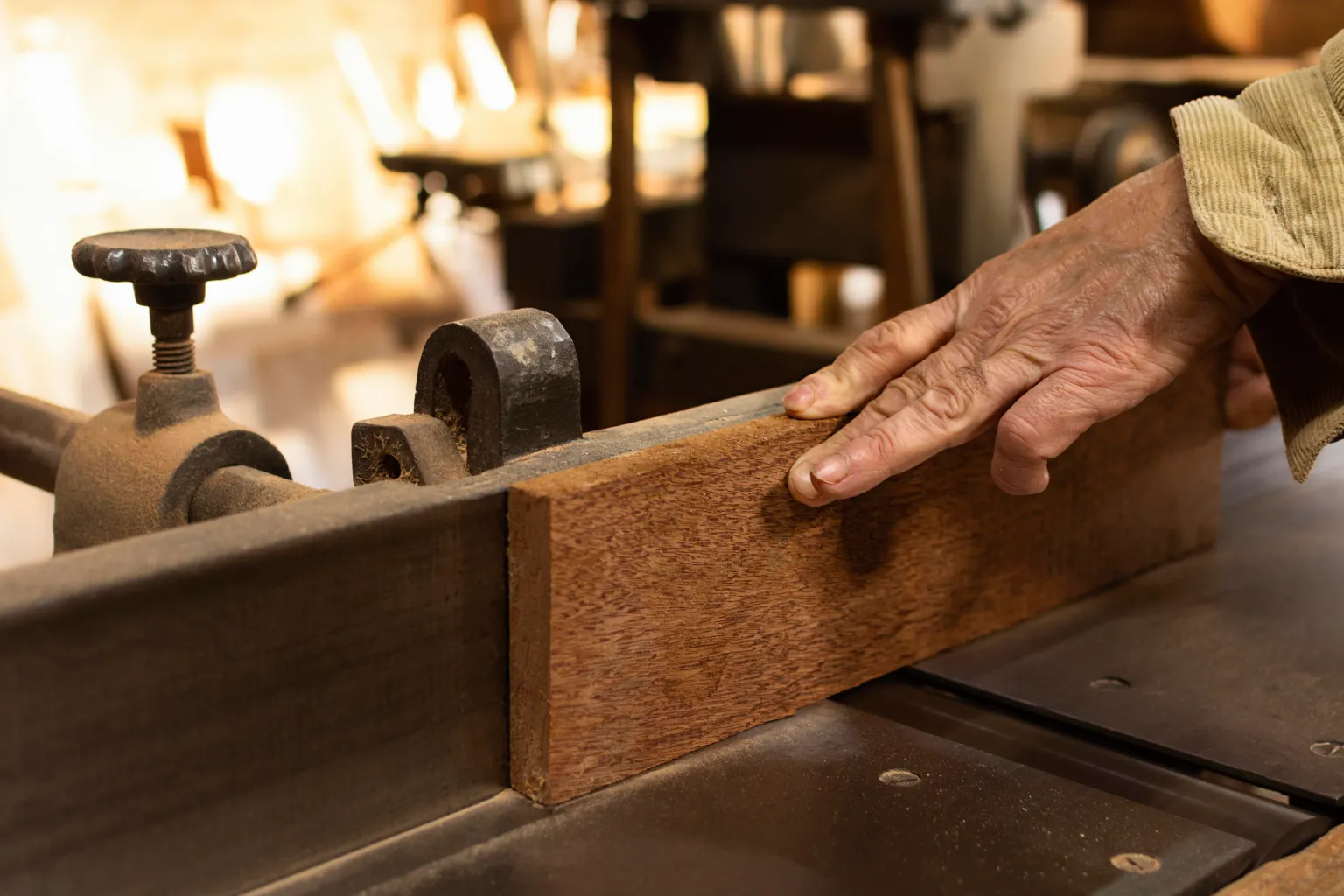
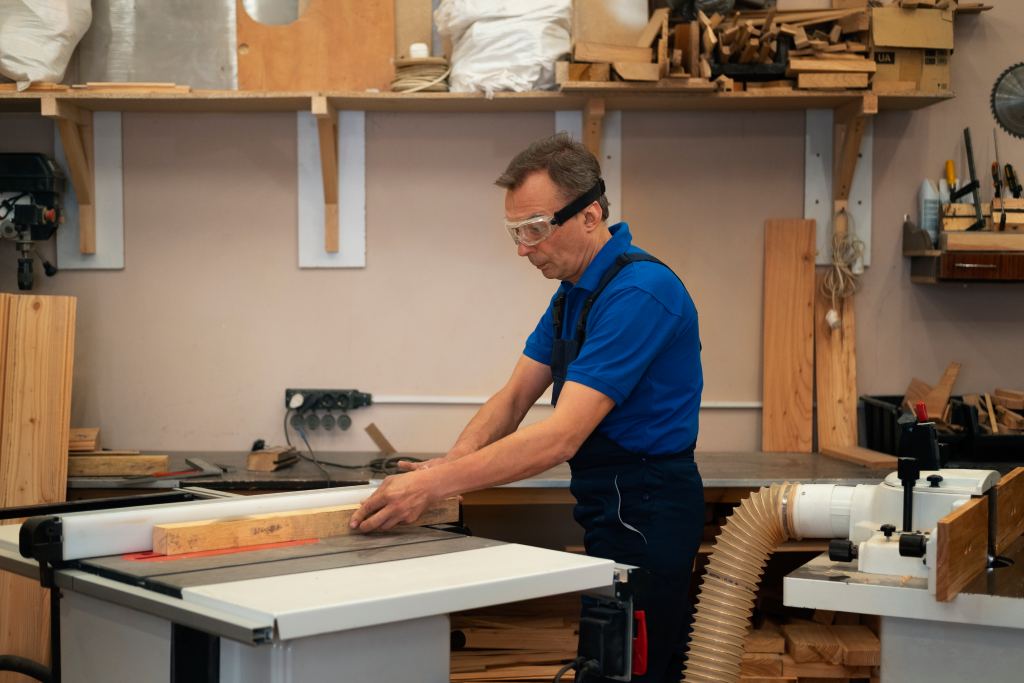
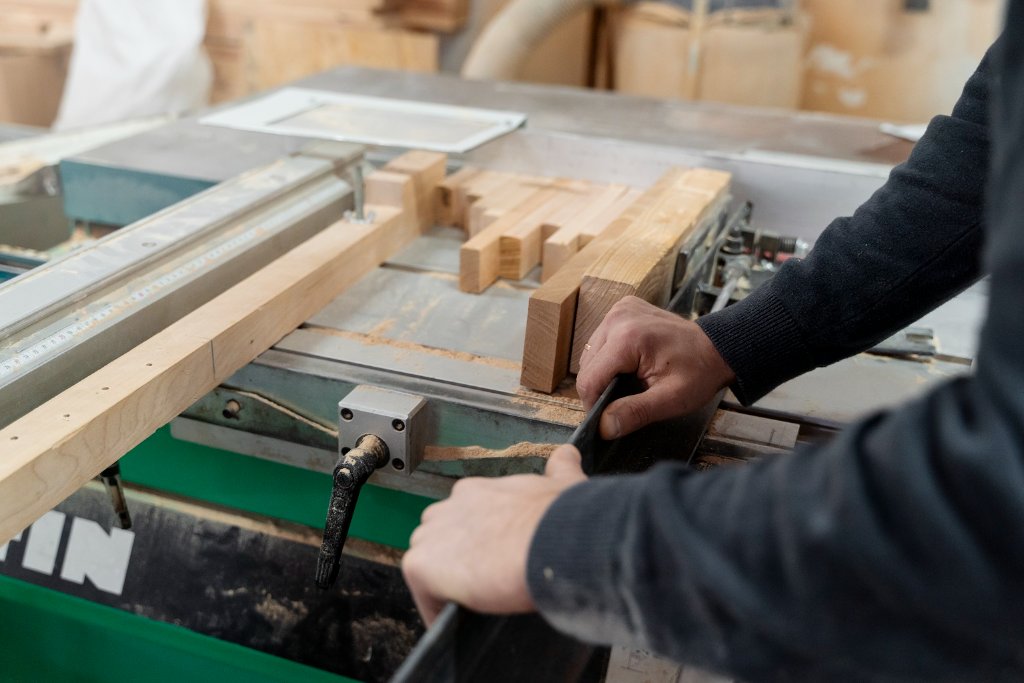
That is why manufacturing capacity and project management matter as much as craftsmanship. CNC production improves repeatability and accuracy, especially on complex or multi-unit programs, but machinery does not replace judgment. Teams still need experienced review at submittal, fabrication, finishing, packing, and install prep stages.
Field conditions are another variable. Existing walls may be out of plumb. Floor elevations may vary. Utility conflicts may appear after demolition. Store fixture fabrication has to anticipate that real-world unpredictability. Sometimes that means building in adjustability. Sometimes it means coordinating site verification at the right stage so dimensions are confirmed before material is committed.
For Texas commercial projects that span multiple markets or large-format footprints, responsiveness becomes part of the value proposition. Fabrication is not an isolated shop activity. It is one link in a delivery chain that includes approvals, production schedules, freight coordination, site readiness, and installation labor.
Choosing a fabrication partner for retail and commercial projects
If you are evaluating a partner for store fixture fabrication, portfolio images only tell part of the story. The more useful questions are operational. Can the team work from design-driven documents and carry the intent through engineering? Do they understand both one-off custom builds and repeatable production? Can they coordinate fixture installation with the realities of an active commercial site? Do they know where custom detailing adds value and where it creates avoidable risk?
It also helps to understand how the team communicates during pre-production. Sophisticated projects move more smoothly when submittals are clear, finish expectations are documented, and potential issues are raised early. Silence during fabrication is rarely a sign that everything is perfect. More often, it means decisions are being deferred until they become field problems.
For architects, designers, and contractors, the strongest partners are the ones who can speak both design and production. They understand why reveal lines matter, why brand consistency matters, and why a fixture needs to install cleanly without forcing last-minute site improvisation. That mix of aesthetic fluency and manufacturing discipline is what separates a premium fabricator from a shop that simply builds to dimension.
Einstein Millworks operates in that space, where custom millwork, fixture fabrication, and installation coordination need to function as one system rather than separate scopes.
Where the best results usually come from
The strongest fixture outcomes tend to come from early collaboration, realistic detailing, and a clear understanding of what the space needs to do after opening day. When fabrication is treated as a technical extension of the design process, retail environments look sharper, install faster, and hold up better over time.
That is the real standard for fixture work. Not whether a piece looked good in the shop, but whether it arrived ready, fit the site, supported the operation, and still carried the intended brand presence once customers walked through the door. If a fixture package can do all of that, it is doing far more than filling space.